Last Saturday, I was standing in my kitchen at 4 PM, staring at a half-empty bottle of white wine and a jug of apple cider that had been sitting in the fridge since Tuesday. My friends were arriving in two hours for a casual autumn gathering, and I had absolutely nothing planned for drinks. I was panicking. Not the “I need to buy more ice” kind of panic, but the “I look like a bad host who forgot to prepare” kind.
Then I saw the bag of apples on the counter and the jar of caramel sauce I’d bought on a whim last month. It hit me: why not combine them? I grabbed a large pitcher, dumped in the cider, the wine, some sliced apples, and a generous drizzle of caramel. I threw in a cinnamon stick for good measure. I didn’t measure anything. I just tasted, adjusted, and waited.
When my friends walked in, the first thing they did wasn’t compliment my decor. They grabbed a glass and said, “What is this? It tastes like fall in a bottle.” It was warm, it was sweet but not cloying, and it had that gorgeous, comforting apple flavor that screams autumn. That single impromptu drink became the star of the night. People kept coming back to the pitcher. By the end of the evening, we were using it to toast to everything from the changing leaves to my questionable decision to wear jeans to a party.
This fall caramel apple cider sangria isn’t just a drink; it’s a mood. It’s the liquid equivalent of a cozy blanket and a crackling fire. And the best part? It’s naturally gluten-free and incredibly easy to make. I’ve made this recipe for three different gatherings now, tweaking the ratios each time until I landed on the perfect balance of tart apple, sweet caramel, and crisp wine. It’s become my go-to for any time I need a drink that feels special but requires zero stress.
I learned that the secret to a great sangria isn’t fancy techniques—it’s letting the flavors marry. I let this sit overnight once, and the next day, it was even better. The cinnamon softened, the apples infused the liquid, and the caramel settled into a beautiful, glossy sweetness. If you’re looking for a drink that brings people together without you having to play bartender all night, this is it. It’s proof that sometimes the best recipes happen when you stop overthinking and just pour things into a pitcher.
Why You’ll Love This Fall Caramel Apple Cider Sangria
There are about ten reasons I keep making this, but here are the big ones that make it worth the trip to the store.
It’s Naturally Gluten-Free — Seriously, if you have celiac or just prefer to avoid gluten, this drink is safe. Most wines and ciders are naturally gluten-free, and since we’re not adding any weird mixers or baked goods, you don’t need to worry about cross-contamination or hidden ingredients. It’s worry-free fun.
Stupid Simple — You don’t need a cocktail shaker or a muddler. You need a pitcher, a knife, and a spoon. I’ve made this while helping my kids with their homework. Just slice the fruit, dump it in, pour the liquids, and stir. That’s it. No skill required.
Lightning Fast Prep — The actual active time is maybe 15 minutes. The rest is waiting. I can have this ready before my guests even park their cars. If you’re short on time, you can serve it immediately, but if you have an hour, let it sit. The flavor upgrade is huge.
Crowd-Pleaser — I’ve served this to my wine-snob uncle, my teenage niece who usually only drinks soda, and my gluten-free neighbor. Everyone loved it. The apple cider makes it approachable for non-wine drinkers, while the wine gives it enough kick for adults. It’s the perfect middle ground.
Makes Amazing Leftovers — Unlike cocktails that need to be made fresh, sangria actually improves with time. I deliberately make a double batch because I know I’ll want a glass the next morning (yes, really) or to have on hand for lunch. It keeps in the fridge for up to three days.
Budget-Smart — You probably already have most of these ingredients. Apple cider, white wine, and caramel sauce are pantry staples in my house. Feeds 6-8 people for under $20. That’s less than a round of drinks at a bar.
This is my go-to when I need a drink to just work. No complicated techniques, no weird ingredients, just reliable, delicious food that makes everyone happy. It’s the kind of drink that makes you feel like a pro host, even if you’re just pouring from a pitcher.
Ingredients You’ll Need
Here’s the best part: you probably have most of this already. This looks like a short list, but each ingredient plays a specific role in creating that perfect fall flavor profile. I’m particular about three things here, and I’ll tell you exactly why.
For the Base
Apple Cider (1 bottle / 750ml) — Use 100% pure apple cider, not the apple juice cocktail stuff. Look for the refrigerated kind if you can find it, or a high-quality shelf-stable one. It needs to taste like actual apples, not sugar water. This is the backbone of the drink.
Dry White Wine (1 bottle / 750ml) — I use Sauvignon Blanc or Pinot Grigio. You want something crisp and dry to balance the sweetness of the cider and caramel. A sweet wine will make this cloying. Avoid anything oaky or heavily flavored. Keep it simple.
Apple Brandy or Calvados (½ cup / 120ml) — This is the optional but recommended booster. It doubles down on the apple flavor and adds a sophisticated kick. If you don’t have it, you can skip it, or use a splash of vanilla extract for a different twist. But the brandy makes it feel like a real cocktail.
For the Flavor
Apple Caramel Sauce (½ cup / 120ml) — Yes, apple caramel. It’s usually found in the coffee syrup aisle or near the pancakes. It adds that deep, buttery sweetness that pairs perfectly with apple. If you can’t find apple caramel, regular salted caramel works too, but apple caramel ties the theme together beautifully.
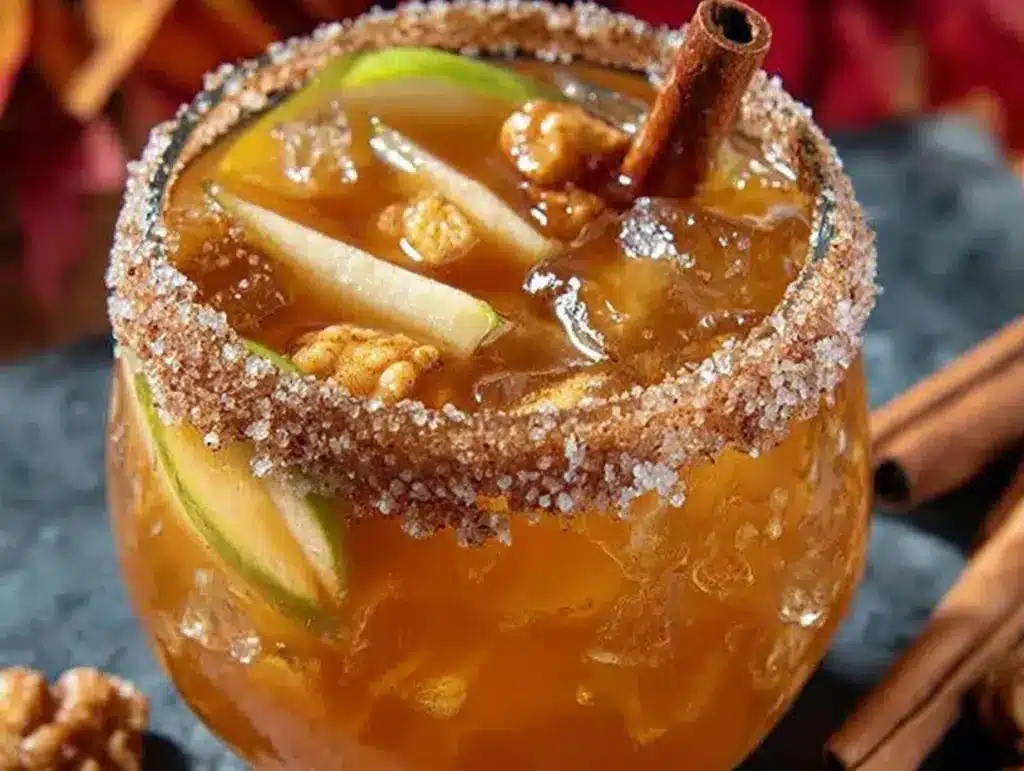
Cinnamon Sticks (3-4 sticks) — Whole sticks, not ground cinnamon. Ground cinnamon gets muddy and gritty in liquid. Whole sticks infuse the flavor slowly and look beautiful in the pitcher. I love the visual of the cinnamon sticks floating around.
Nutmeg (1 pinch) — Freshly grated if you have it, but pre-ground works. Just a tiny pinch. It adds warmth and depth without tasting like a spice cake. Too much nutmeg will overpower the apple.
For the Fruit & Garnish
Apples (2 medium, sliced) — I use a mix of Granny Smith (for tartness) and Fuji or Honeycrisp (for sweetness). Slice them into thin wedges. The skins stay on for color and texture. Don’t peel them—the skin adds a nice tannic bite.
Pears (1 medium, sliced) — Pears add a different layer of sweetness and a softer texture. They hold up well in the liquid. Anjou or Bosc pears work best. Slice them similar to the apples.
Oranges (1 medium, sliced) — Just a few slices of orange. It adds a citrusy brightness that cuts through the sweetness. Don’t overdo it; this isn’t an orange drink. Just enough to wake up the palate.
For the Cinnamon Sugar Rim
Granulated Sugar (¼ cup / 50g) — For the rim. Regular white sugar works fine. I don’t use brown sugar for the rim because it can get sticky and clumpy.
Ground Cinnamon (1 teaspoon) — Mix with the sugar. This is what gives the rim its signature fall flavor.
Lemon or Lime Wedges (for wetting the rim) — Just a few wedges to dampen the glass edge so the sugar sticks.
Personal Tips:
– I always buy the cheapest decent wine for sangria. You’re mixing it with so much else that a $15 bottle is plenty. Don’t waste your good wine here.
– I keep apple caramel sauce in my fridge year-round. It’s great for oatmeal too.
– If you’re serving kids, just make a batch with extra cider and no wine. They’ll love it.
Common Questions:
- Can I use sparkling cider? Yes, but add it right before serving. The bubbles will go flat if it sits too long.
- Where do I find apple caramel sauce? Check the coffee syrup aisle or the pancake syrup section. Brands like Torani or Monin often carry it.
- Can I make this ahead? Absolutely. The wine, cider, and fruit can sit together for up to 3 days. Add the brandy and carbonated elements (if using) just before serving.
Equipment Needed
You don’t need fancy equipment for this. Here’s what I actually use.
Large Pitcher — I use a 2-liter glass pitcher. It needs to hold all the wine, cider, fruit, and ice comfortably. Glass is nice because you can see the pretty colors, but plastic works too. Just make sure it has a lid.
Sharp Knife — For slicing apples, pears, and oranges. A serrated knife works well for the oranges if you want to avoid squeezing them.
Cutting Board — Any size works. I use a large one to fit all the fruit slices at once.
Mug or Small Bowl — For the cinnamon sugar rim. Just big enough to dip the glass edge.
Wooden Spoon or Long Stirrer — For mixing everything together. A long spoon is better so you don’t have to reach all the way to the bottom.
Glasses — Highball glasses or wine glasses work best. I like highball glasses because they hold more ice and look casual.
Optional but nice:
– Apple Slicer — If you slice apples a lot, this gadget is worth it. It cores and slices in one motion. I bought one at a garage sale for $2.
– Citrus Zester — For adding a little orange zest to the pitcher for extra aroma. I use it sometimes when I want to impress.
How to Make It: Step-by-Step
Alright, let’s make this! I’m walking you through exactly how I do it, including the little tricks I’ve picked up.
Step 1: Prep Your Fruit (10 minutes)
Wash your apples, pears, and oranges. Slice them into thin wedges. For the apples and pears, you can leave the skin on for color and texture. Remove the cores. Slice the oranges into thin rounds or half-moons. Set them aside on a plate. I usually slice them while I’m waiting for the wine to breathe, so it doesn’t add extra time.
Step 2: Mix the Base (5 minutes)
Grab your large pitcher. Pour in the entire bottle of dry white wine. Add the bottle of apple cider. If you’re using apple brandy or Calvados, add that now too. Add the apple caramel sauce. This will be thick, so you might need to spoon it in or drizzle it slowly. Add the cinnamon sticks and the pinch of nutmeg. Stir everything together gently. You want to dissolve the caramel as much as possible, but it doesn’t need to be completely smooth yet.
Step 3: Add the Fruit (2 minutes)
Add the sliced apples, pears, and oranges to the pitcher. Push them down into the liquid so they’re submerged. The fruit will float if you don’t push it down, and you want it to infuse. Add the cinnamon sticks if you didn’t add them in step 2. Give it one more gentle stir. This is where the magic starts. The fruit will begin to release its juices into the wine and cider.
Step 4: Let It Marinate (30 minutes to 24 hours)
Cover the pitcher with plastic wrap or a lid and refrigerate. This is the most important step. Let it sit for at least 30 minutes if you’re in a rush, but ideally, let it sit for 2-4 hours, or even overnight. The longer it sits, the more flavorful it gets. The cinnamon will soften, the apples will absorb the liquid, and the flavors will meld. I usually make this the morning of the party or the night before.
Step 5: Prepare the Glasses (2 minutes)
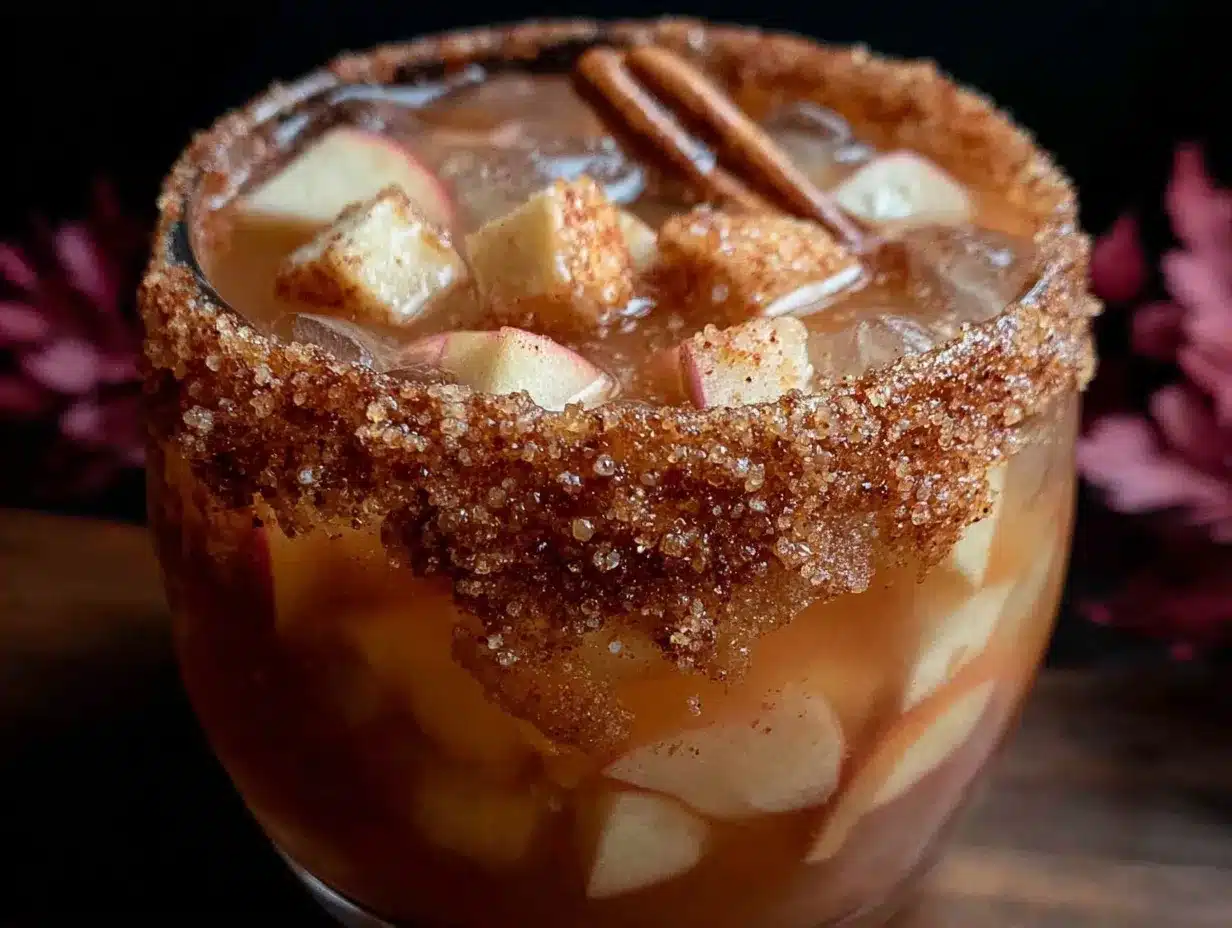
Before serving, prepare your glasses for the cinnamon sugar rim. Mix the granulated sugar and ground cinnamon in a small mug or bowl. Take a lemon or lime wedge and run it around the rim of each glass to dampen it. Dip the rim into the cinnamon sugar mixture, twisting gently to coat. Tap off any excess. This rim adds a spicy, sweet crunch that contrasts perfectly with the smooth liquid.
Step 6: Serve
Give the sangria one final stir. The fruit may have floated to the top. Ladle the sangria into the prepared glasses, making sure to get some fruit in each serving. Add a few ice cubes to each glass if you like it cold. Garnish with a fresh apple slice or a cinnamon stick. Serve immediately. The best part? You can just keep the pitcher on the table and let guests help themselves. No bartending required.
Visual/Sensory Cues:
– The liquid should be a beautiful golden-amber color, with the cinnamon sticks floating like little flags.
– The fruit will look plump and juicy, having absorbed some of the liquid.
– The rim of the glass should have a delicate, even coating of cinnamon sugar, not clumps.
Expert Tips & Tricks
Here’s everything I’ve learned from making this dozens of times. These tips will save you from my mistakes.
Don’t Skimp on the Wine Quality
You don’t need expensive wine, but don’t use the cheapest swill. A $10-15 bottle of Sauvignon Blanc or Pinot Grigio is perfect. If the wine tastes bad on its own, it’ll taste worse in the sangria. I’ve learned this the hard way with a bottle that tasted like vinegar.
Use Whole Cinnamon Sticks
Ground cinnamon will make your sangria gritty and muddy. It’s unpleasant to drink. Whole sticks infuse the flavor slowly and look elegant. I always keep a jar of sticks in my spice cabinet for this exact reason.
Balance the Sweetness
Apple cider can be very sweet. If your cider is extra sweet, reduce the amount of caramel sauce or add a splash of lemon juice to balance it. Taste it before you add the brandy. You want it to be sweet but not syrupy. A little tartness goes a long way.
Chill Everything
Make sure your wine, cider, and fruit are cold before mixing. If you’re in a hurry, you can put the pitcher in the freezer for 20 minutes, but don’t leave it too long or the liquid will get slushy. Cold sangria is refreshing; warm sangria is weird.
Common Mistakes (and how to avoid them):
Mistake: Sangria is too sweet
Fix: Add more dry wine or a splash of sparkling water. You can also add more sliced apples, which are tart, to balance it out.
Mistake: Sangria is too strong
Fix: Add more apple cider or sparkling water. The brandy is potent, so start with less if you’re sensitive to alcohol.
Mistake: Fruit is mushy
Fix: Don’t let the sangria sit for more than 3 days. The fruit will break down and turn the drink cloudy. Make it fresh for the best texture.
Pro Tricks I’ve Learned:
For Extra Flavor
Add a few cloves or a star anise pod to the pitcher. It adds a subtle, complex warmth that pairs beautifully with apple. I only do this for special gatherings.
For Better Texture
Use fresh fruit, not canned. Canned fruit is too soft and has a weird syrupy taste. Fresh fruit holds its shape and tastes vibrant.
Make-Ahead Strategy
You can make the base (wine, cider, brandy, caramel) up to 2 days ahead. Add the fruit the day of serving to keep it fresh. This saves you time on the day of the party.
Variations & Substitutions
Once you’ve nailed the basic version, here’s how you can mix it up. I’ve tried all of these.
Rosé Version
Swap the white wine for a dry Rosé. It gives a pinker color and a slightly fruitier flavor. Great for spring, but works in fall too if you add extra cinnamon.
Red Wine Version
Use a light red wine like Pinot Noir. It makes a deeper, richer drink. Add orange slices instead of apples. This is more traditional sangria, but the apple cider still works surprisingly well.
Non-Alcoholic Version
Skip the wine and brandy. Use extra apple cider and add a splash of sparkling water or ginger ale for fizz. Add a teaspoon of vanilla extract to replace the depth of the alcohol. Kids and non-drinkers will love this.
Spicy Version
Add a slice of fresh jalapeño or a pinch of cayenne pepper. It sounds weird, but the heat contrasts with the sweet caramel. Great for a unique twist.
Dietary Modifications:
Gluten-Free
This recipe is naturally gluten-free. Just ensure your wine and cider are certified gluten-free if you have celiac (most are, but check labels).
Dairy-Free
This recipe is naturally dairy-free. No milk, cream, or butter involved.
Lower-Sugar
Use unsweetened apple cider (hard to find, but exists) and reduce the caramel sauce to ¼ cup. Add more fruit for natural sweetness.
Vegan
This recipe is naturally vegan. Wine and cider are typically vegan, but check labels if you’re strict (some wines use animal-derived fining agents).
Serving & Storage
How to Serve:
I usually serve this straight from the pitcher at the dinner table. It looks rustic and stays cold. But here are other ways I’ve enjoyed it:
Side Dishes:
– Roasted butternut squash soup (perfect fall pairing)
– Pumpkin bread (for dipping or snacking)
– Simple green salad with vinaigrette
– Charcuterie board with cheeses and crackers
Toppings Bar:
When I have guests, I put out: extra apple slices, cinnamon sticks, and a small bowl of cinnamon sugar for dipping. Everyone customizes their experience.
Wine Pairing:
Not a wine expert, but my wine-snob friend says a crisp Sauvignon Blanc or a light Pinot Grigio works best. Avoid heavy, oaky wines.
Storage Instructions:
Refrigerator:
Store in an airtight pitcher for up to 3 days. The fruit will soften, and the flavors will intensify. It actually tastes better on day two.
Reheating:
Never reheat sangria. It’s a cold drink. If you want it warm, make a mulled cider instead.
Freezing:
Don’t freeze sangria. The fruit will turn to mush, and the texture will be weird. Make it fresh.
Pro tip: If the sangria gets too strong as the fruit releases water, add a splash of cold apple cider or sparkling water before serving.
Nutrition Information
I’m not a nutritionist, but here’s the breakdown if you’re tracking.
Per Serving (based on 6 servings, 1 cup each):
– Calories: 180
– Protein: 1g
– Carbs: 22g
– Fiber: 1g
– Sugar: 18g
– Fat: 0g
– Sodium: 5mg
– Alcohol: ~12% ABV (varies by wine)
What’s Good:
– Naturally gluten-free and dairy-free
– Contains some vitamin C from the fruit
– Lower in calories than many cocktails
What to Know:
– Higher in sugar from the cider and caramel
– Contains alcohol
– Moderate calories, but easy to overdrink because it tastes like juice
My Take:
Look, this is a treat. It’s sweet, it’s boozy, and it’s delicious. It’s not a health food. But it’s way better than store-bought cocktails, and it’s easy to control portions. When I want to make it lighter, I use less caramel and more sparkling water. But usually? I just enjoy a glass or two and let the good times roll.
Final Thoughts
So that’s my go-to fall caramel apple cider sangria! I’ve probably talked your ear off at this point, but when you make a recipe this often, you have a lot to say about it.
This has saved my gatherings more times than I can count. It’s my answer to “what should I serve for drinks?” when I’m tired, don’t want to buy fancy mixers, and still want something that tastes really good. My friends are happy, my family is happy, and I’m happy because I’m not stressed about making individual cocktails.
Make it yours! Try different fruits, swap the wine for something else, adjust the caramel. The best recipes are the ones you adapt to your tastes. If you make this, drop a comment and let me know what you think! I love hearing how recipes turn out in your kitchen. And if something doesn’t work, tell me that too—I’m here to help troubleshoot.
Happy sipping! And I hope your gathering feels as cozy and delicious as mine did.
Frequently Asked Questions
Can I use sparkling cider instead of still cider?
You can, but add it right before serving. The bubbles will go flat if the sangria sits for too long. If you want fizz, add sparkling water or ginger ale at the table. I prefer still cider for the base because it allows the flavors to meld without losing carbonation.
Why did my sangria turn out too sweet?
Apple cider and caramel are both very sweet. If your sangria is too sweet, add more dry wine or a splash of lemon juice to balance it. You can also add more tart apples, like Granny Smith, to counteract the sweetness. Taste as you go!
Can I make this ahead for a party?
Absolutely. This is actually better made ahead. Mix the wine, cider, brandy, and caramel up to 2 days in advance. Add the fruit the day of serving to keep it fresh. This saves you time on the day of the party. Just refrigerate until ready to serve.
Why did my fruit get mushy?
If you let the sangria sit for more than 3 days, the fruit will break down and become mushy. The alcohol and acid start to break down the cell walls of the fruit. For the best texture, serve within 2-3 days. If you’re making it for a party, add the fruit the night before.
Can I use red wine instead of white wine?
Yes, but it will change the flavor profile. Red wine will make the sangria darker and more robust. It’s more traditional, but the apple cider still works well. I prefer white wine for a lighter, fresher taste, but red is a great option if you like bolder flavors.
How do I make this non-alcoholic?
Simply omit the wine and brandy. Replace them with extra apple cider and a splash of vanilla extract for depth. You can also add sparkling water or ginger ale for fizz. It’s still delicious and festive, just without the alcohol.
Can I freeze this sangria?
No, don’t freeze it. The fruit will turn to mush, and the texture will be weird. Sangria is best served fresh or chilled in the refrigerator. If you have leftovers, store them in the fridge for up to 3 days.
Pin This Recipe!
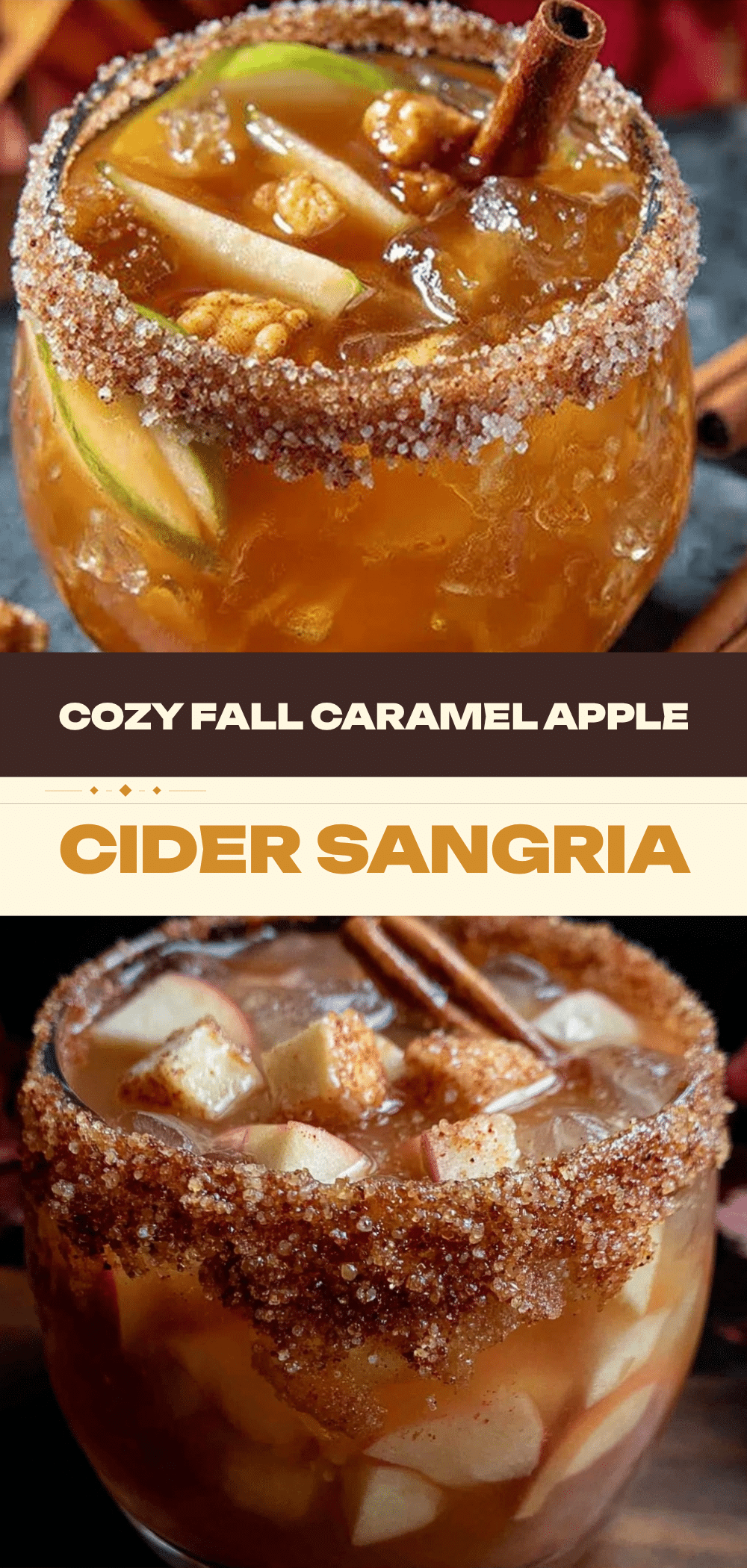

Fall Caramel Apple Cider Sangria: Easy Gluten-Free Recipe
- Total Time: 15 minutes
- Yield: 6 servings 1x
Description
A naturally gluten-free, crowd-pleasing sangria that combines dry white wine, apple cider, and caramel sauce with fresh fruit and cinnamon. It’s easy to make, improves with time, and captures the cozy flavors of autumn.
Ingredients
- 1 bottle (750ml) dry white wine (Sauvignon Blanc or Pinot Grigio)
- 1 bottle (750ml) 100% pure apple cider
- 1/2 cup (120ml) apple brandy or Calvados (optional)
- 1/2 cup (120ml) apple caramel sauce
- 3–4 cinnamon sticks
- 1 pinch nutmeg (freshly grated or pre-ground)
- 2 medium apples (mix of Granny Smith and Fuji/Honeycrisp), sliced into wedges
- 1 medium pear (Anjou or Bosc), sliced
- 1 medium orange, sliced
- 1/4 cup (50g) granulated sugar (for rim)
- 1 teaspoon ground cinnamon (for rim)
- Lemon or lime wedges (for wetting rim)
Instructions
- Wash and slice apples, pears, and oranges into thin wedges or rounds. Set aside.
- In a large 2-liter pitcher, combine the dry white wine, apple cider, apple brandy (if using), and apple caramel sauce.
- Add the cinnamon sticks and pinch of nutmeg to the pitcher.
- Stir gently to dissolve the caramel sauce as much as possible.
- Add the sliced fruit to the pitcher, pushing them down to submerge them in the liquid.
- Stir one more time, then cover the pitcher and refrigerate for at least 30 minutes, ideally 2-4 hours or overnight.
- Mix the granulated sugar and ground cinnamon in a small bowl.
- Wet the rims of serving glasses with lemon or lime wedges, then dip them into the cinnamon sugar mixture to coat.
- Give the sangria a final stir before serving.
- Ladle the sangria into prepared glasses, ensuring each serving gets some fruit.
- Add ice cubes if desired, garnish with a fresh apple slice or cinnamon stick, and serve immediately.
Notes
For best flavor, let the sangria marinate for at least 2 hours or overnight. The fruit will soften after 3 days, so consume within that timeframe. If the sangria becomes too sweet, add more dry wine or a splash of lemon juice. If too strong, add more cider or sparkling water. Do not freeze, as the fruit texture will suffer.
- Prep Time: 15 minutes
- Cook Time: 0 minutes
- Category: Beverage
- Cuisine: American
Nutrition
- Serving Size: 1 cup
- Calories: 180
- Sugar: 18
- Sodium: 5
- Carbohydrates: 22
- Fiber: 1
- Protein: 1
Keywords: fall sangria, caramel apple cider, gluten-free cocktail, autumn drinks, white wine sangria, easy party drinks, seasonal recipes