I was staring at a bag of potatoes that cost less than two dollars, wondering if I could make something that didn’t taste like sadness. It was early October, the air was getting crisp, and my bank account was doing that nervous dance it does before payday. I didn’t want another sad ham sandwich. I wanted something warm, something with a little kick, and definitely something that didn’t require me to buy a whole jar of artisanal ingredients I’d use once and then forget about.
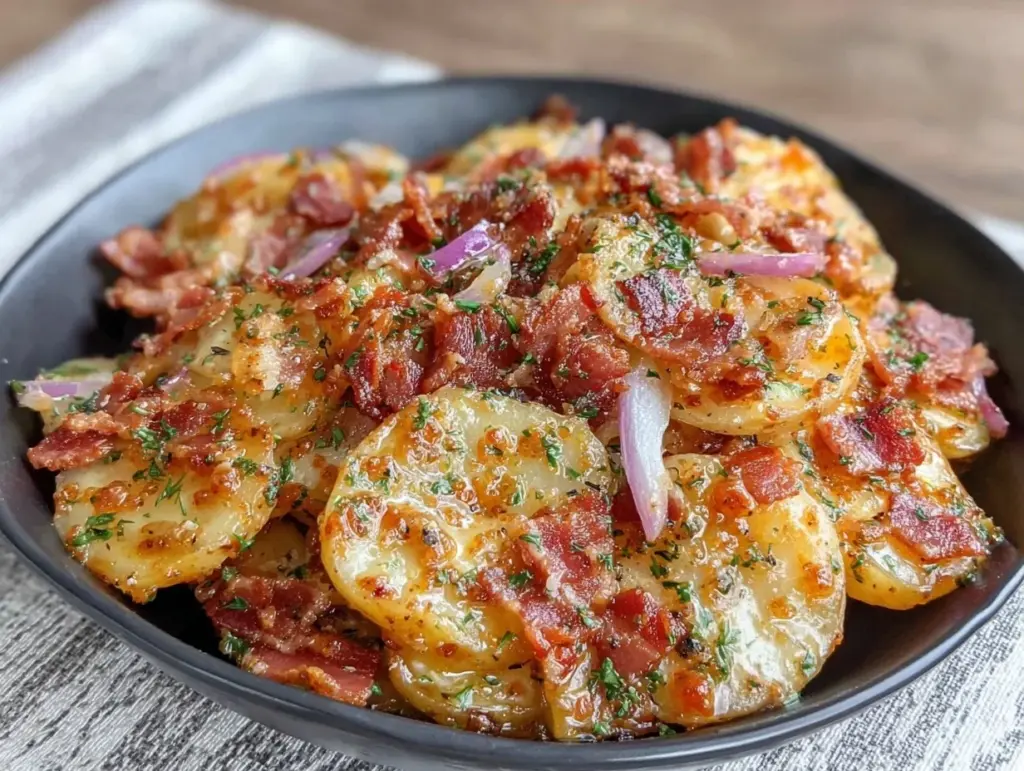
That’s how I stumbled into making this Oktoberfest German Potato Salad. It’s not the mayo-heavy, sweet pickle version you might find at a summer barbecue. This is the real deal—warm, tangy, bacon-laden, and dressed in a mustard vinaigrette that smells like autumn the second it hits the pan.
I’ve made this single-serving version so many times that I can probably do it with my eyes closed. And honestly? It’s become my go-to comfort food when I need dinner to just work. It’s budget-friendly, it’s filling, and it tastes like I spent more time (and money) than I actually did. If you’re cooking for one and trying to keep your grocery bill from spiraling, this is the recipe you need to know.
Why You’ll Love This Budget-Friendly German Potato Salad
There’s a reason I keep coming back to this warm potato salad. It’s not just about saving money, though that’s definitely a huge bonus. It’s about the flavor profile that feels fancy but costs pennies. Here’s why this dish has earned a permanent spot in my weekly rotation:
- Incredibly Cheap Per Serving — Seriously. Potatoes, bacon, onion, mustard, and vinegar. That’s it. You’re looking at well under $2 per serving if you buy store-brand ingredients. It’s cheaper than a fast-food side, and honestly, way more satisfying.
- Warm Comfort in a Bowl — Most potato salads are cold. This one is served warm, right after the vinaigrette is poured over it. The heat helps the potatoes absorb that tangy, savory dressing. It feels like a hug on a plate, perfect for those chilly October evenings.
- Uses Up Leftovers — I often make extra bacon from my breakfast sandwich with fried egg and crispy bacon and use the leftover crumbles here. It’s a brilliant way to stretch your meat budget. One trip to the store, two meals. That’s smart cooking.
- Zero Fancy Equipment Needed — You don’t need a fancy salad spinner or a set of measuring spoons (though they help). You need a skillet, a pot, and a fork. If you can boil water and fry bacon, you can make this.
- Meal Prep Friendly — While best served warm, this salad actually tastes great cold the next day too. The flavors meld together overnight. I make a batch on Sunday and eat it for lunch three days in a row. It’s my secret weapon for budget meal prep.
This is my answer to “what’s for dinner” when I’m tired and broke. No stress, no weird ingredients, just reliable, delicious food that makes me feel like I’m treating myself without wrecking my wallet.
Ingredients You’ll Need (The Budget Breakdown)
Here’s the best part: you probably have most of this already. The ingredient list is short, simple, and designed to not wreck your grocery budget. I’m particular about a few things here, but mostly, it’s about using what’s cheap and what’s good.
For the Salad Base
Yukon Gold or Red Potatoes (1 medium, about 1 lb / 450g) — I use Yukon Golds because they’re waxy enough to hold their shape when warm but buttery enough to feel luxurious. Red potatoes work too. Avoid Russets here—they’ll turn to mush. Buy the 5-pound bag; it’s the cheapest per pound and you can freeze extras or use them later.
Bacon (4-5 slices / about 100g) — This is your flavor powerhouse. I don’t skimp. Thick-cut is nice, but regular works if you’re watching every penny. The rendered fat is liquid gold for this recipe. If you’re short on cash, check the clearance rack for bacon—it’s often marked down.
Yellow Onion (1 small, finely diced / about 100g) — Sweet onions work, but yellow gives that sharp, savory depth I love. White onions are too pungent raw. Dice it small so you get a bit in every bite.
Apple Cider Vinegar (3 tablespoons / 45ml) — This is non-negotiable. It gives that classic Oktoberfest tang. Don’t use white vinegar; it’s too harsh. Apple cider vinegar is cheap and fits the fall theme perfectly. I keep a bottle in my pantry specifically for this.
Whole Grain Mustard (2 tablespoons / 30g) — Or Dijon if you can’t find whole grain. Mustard provides the tangy backbone. Look for store-brand; it tastes 95% as good as the fancy stuff and costs half the price.
For the Warm Vinaigrette
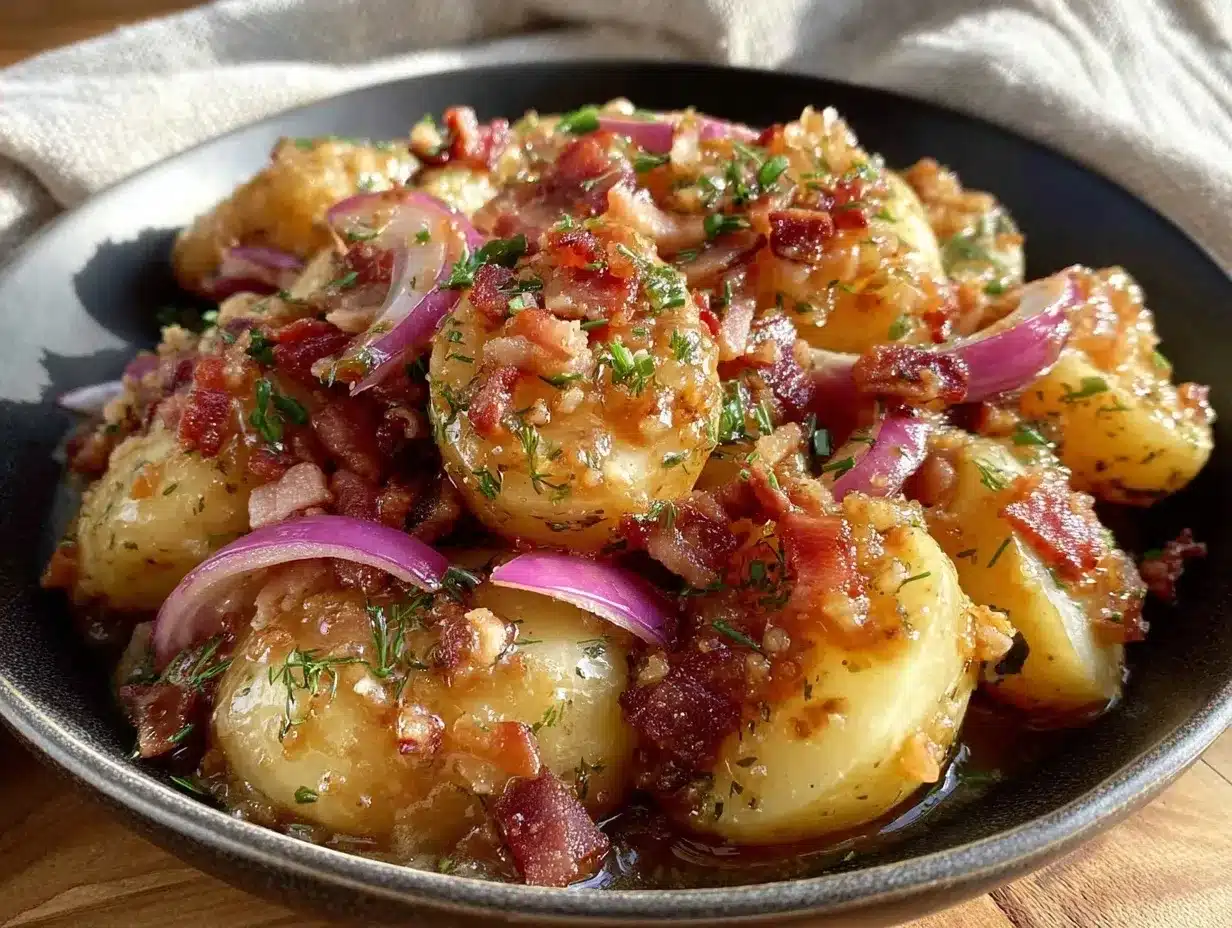
Chicken Broth (1/4 cup / 60ml) — Low-sodium is best so you control the salt. If you don’t have broth, water with a bouillon cube works. I usually make this with what I have, and water is fine in a pinch.
Vegetable Oil or Bacon Fat (1 tablespoon) — I use the bacon fat I rendered earlier! It adds so much flavor. If you don’t have enough, use a neutral oil like canola or vegetable. Olive oil works but changes the flavor profile slightly.
Sugar (1 teaspoon) — Just a pinch to balance the acidity of the vinegar and mustard. Don’t skip it; it rounds out the sharp edges.
Dried Thyme (1/2 teaspoon) — Or 1 teaspoon fresh if you have it. Thyme pairs beautifully with potatoes and bacon. It’s an herb that’s cheap in bulk and lasts forever.
Salt and Black Pepper — To taste. I use about 1/2 teaspoon salt total, but adjust based on your bacon’s saltiness.
Optional Add-ins:
Chives or Green Onions (2 tablespoons, chopped) — For a fresh pop at the end. I buy a small bunch; it lasts weeks in the fridge.
Equipment Needed
You don’t need fancy equipment for this. Here’s what I actually use:
Medium Saucepan — I use a 2-quart pot. Needs to fit the potatoes comfortably. My old aluminum pot works fine; doesn’t need to be fancy.
Large Skillet — 10-inch works best for frying the bacon and onions. I prefer cast iron because it holds heat well, but stainless steel or non-stick works too.
Wooden Spoon — For stirring the vinaigrette. Silicone works too. Don’t use metal if you’re using non-stick.
Colander — For draining the potatoes. Or just tilt the pot carefully—I do this when I’m being lazy.
Small Bowl — For mixing the vinaigrette ingredients before heating.
Fork or Knife — To test if potatoes are tender. If it slides in easily, they’re done.
Measuring Spoons — Pretty standard stuff. Dollar store versions work fine.
How to Make It: Step-by-Step
Alright, let’s make this! I’m walking you through exactly how I do it, including the little tricks I’ve picked up over the years.
Step 1: Prep the Potatoes (5 minutes)
Wash the potatoes thoroughly. I leave the skins on for extra fiber and texture, but peel them if you prefer. Cut them into uniform 1-inch cubes. Uniformity is key—they need to cook at the same rate. If you have one big chunk and one tiny piece, the tiny one will disintegrate before the big one is cooked.
Step 2: Boil the Potatoes (12-15 minutes)
Place the potato cubes in your saucepan and cover with cold water by about an inch. Add a generous pinch of salt—the water should taste slightly salty. Bring to a boil, then reduce to a simmer. Cook until the potatoes are fork-tender but not mushy. This usually takes 12-15 minutes. Drain them in a colander and let them steam dry for a minute. Don’t rinse them with cold water; you want them warm to absorb the dressing.
Step 3: Fry the Bacon (5 minutes)
While the potatoes boil, chop the bacon into small, bite-sized pieces. Add them to your skillet over medium heat. Cook until crispy, stirring occasionally. This renders out the fat, which is crucial for the vinaigrette. Once crispy, remove the bacon with a slotted spoon and set it aside on a paper towel. Leave the fat in the pan.
Step 4: Sauté the Onions (3 minutes)
In the same skillet with the bacon fat, add the diced onion. Cook over medium-low heat for 3-4 minutes until soft and translucent. Don’t brown them too much; you want them sweet and soft, not crispy. If the pan looks too dry, add a tiny splash of oil, but there should be plenty of bacon fat.
Step 5: Make the Warm Vinaigrette (2 minutes)
Reduce the heat to low. Whisk together the apple cider vinegar, whole grain mustard, sugar, thyme, salt, and pepper in a small bowl. Pour this mixture into the skillet with the onions and bacon fat. Let it simmer for 1 minute, stirring constantly. The sugar will dissolve, and the mixture will bubble gently. This creates that warm, tangy sauce.
Step 6: Combine and Rest (5 minutes)
Transfer the warm, drained potatoes into the skillet. Gently toss them with the vinaigrette until every cube is coated. The heat from the potatoes will help them absorb the dressing. Sprinkle the crispy bacon back in. Let everything sit for 5 minutes. This resting time is crucial—it allows the flavors to meld and the potatoes to soak up that delicious sauce.
Step 7: Serve
Serve immediately while warm. Top with fresh chives or green onions if you have them. This is best eaten straight from the skillet, maybe with a slice of crusty bread to soak up the last bits of dressing.
Total Time: About 30 minutes (15 minutes active, 15 minutes mostly hands-off)
Expert Tips & Tricks
Here’s everything I’ve learned from making this dozens of times. These tips will save you from my mistakes.
Don’t Rinse the Potatoes
I know it feels weird, but don’t rinse the boiled potatoes with cold water. You want them hot so they absorb the warm vinaigrette. Cold potatoes shock the starch and make them reject the dressing. Just drain and let them steam dry.
Use the Bacon Fat
That rendered bacon fat is liquid gold. It adds a smoky, savory depth that oil just can’t match. If you’re using a lot of bacon, you might have too much fat. Spoon out some, but leave enough to cook the onions. It makes the salad taste rich without adding heavy cream.
Balance the Tang
German potato salad is supposed to be tangy. If you taste the vinaigrette and it’s too sharp, add a tiny pinch more sugar. If it’s too sweet, add a splash more vinegar. Taste as you go. This is your salad, so make it balance for your palate.
Make It Ahead (Sort Of)
You can prep the potatoes and bacon ahead of time. Boil the potatoes, let them cool, and store in the fridge. Cook the bacon and store separately. When you’re ready to eat, just reheat the potatoes in the microwave or a pan, then follow the vinaigrette steps. It saves time on busy weeknights.
Leftover Bacon Hack
If you make my creamy ground beef stroganoff earlier in the week, you might have leftover bacon from another meal. Use it here! It’s a great way to use up small amounts of meat without buying more.
Variations & Substitutions
Once you’ve nailed the basic version, here’s how you can mix it up. I’ve tried all of these.
Vegetarian Version
Skip the bacon and use butter or oil to cook the onions. Add 1/4 cup of chopped mushrooms to the skillet with the onions for a savory, meaty texture. It’s not the same, but it’s still delicious.
Spicy Kick
Add a pinch of cayenne pepper or a diced jalapeño to the vinaigrette. It adds a nice heat that cuts through the richness. I do this when I want something with a bit more punch.
Herb-Forward
Add 1/4 cup of fresh parsley or dill at the end. It brightens up the dish and adds a fresh contrast to the warm, tangy potatoes. I love this version in the summer, but it works in fall too.
Gluten-Free
This recipe is naturally gluten-free! Just make sure your mustard and bacon are certified gluten-free (some processed meats have hidden gluten). It’s a safe bet for most brands.
Low-Carb
Swap the potatoes for cauliflower florets. Steam the cauliflower until tender, then follow the same steps. It’s lighter and lower in carbs. I won’t lie—it’s not the same texture, but it works if you’re watching your intake.
Serving & Storage
How to Serve
I usually serve this straight from the skillet at the dinner table—it looks rustic and stays warm. But here are other ways I’ve enjoyed it:
- With Sausage — Serve alongside a simple pork sausage or bratwurst for a full Oktoberfest meal.
- As a Side — Pairs perfectly with grilled chicken or roasted pork chops. I often make this alongside my apple cider braised pork chops for a complete budget-friendly dinner.
- With Bread — A slice of crusty rye or sourdough bread is essential for soaking up the leftover dressing.
Storage Instructions
Refrigerator: Store in an airtight container for up to 3 days. The potatoes will absorb more dressing as they sit, so they might look drier. That’s normal.
Reheating: Best method: Add to a skillet with a splash of water or broth over low heat. Stir until heated through and creamy again. Microwave method: Heat in 30-second intervals, stirring between. Add a splash of water if it’s too thick. It won’t be as warm and fresh-tasting as day one, but it’s still good.
Freezing: Honestly, this doesn’t freeze well. The potatoes can become grainy and mushy when thawed. Make it fresh or store in the fridge for up to 3 days.
Nutrition Information
I’m not a nutritionist, but here’s the breakdown if you’re tracking. This is per serving (based on 4 servings).
- Calories: 280
- Protein: 8g
- Carbs: 32g
- Fiber: 3g
- Sugar: 2g
- Fat: 14g
- Sodium: 450mg
What’s Good: Decent fiber from the potatoes and skins. The bacon adds protein and flavor. It’s filling without being overly heavy.
What to Know: Higher in sodium due to bacon and mustard. Use low-sodium broth and less salt if you’re watching your intake. The fat comes from bacon and oil, so it’s not low-fat, but it’s reasonable for a comfort food.
My Take: Look, this is comfort food. It’s not a diet recipe. But it’s way better than takeout, costs less, and I know exactly what’s in it. When I want to make it lighter, I use less bacon and add more onions. But usually? I just eat a reasonable portion and enjoy it.
Final Thoughts
So that’s my go-to Oktoberfest German Potato Salad! I’ve probably talked your ear off at this point, but when you make a recipe this often, you have a lot to say about it.
This has saved weeknight dinners more times than I can count. It’s my answer to “what’s for dinner” when I’m tired, don’t want takeout, and still want something that tastes really good. It’s cheap, it’s delicious, and it feels like a treat even when I’m on a budget.
Make it yours! Try different herbs, adjust the mustard, or add more bacon (why not?). The best recipes are the ones you adapt to your tastes. If you make this, drop a comment and let me know what you think! I love hearing how recipes turn out in your kitchen. And if something doesn’t work, tell me that too—I’m here to help troubleshoot.
Happy cooking! And I hope your kitchen smells half as good as mine does right now.
Frequently Asked Questions
Can I use sweet potatoes instead of regular potatoes?
You can, but they have a different texture and sweetness level. Sweet potatoes are softer and sweeter, so you might want to reduce the sugar in the vinaigrette. Yukon Golds are best for that waxy, firm texture that holds up well with warm dressing. If you use sweet potatoes, cook them a bit longer as they can be denser.
Why is my vinaigrette too thin?
Usually means you didn’t simmer it long enough, or you used too much vinegar. Let the mixture bubble gently for a full minute to reduce slightly. The starch from the potatoes will also help thicken it once combined. If it’s still too thin, add a teaspoon of mustard or a pinch of flour whisked into the vinegar before heating.
Can I make this ahead for a dinner party?
Sort of. You can prep the potatoes and bacon up to 2 days ahead. But the salad is best served warm. Reheat the potatoes and make the vinaigrette fresh right before serving. It won’t be quite as good as fresh, but it’s close and saves you stress during the party. I do this all the time.
Can I use white vinegar instead of apple cider vinegar?
You can, but the flavor will be sharper and less complex. Apple cider vinegar has a fruity sweetness that pairs beautifully with bacon and mustard. If you must use white vinegar, add a tiny pinch more sugar to balance the acidity. But honestly, apple cider vinegar is cheap and worth it for the flavor.
How do I reheat leftovers without it getting dry?
Add a splash of water or broth to a skillet, add your leftover salad, and heat gently over low heat, stirring frequently. The extra liquid brings back the moisture. Microwave sort of works but tends to dry it out. If you do microwave, definitely add a splash of water first and heat in short bursts, stirring between.
Can I double this recipe?
Absolutely! Double everything and use your biggest pot and skillet. The cooking times stay the same. I do this when I’m meal-prepping or feeding a crowd. Just make sure your skillet is big enough for the sauce—you might need to use two pans or a very large skillet.
Pin This Recipe!
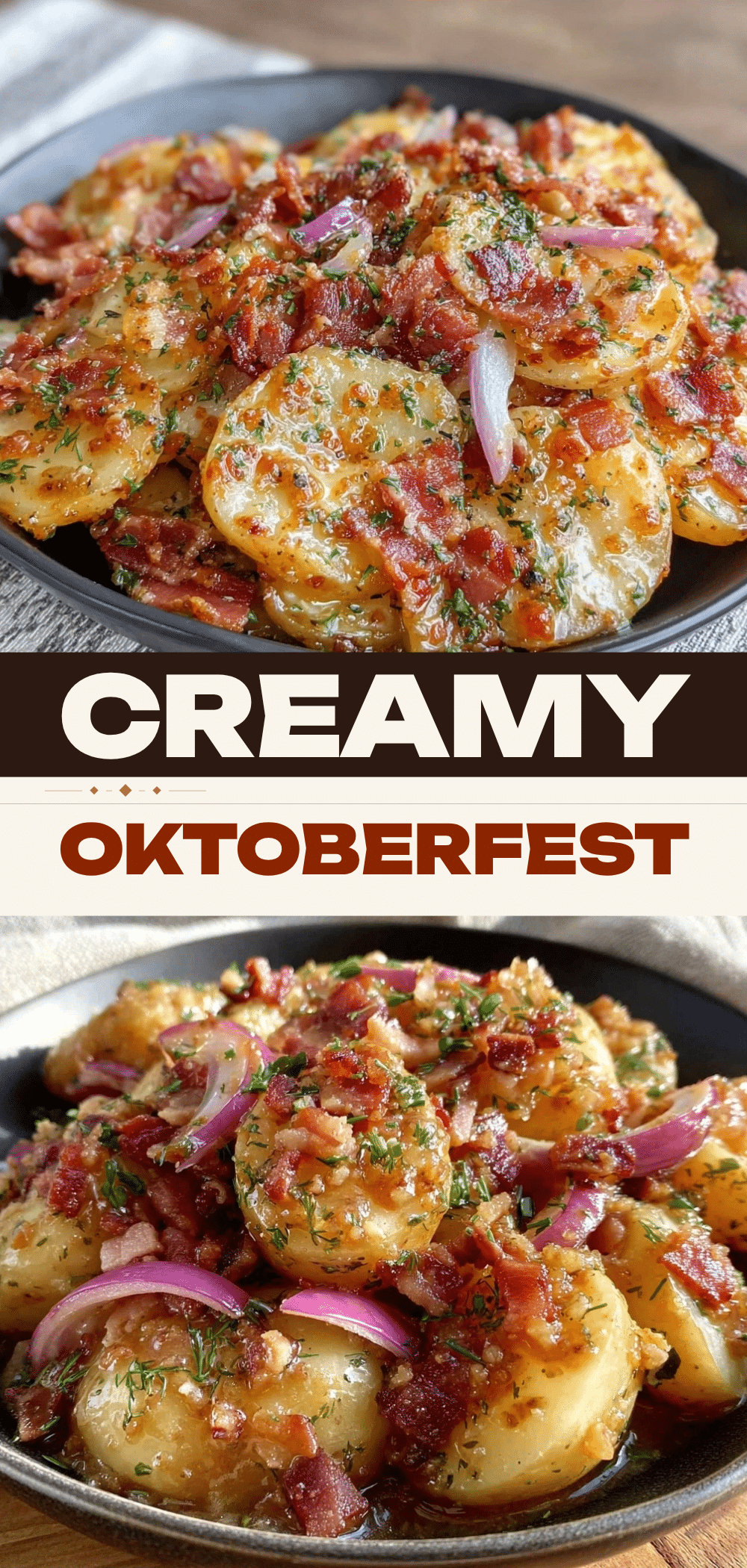

Oktoberfest German Potato Salad: 1-Serving Budget Meal
- Total Time: 30 minutes
- Yield: 4 servings 1x
Description
A warm, tangy, and bacon-laden German potato salad dressed in a mustard vinaigrette. This budget-friendly recipe uses simple ingredients like Yukon Gold potatoes, apple cider vinegar, and whole grain mustard for a comforting meal that costs less than $2 per serving.
Ingredients
- 1 medium Yukon Gold or Red potato (about 1 lb / 450g), cut into 1-inch cubes
- 4–5 slices bacon (about 100g), chopped
- 1 small yellow onion, finely diced (about 100g)
- 3 tablespoons apple cider vinegar
- 2 tablespoons whole grain mustard (or Dijon)
- 1/4 cup chicken broth (low-sodium)
- 1 tablespoon vegetable oil or reserved bacon fat
- 1 teaspoon sugar
- 1/2 teaspoon dried thyme (or 1 teaspoon fresh)
- 1/2 teaspoon salt (adjust to taste)
- Black pepper to taste
- 2 tablespoons chopped chives or green onions (optional, for garnish)
Instructions
- Wash potatoes and cut into uniform 1-inch cubes. Place in a medium saucepan, cover with cold water by an inch, and add a pinch of salt.
- Bring to a boil, then reduce to a simmer. Cook for 12-15 minutes until fork-tender but not mushy. Drain in a colander and let steam dry for a minute. Do not rinse with cold water.
- While potatoes boil, chop bacon into bite-sized pieces. Fry in a large skillet over medium heat until crispy. Remove bacon with a slotted spoon, leaving the rendered fat in the pan.
- In the same skillet with bacon fat, sauté diced onion over medium-low heat for 3-4 minutes until soft and translucent.
- Reduce heat to low. Whisk together apple cider vinegar, mustard, sugar, thyme, salt, and pepper in a small bowl. Pour into the skillet with onions and bacon fat. Simmer for 1 minute, stirring constantly, until sugar dissolves and mixture bubbles gently.
- Transfer warm potatoes to the skillet. Gently toss to coat with the vinaigrette. Sprinkle crispy bacon back in.
- Let the salad sit for 5 minutes to allow flavors to meld and potatoes to absorb the dressing.
- Serve immediately while warm, topped with fresh chives or green onions if desired.
Notes
Do not rinse boiled potatoes with cold water; they need to be warm to absorb the dressing. Use the rendered bacon fat for the vinaigrette for best flavor. This salad is best served warm but can be stored in the refrigerator for up to 3 days. It does not freeze well as potatoes become grainy. For a vegetarian version, skip bacon and use butter or oil, adding mushrooms for texture.
- Prep Time: 15 minutes
- Cook Time: 15 minutes
- Category: Side Dish
- Cuisine: German
Nutrition
- Serving Size: 1 serving (approx. 1
- Calories: 280
- Sugar: 2
- Sodium: 450
- Fat: 14
- Saturated Fat: 4
- Carbohydrates: 32
- Fiber: 3
- Protein: 8
Keywords: German potato salad, Oktoberfest, budget meal, single serving, warm potato salad, bacon, mustard vinaigrette, comfort food, cheap dinner