I used to think cooking salmon for a weeknight dinner was a gamble. You know the feeling—you pull the fillets out of the fridge, your stomach is growling, and you’re terrified of ending up with dry, rubbery fish that tastes like disappointment. I’ve had that happen so many times I almost stopped buying salmon altogether. Then I discovered this one-pan method, and honestly? It’s changed how I view weeknight cooking.
Last Tuesday, I came home exhausted. The kids were hungry, the dog was barking, and I had exactly twenty minutes before I needed to start helping with homework. I didn’t want to cook a complicated meal, but I also didn’t want cereal. I threw some salmon fillets and asparagus on a baking sheet, drizzled them with this sticky honey garlic sauce, and popped them in the oven. Twenty minutes later, my kitchen smelled like a high-end Asian restaurant, and my family was asking for seconds. That’s when I knew I had found a keeper.
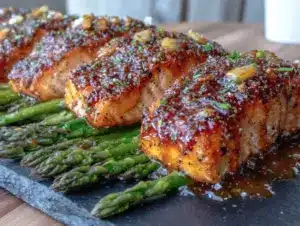
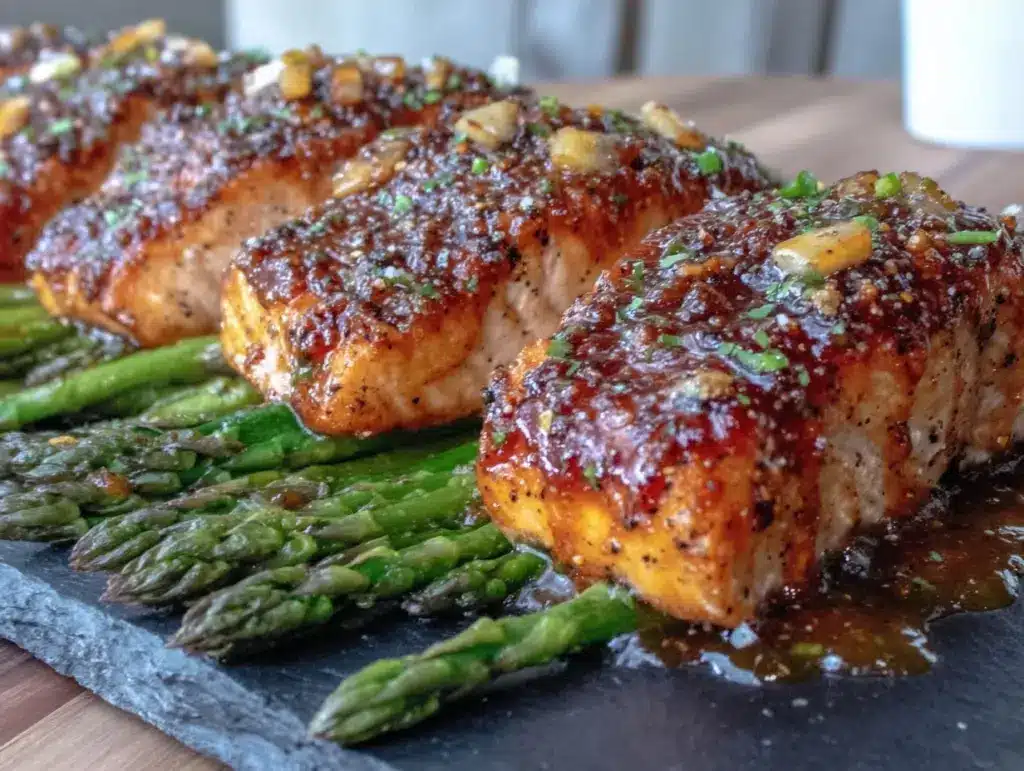
This one-pan honey garlic salmon with roasted asparagus is perfect for busy weeknights because it’s practically foolproof. But here’s the thing—it’s not just about saving time. It’s about the flavor. The sweet, salty, garlicky glaze caramelizes on the fish while the asparagus gets tender-crisp and slightly charred. It’s a complete meal with minimal cleanup. I’ve made this at least a dozen times in the last three months, tweaking the sauce ratios until it was just right. If you’re looking for a reliable dinner that looks fancy but takes zero effort, this is it.
Why You’ll Love This Recipe
There are a lot of reasons I keep making this honey garlic salmon, but they all boil down to one simple truth: it actually works. Every single time. Here’s why it’s become a staple in our rotation.
Zero Cleanup Stress — Seriously, one pan. That’s it. I hate doing dishes after a long day, and this recipe means I just toss the baking sheet in the sink and let it soak while we eat. No extra pots, no extra pans, no extra mess. It’s the kind of cooking that doesn’t leave you feeling like you worked harder than you ate.
Ready in 20 Minutes — From fridge to table in about 20 minutes. I’ve timed it. The prep is about 5 minutes (mostly just tossing ingredients), and the rest is hands-off oven time. I make this on nights when I’m too tired to stand over a stove, and it still tastes like I spent an hour in the kitchen.
Healthy Without Being Boring — Salmon is packed with omega-3s, and asparagus is a nutrient powerhouse. But unlike boiled chicken breast and steamed broccoli, this dish is vibrant and flavorful. The honey garlic sauce adds a kick that makes you forget you’re eating something “good for you.” My kids don’t even realize they’re eating vegetables until I point it out.
Flexible for Leftovers — I deliberately make extra because the leftovers are amazing. Cold or reheated, the salmon holds up well. I often slice it up for lunch salads or toss it into a grain bowl the next day. It’s like meal prep, but without the effort.
This recipe has saved me more times than I can count. It’s my go-to when I need dinner to just work. No complicated techniques, no weird ingredients I have to hunt for, just reliable, delicious food that makes everyone happy.
Ingredients You’ll Need
Here’s the best part: you probably have most of this already. This recipe relies on pantry staples and fresh fish, so it’s easy to grab on the way home. I’m particular about a few things here, so pay attention to the notes.
SALMON FILLETS (1.5 lbs / 680g) — I use skin-on or skinless fillets, about 6 ounces each. Look for firm, bright-colored flesh. Wild-caught Alaskan salmon is my favorite because it has a firmer texture that holds up better in the oven, but farmed Atlantic works too if it’s fresh. Ask your fishmonger for the freshest catch available.
ASPARAGUS SPEARS (1 bunch / about 1 lb / 450g) — Look for spears that are bright green and firm, not wilted or woody. I prefer medium-thick spears because they roast evenly. If they’re super thin, they’ll cook too fast. If they’re huge, snap off the tough bottom ends before using.
HONEY (3 tablespoons / 45ml) — Use real honey. It caramelizes beautifully in the oven. I don’t recommend agave or corn syrup here because the flavor profile is different. Good quality clover or wildflower honey adds a nice floral note.
SOY SAUCE (3 tablespoons / 45ml) — Low-sodium soy sauce is key here because the honey is sweet and you want to balance it, not make it salty. Regular soy sauce can make the dish too salty if you’re not careful. I always keep a bottle of Kikkoman or Coconut Secret in my pantry.
FRESH GARLIC (4 cloves, minced / about 2 tablespoons) — Yes, four cloves. Don’t skimp. Fresh garlic is non-negotiable for this sauce. Jarred minced garlic has a metallic taste that really clashes with the delicate fish. If you’re worried about chopping, buy pre-peeled garlic cloves from the produce section—they’re cheap and save time.
FRESH GINGER (1 teaspoon, grated) — This is the secret weapon. It adds a bright, spicy warmth that cuts through the sweetness of the honey. I grate it on a microplane for a smooth texture. If you don’t have fresh ginger, you can use ½ teaspoon of ground ginger, but fresh is better.
SESAME OIL (1 teaspoon) — Toasted sesame oil adds that authentic Asian flavor. A little goes a long way. Don’t use raw sesame oil for cooking; toasted is what gives it that nutty aroma. I drizzle it in at the end to preserve the flavor.
RED PEPPER FLAKES (½ teaspoon) — Optional but recommended. It adds a gentle heat that balances the sweet and salty. If you’re sensitive to spice, start with ¼ teaspoon. I love the kick it adds.
AVOCADO OIL OR CANOLA OIL (1 tablespoon) — For brushing the asparagus. Avocado oil has a high smoke point, which is perfect for roasting. Olive oil works too, but extra virgin can burn at high temps.
SESAME SEEDS (1 tablespoon, toasted) — For garnish. Toasting them in a dry pan for 2 minutes brings out their nutty flavor. It’s a small step that makes the dish look and taste professional.
LIME WEDGES — For serving. A squeeze of fresh lime juice right before eating brightens everything up and cuts the richness of the salmon.
Equipment Needed
You don’t need fancy equipment for this. Here’s what I actually use.
Large Baking Sheet — I use a standard 18×13 inch rimmed baking sheet. Line it with parchment paper or aluminum foil for easy cleanup. Parchment is nicer because the salmon doesn’t stick, but foil is faster to toss.
Small Mixing Bowl — For whisking the sauce. Any small bowl works.
Whisk — To emulsify the honey and soy sauce. A small whisk is easiest.
Pastry Brush — For brushing the asparagus with oil. Silicone brushes are easier to clean than bristle ones.
Sharp Knife — For mincing garlic and grating ginger. A dull knife makes you cry more—learned this the hard way.
Peeler or Knife — To trim the tough ends off the asparagus.
Small Skillet (Optional) — If you want to toast sesame seeds. But a microwave or dry toaster oven works too if you’re in a rush.
How to Make It: Step-by-Step
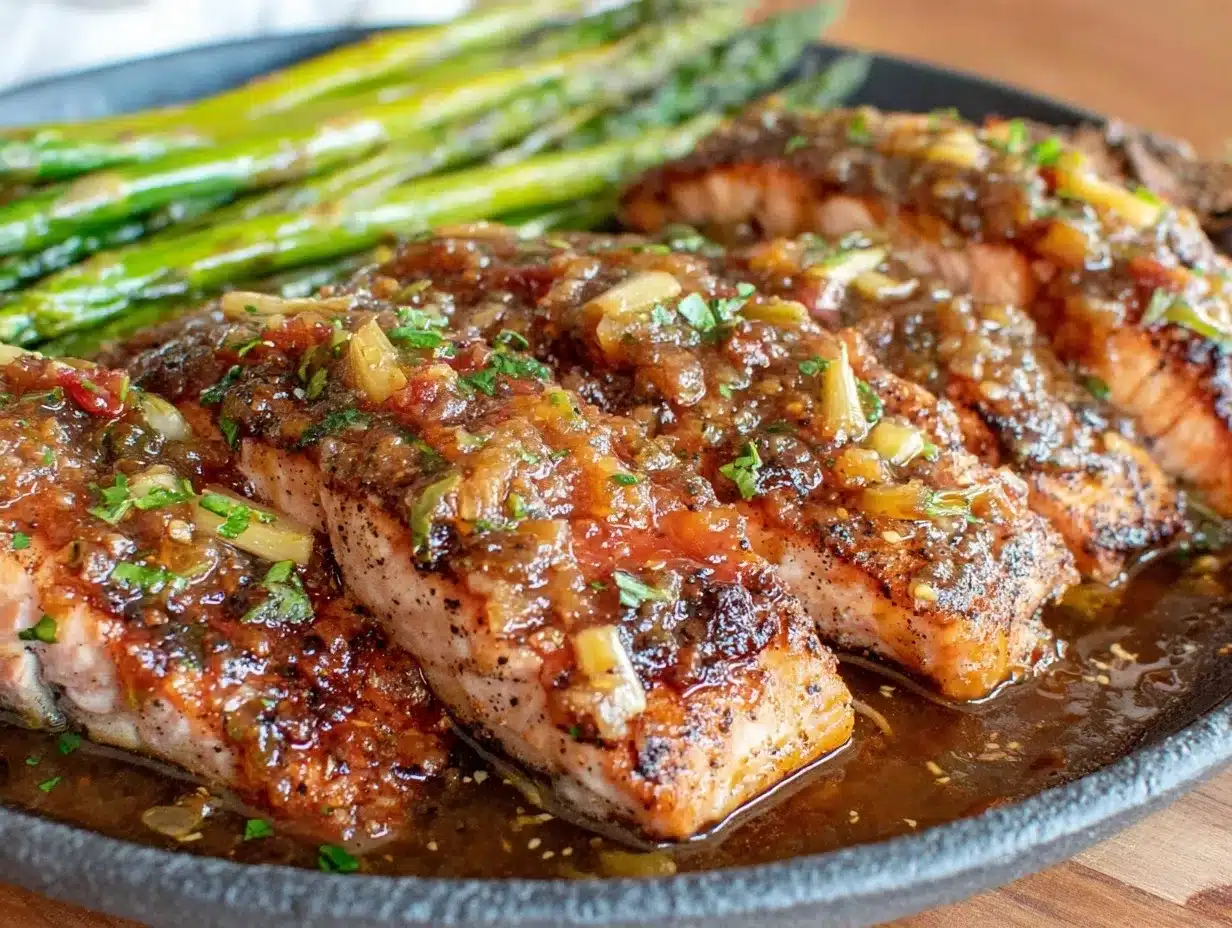
Alright, let’s make this! I’m walking you through exactly how I do it, including the little tricks I’ve picked up.
Step 1: Prep the Oven and Pan (5 minutes)
Preheat your oven to 400°F (200°C). Line a large baking sheet with parchment paper or foil. This step is crucial because it prevents sticking and makes cleanup a breeze. While the oven heats, snap off the tough bottom ends of the asparagus. Hold each spear near the middle and bend it; it will naturally break where the woody part ends. Toss the asparagus on one side of the baking sheet and drizzle with 1 tablespoon of oil. Toss to coat.
Step 2: Make the Honey Garlic Sauce
In a small bowl, whisk together the honey, soy sauce, minced garlic, grated ginger, red pepper flakes, and sesame oil. The mixture should be smooth and slightly thick. Taste it—it should be sweet, salty, and a little spicy. If it’s too sweet, add a splash more soy sauce. If it’s too salty, add a teaspoon more honey. This balance is everything.
Step 3: Season the Salmon
Pat the salmon fillets dry with paper towels. This is important! Moisture prevents browning. Place the salmon on the other side of the baking sheet, next to the asparagus. Season with salt and black pepper. Pour half of the honey garlic sauce over the salmon, reserving the other half for later. Use a spoon to drizzle it evenly, letting it pool around the fish.
Step 4: The One Trick – The Two-Stage Roast
Here’s the trick that makes the difference. Roast the asparagus alone for 5 minutes first. Then, take the pan out, flip the salmon over, and spoon the remaining sauce over the top. Return the pan to the oven. This ensures the asparagus gets tender without burning, and the salmon gets a double coating of flavor that caramelizes perfectly. Roast for another 10-12 minutes, or until the salmon flakes easily with a fork and the asparagus is tender-crisp.
Step 5: Rest and Garnish
Remove the pan from the oven. Let the salmon rest for 2 minutes. This allows the juices to redistribute, keeping the fish moist. Sprinkle with toasted sesame seeds and chopped green onions if you have them. Serve immediately with lime wedges on the side.
Expert Tips & Tricks
Here’s everything I’ve learned from making this dozens of times. These tips will save you from my mistakes.
Don’t Overcook the Salmon — Salmon continues to cook after it’s out of the oven. Pull it when it’s just barely opaque in the center. It should flake easily but still be slightly translucent in the very middle. Overcooked salmon is dry and sad.
Use Fresh Ginger — I know it’s extra work, but fresh ginger makes this recipe. Ground ginger tastes dusty and one-dimensional. Grate it on a microplane for a smooth, spicy kick.
Toast Your Sesame Seeds — It takes 2 minutes, but it transforms the dish. Raw sesame seeds are bland. Toasted sesame seeds are nutty and aromatic. It’s a small detail that makes a big difference.
Pat the Salmon Dry — Moisture is the enemy of caramelization. If the salmon is wet, the sauce will steam instead of roast. Paper towels are your friend here.
Adjust the Heat — If you love spice, add more red pepper flakes or a dash of sriracha to the sauce. If you’re cooking for kids, leave it out or use a tiny amount.
Don’t Skip the Lime — The acidity of the lime cuts through the sweetness of the honey and the richness of the fish. It’s the final touch that makes the flavors pop.
Variations & Substitutions
Once you’ve nailed the basic version, here’s how you can mix it up. I’ve tried all of these.
Teriyaki Twist — Swap the soy sauce for teriyaki sauce and skip the honey. It’s sweeter and more traditional. Great for kids.
Spicy Sriracha — Add 1 tablespoon of sriracha to the sauce. It’s bold and fiery. Perfect if you like a kick.
Ginger Glaze — Double the ginger and skip the garlic. It’s lighter and more refreshing. Great for spring.
Vegetarian Swap — Use firm tofu instead of salmon. Press the tofu, cube it, and toss it in the sauce. Roast for 20 minutes. It absorbs the flavor beautifully.
Other Veggies — Swap asparagus for broccoli, green beans, or zucchini. Just adjust the cooking time. Zucchini cooks faster, so add it in the last 10 minutes.
Serving & Storage
How to Serve: I usually serve this straight from the pan at the dinner table. It looks rustic and stays warm. Pair it with steamed rice or quinoa to soak up the extra sauce. A simple green salad with a vinegar dressing complements it well.
Leftovers: Store leftovers in an airtight container in the fridge for up to 3 days. The salmon holds up well, but the asparagus may get softer. Reheat gently in the microwave or a skillet over low heat. Avoid high heat, which can dry out the fish.
Freezing: I don’t recommend freezing this dish. The asparagus becomes mushy, and the texture of the salmon changes. It’s best enjoyed fresh.
Nutrition Information
I’m not a nutritionist, but here’s the breakdown if you’re tracking. This is based on 4 servings.
Per Serving:
- Calories: 320
- Protein: 28g
- Carbs: 18g
- Fiber: 3g
- Sugar: 12g
- Fat: 14g
- Saturated Fat: 2g
- Cholesterol: 70mg
- Sodium: 650mg
This dish is high in protein and healthy fats from the salmon. The honey adds sugar, so keep that in mind if you’re watching your intake. But honestly, it’s a balanced meal that fuels you without weighing you down.
Final Thoughts
So that’s my go-to honey garlic salmon! I’ve probably talked your ear off at this point, but when you make a recipe this often, you have a lot to say about it. This has saved weeknight dinners more times than I can count. It’s my answer to “what’s for dinner” when I’m tired, don’t want takeout, and still want something that tastes really good.
Make it yours! Try different add-ins, swap in your favorite vegetables, adjust the spice level. The best recipes are the ones you adapt to your family’s tastes. If you make this, drop a comment and let me know what you think! I love hearing how recipes turn out in your kitchen.
Happy cooking! And I hope your kitchen smells half as good as mine does right now.
Frequently Asked Questions
Can I use frozen salmon?
You can, but it’s not ideal. Frozen salmon releases more water, which can make the sauce runny and prevent caramelization. If you must use frozen, thaw it completely in the fridge overnight and pat it very dry before cooking. Fresh salmon always yields better results.
Why did my salmon stick to the pan?
This usually happens if the pan wasn’t lined or if the salmon was wet. Always use parchment paper or foil, and make sure to pat the salmon dry before adding the sauce. If it sticks, let it cool for a minute—it releases easier when it’s not piping hot.
Can I make this in an air fryer?
Yes! Cook at 375°F for 8-10 minutes. The asparagus might cook too fast, so I recommend roasting the asparagus first, then adding the salmon for the last 5 minutes. Check frequently to avoid overcooking.
Is this recipe gluten-free?
Not as written, because soy sauce contains wheat. To make it gluten-free, use tamari or coconut aminos instead of soy sauce. Everything else is naturally gluten-free.
What side dishes go well with this?
Steamed jasmine rice, quinoa, or noodles are great for soaking up the sauce. A simple cucumber salad or edamame also pairs well. I often serve it with the mediterranean salmon bowl for a different flavor profile if I want to switch things up.
Can I double this recipe?
Yes, but use two baking sheets. Don’t crowd the pan, or the salmon will steam instead of roast. Give the fish space to breathe for the best caramelization.
Pin This Recipe!
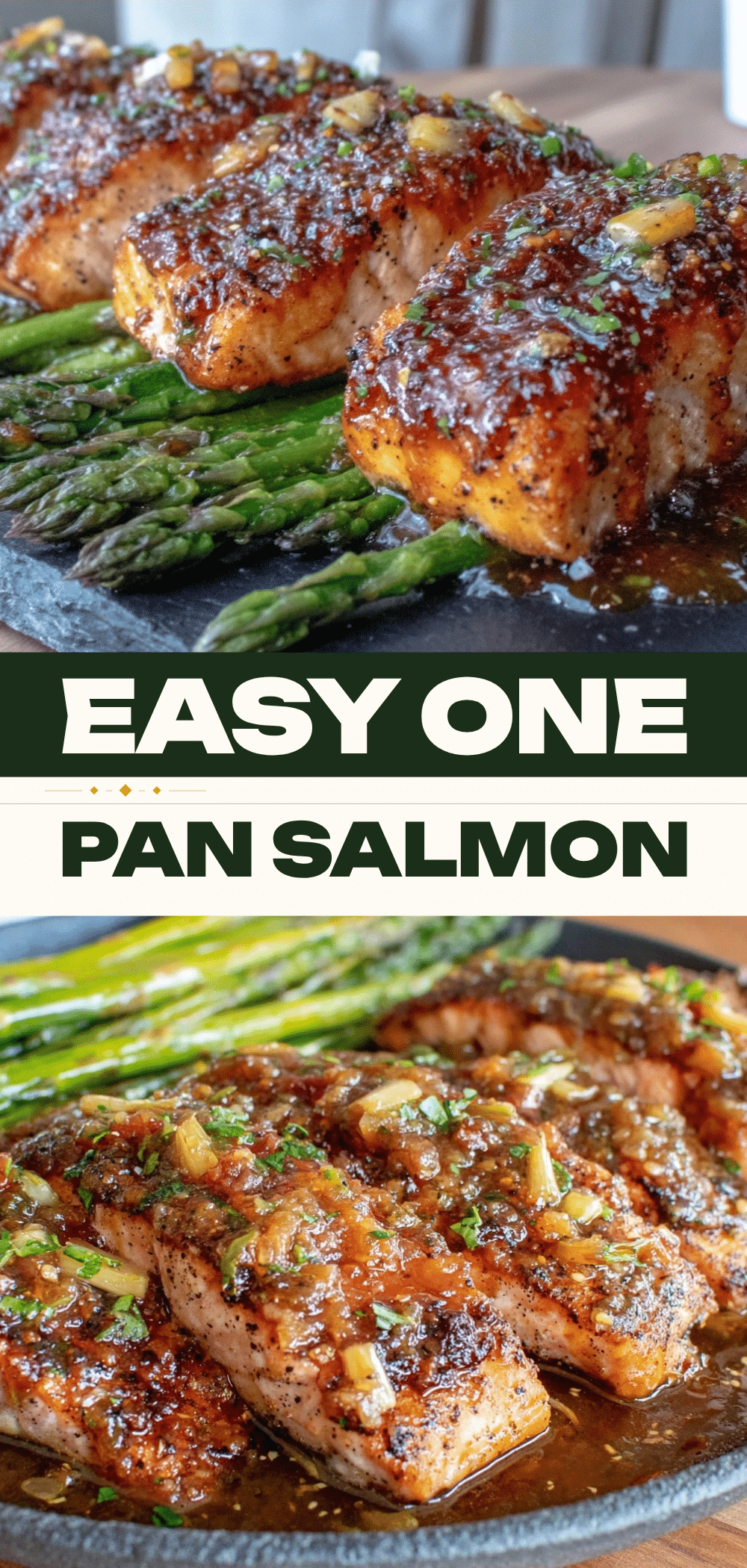
One-Pan Honey Garlic Salmon: The One Trick
- Total Time: 20 minutes
- Yield: 4 servings 1x
Description
A foolproof, one-pan weeknight dinner featuring salmon and asparagus roasted with a sticky, sweet, and savory honey garlic glaze. Ready in just 20 minutes with minimal cleanup.
Ingredients
- 1.5 lbs salmon fillets (skin-on or skinless, about 6 ounces each)
- 1 bunch asparagus spears (about 1 lb / 450g)
- 3 tablespoons honey
- 3 tablespoons low-sodium soy sauce
- 4 cloves fresh garlic, minced
- 1 teaspoon fresh ginger, grated
- 1 teaspoon toasted sesame oil
- 1 tablespoon avocado oil or canola oil
- 1 tablespoon toasted sesame seeds
- 1/2 teaspoon red pepper flakes (optional)
- Salt and black pepper to taste
- Lime wedges for serving
Instructions
- Preheat oven to 400°F (200°C). Line a large 18×13 inch rimmed baking sheet with parchment paper or foil.
- Snap off the tough bottom ends of the asparagus spears. Toss them on one side of the baking sheet with 1 tablespoon of oil and set aside.
- In a small bowl, whisk together honey, soy sauce, minced garlic, grated ginger, red pepper flakes, and sesame oil until smooth.
- Pat salmon fillets dry with paper towels. Place them on the other side of the baking sheet. Season with salt and black pepper.
- Pour half of the honey garlic sauce over the salmon, reserving the other half.
- Roast the asparagus alone for 5 minutes.
- Remove the pan from the oven. Flip the salmon over and spoon the remaining sauce over the top.
- Return the pan to the oven and roast for another 10-12 minutes, or until the salmon flakes easily with a fork and is just opaque in the center.
- Remove from oven and let salmon rest for 2 minutes.
- Sprinkle with toasted sesame seeds and serve immediately with lime wedges.
Notes
Pat the salmon dry before cooking to ensure proper caramelization. Do not overcook the salmon; it should be slightly translucent in the center as it continues to cook after removal from the oven. For a gluten-free version, substitute soy sauce with tamari or coconut aminos. Fresh ginger is recommended over ground for better flavor.
- Prep Time: 5 minutes
- Cook Time: 15 minutes
- Category: Main Course
- Cuisine: Asian Fusion
Nutrition
- Serving Size: 1 fillet and asparag
- Calories: 320
- Sugar: 12
- Sodium: 650
- Fat: 14
- Saturated Fat: 2
- Carbohydrates: 18
- Fiber: 3
- Protein: 28
Keywords: honey garlic salmon, one pan dinner, weeknight meals, healthy salmon, roasted asparagus, quick dinner, gluten-free option