I still remember the first time I tried to make a German chocolate cake. I was twenty-two, living in a tiny apartment with a hot plate, and I thought I was a pretty good cook. I followed a boxed mix recipe exactly, added the frosting, and presented it to my then-boyfriend (now husband) like I’d just won a culinary award. He took one bite, chewed slowly, and said, “It’s… okay.”
Okay. As in, forgettable. As in, something you eat at a gas station picnic table. I was devastated. I threw the rest of the cake in the trash and swore I’d never try again. But here’s the thing about baking: you either get defensive or you get curious. I got curious.
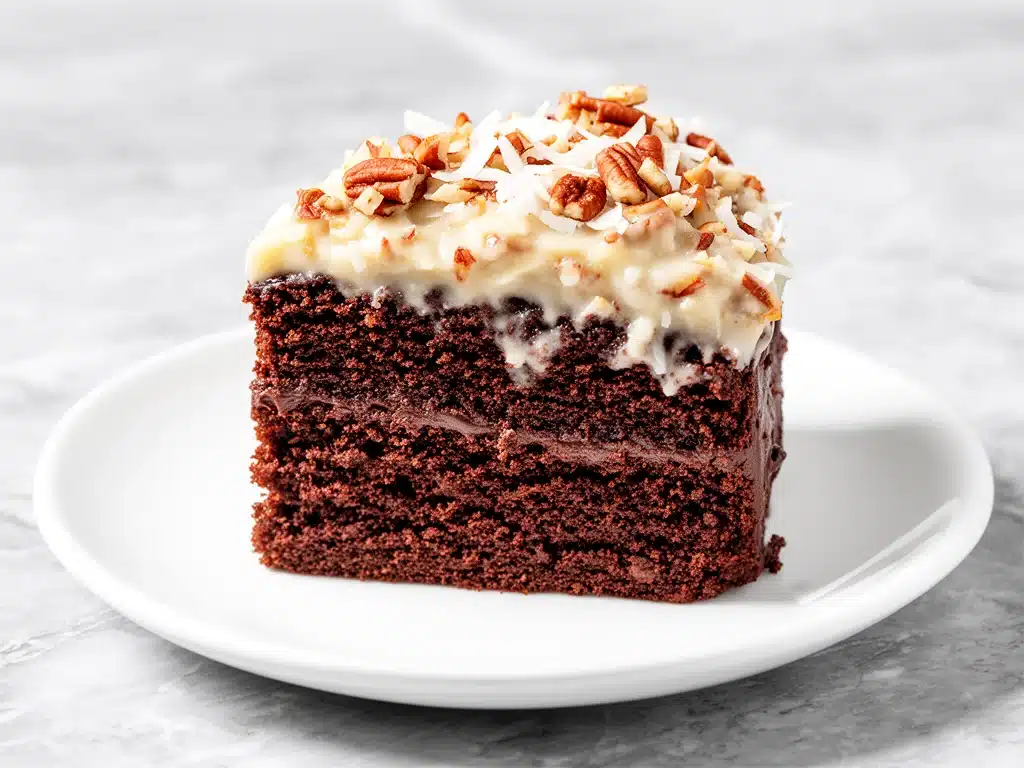
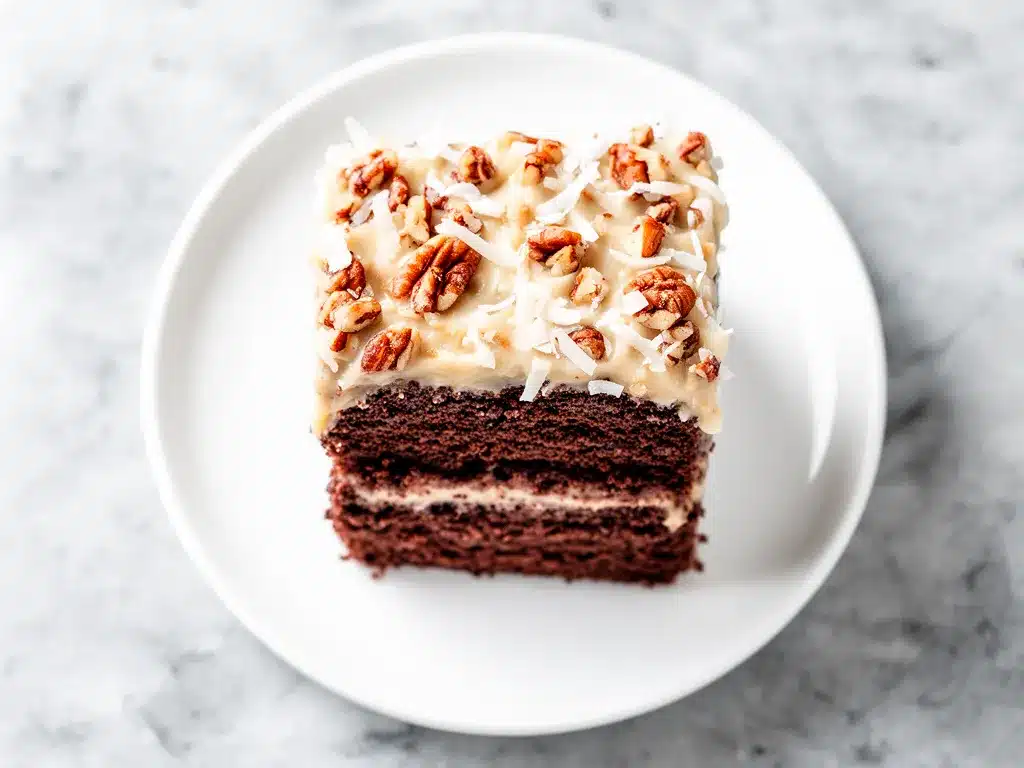
I spent the next three months testing chocolate cakes. I bought every type of cocoa powder. I tried buttermilk, yogurt, coffee, and even beer in the batter. I burned the frosting twice. I over-whipped the coconut mixture until it was dry and sad. But then, one rainy Tuesday, I got it. The cake was dark, moist, and genuinely fudgy—like a brownie that decided to wear a dress. The frosting was sweet, salty, chewy, and rich. My husband ate two slices. Then he asked for a third.
This isn’t your grandmother’s dry, dusty German chocolate cake. This is a modern, fudgy masterpiece that uses high-quality cocoa and a buttery coconut-pecan frosting that actually sticks to the cake instead of sliding off like grease. I’ve made this for birthdays, holidays, and random Tuesday nights when I need a hug in dessert form. It has become the gold standard in our house. If you’re looking for a homemade dessert that feels fancy but is actually surprisingly approachable, this is it.
Why You’ll Love This Fudgy German Chocolate Cake
There are a lot of chocolate cakes out there. But this specific combination of dark, fudgy sponge and that iconic, chewy coconut-pecan frosting hits a different note. It’s not just sweet; it’s complex. Here’s why this recipe has earned a permanent spot in my rotation:
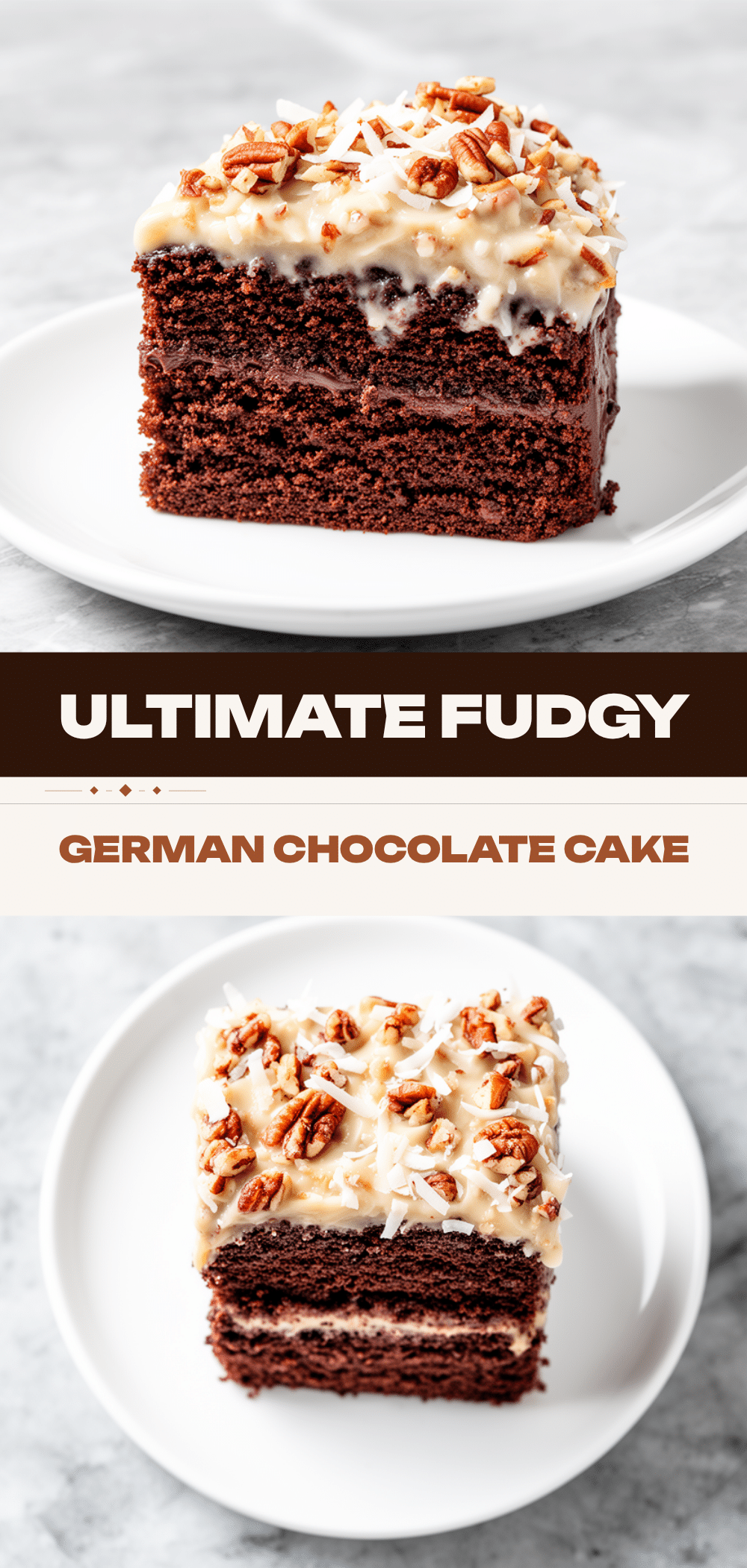
It’s Actually Fudgy, Not Just Moist — Most chocolate cakes use oil to stay moist. This one uses a combination of butter, eggs, and a touch of sour cream to create a dense, brownie-like crumb. It’s heavy in the best way. When you cut it, the knife goes through smoothly, and the texture is dense and rich.
The Frosting Is a Texture Dream — Store-bought versions often taste like sweetened condensed milk and regret. This frosting is cooked on the stovetop, giving it a caramel-like depth. The toasted pecans add crunch, and the coconut adds chewiness. It’s like a candy bar in frosting form.
It Feels Impressive But Isn’t Hard — I’ve served this to food critics and to kids who usually only eat nuggets. Everyone loves it. The layers look professional, but the technique is straightforward. You’re basically making a chocolate cake and a caramel sauce. Two tasks, huge payoff.
It Holds Up in Humidity — Unlike meringue or whipped cream frostings, this coconut-pecan frosting is stable. I’ve made this for outdoor summer parties, and it doesn’t melt or slide. It stays put. This is crucial for anyone who lives in a humid climate or loves to bake outside.
It Freezes Like a Charm — I often make the cake layers a week ahead, wrap them tightly, and freeze them. When I need the cake, I thaw them out, frost it, and it tastes fresh-baked. This makes it the perfect stress-free dessert for last-minute guests.
So basically, this cake is the answer to “what should I bake for a special occasion?” It’s reliable, delicious, and always makes people ask for the recipe.
Ingredients You’ll Need for the Cake
Here’s the best part: you probably have most of these ingredients already. I’m particular about a few things here, and I’ll tell you exactly why. Don’t skip the quality checks on the chocolate and cocoa.
All-Purpose Flour (2 ½ cups / 315g) — This is your structure. Don’t use cake flour unless you want a lighter, airier crumb. We want fudgy. Sift it with the cocoa to avoid lumps. I always spoon it into the cup and level it off—don’t scoop directly from the bag or you’ll pack it down and end up with a dry cake.
Baking Soda (2 teaspoons) — This reacts with the acidic ingredients (buttermilk and cocoa) to create lift. Make sure it’s fresh! If it’s older than six months, toss it. Old baking soda makes flat, dense cakes.
Salt (1 teaspoon) — Salt isn’t just for flavor; it enhances the chocolate. Use fine sea salt. If you use kosher salt, you might need a bit more. I taste as I go.
Unsweetened Cocoa Powder (1 cup / 90g) — This is the heart of the fudgy texture. I use natural cocoa powder, not Dutch-processed. Natural cocoa is more acidic and pairs better with baking soda. Brands like Ghirardelli or Hershey’s work great. Avoid “processed” cocoa if you can help it.
Granulated Sugar (2 cups / 400g) — Sugar adds sweetness and moisture. Don’t reduce the sugar here; it affects the texture. Brown sugar can be used for extra chewiness, but I stick to white for that classic clean chocolate flavor.
Unsalted Butter (1 cup / 225g, softened) — This adds richness. Soften it properly. If you microwave it, it will melt. Room temperature butter creams better with sugar, creating air pockets that make the cake tender.
Eggs (4 large, room temperature) — Room temperature eggs emulsify better into the batter. Cold eggs can cause the butter to seize. I take them out of the fridge 30 minutes before baking.
Vanilla Extract (2 teaspoons) — Pure vanilla, not imitation. It adds depth. If you’re in a pinch, you can use almond extract, but vanilla is classic.
Buttermilk (1 ½ cups / 360ml) — This tenderizes the gluten and adds tang. If you don’t have buttermilk, make your own: add 1 tablespoon of white vinegar or lemon juice to a measuring cup, then fill the rest with milk. Let it sit for 5 minutes until it curdles slightly.
Hot Coffee or Hot Water (1 cup / 240ml) — This is the secret weapon. Hot liquid “blooms” the cocoa powder, releasing deeper chocolate flavors. I use strong brewed coffee because it enhances the chocolate without making the cake taste like coffee. If you hate coffee, hot water works too, but the flavor depth is less.
Ingredients for the Coconut Pecan Frosting
This isn’t just sprinkled on top; it’s cooked into a rich, caramel-like sauce that binds the layers together.
Butter (½ cup / 115g) — Unsalted. This is the base for the caramel.
Evaporated Milk (1 can / 12 oz) — Not condensed milk! Evaporated milk is unsweetened and has a cooked, caramelized flavor. This is key for the authentic German chocolate taste. I keep cans in the pantry specifically for this.
Granulated Sugar (1 cup / 200g) — For sweetness and structure.
Large Egg Yolks (3) — Yolks add richness and help thicken the frosting. We don’t use whites here; they’re too airy.
Vanilla Extract (1 teaspoon) — Added at the end to preserve the flavor.
Shredded Coconut (1 ½ cups / 100g) — Use sweetened shredded coconut for that classic chew. Unsweetened works but will make the frosting less sweet, which might throw off the balance.
Chopped Pecans (1 ½ cups / 150g) — Toast them first! Raw pecans are bland. Toasting brings out their nutty oil and adds crunch. I chop them roughly; you want pieces, not dust.
Equipment Needed
You don’t need fancy gadgets for this. Here’s what I actually use:
Two 9-Inch Round Cake Pans — Grease and flour them, or line the bottoms with parchment paper. I use parchment because it guarantees the cake won’t stick. I also spray the sides with non-stick spray.
Large Mixing Bowl — For the dry ingredients. A glass or stainless steel bowl works best.
Electric Mixer — Handheld or stand mixer. Creaming the butter and sugar by hand is possible but exhausting. I use my stand mixer on medium speed.
Saucepan — Medium-sized, heavy-bottomed is best for the frosting to prevent scorching. I use my 3-quart saucepan.
Whisk — Essential for the frosting to prevent lumps. Also good for mixing the dry ingredients.
Spatula — Silicone spatulas are great for scraping down the bowl and folding in the hot coffee.
Cooling Rack — Let the cakes cool completely before frosting. Warm cake melts frosting. I’ve learned this the hard way.
Offset Spatula — Makes frosting the sides easier. A regular spatula works if you’re careful.
How to Make It: Step-by-Step
Alright, let’s make this! I’m walking you through exactly how I do it, including the little tricks I’ve picked up.
Step 1: Prep Your Oven and Pans (5 minutes)
Preheat your oven to 350°F (175°C). This is crucial. If your oven runs hot, check it with an oven thermometer. Grease your two 9-inch cake pans with butter or non-stick spray. Dust with flour, tapping out the excess. Or, line the bottoms with parchment circles for guaranteed release.
Step 2: Whisk the Dry Ingredients (3 minutes)
In a large bowl, whisk together the flour, baking soda, salt, and cocoa powder. Sifting is optional but recommended if your cocoa is lumpy. Whisking ensures even distribution of the leavening agent. Set aside.
Step 3: Cream the Butter and Sugar (4 minutes)
In a separate large bowl, beat the softened butter and granulated sugar on medium-high speed for about 3-4 minutes. The mixture should look pale and fluffy. This step incorporates air, which helps the cake rise. Don’t rush this. If you skip it, the cake will be dense (and we want dense, but in a good way).
Step 4: Add Eggs and Vanilla (2 minutes)
Add the eggs one at a time, beating well after each addition. Scrape down the sides of the bowl with a spatula. Add the vanilla extract. The mixture might look curdled—that’s okay. It will come together.
Step 5: Combine Wet and Dry (3 minutes)
Reduce mixer speed to low. Add the dry ingredients in three parts, alternating with the buttermilk in two parts. Start and end with the dry ingredients. Mix just until combined. Overmixing develops gluten, which makes the cake tough. Stop as soon as you see no more streaks of flour.
Step 6: Add the Hot Coffee (1 minute)
Slowly pour in the hot coffee or hot water while mixing on low. The batter will become very thin and liquidy. This is normal! The hot liquid blooms the cocoa. Do not panic. The batter should look like dark, thin paint.
Step 7: Bake (30-35 minutes)
Pour the batter evenly into the prepared pans. Bake for 30-35 minutes. Insert a wooden toothpick into the center; it should come out with a few moist crumbs, not wet batter. If it’s clean, it’s overbaked. Rotate the pans halfway through for even baking.
Step 8: Cool Completely (1 hour)
Let the cakes cool in the pans for 10 minutes, then turn them out onto a wire rack. Let them cool completely. If you frost a warm cake, the frosting will melt and slide off. Patience is key here.
Step 9: Make the Frosting (15 minutes)
In a medium saucepan, combine butter, evaporated milk, and sugar. Cook over medium heat, stirring constantly, until it reaches 180°F (82°C) or a soft-ball stage. This takes about 5-6 minutes. The mixture will bubble and thicken.
In a small bowl, whisk the egg yolks. Slowly temper the yolks by adding a little of the hot sugar mixture while whisking. Then pour the yolk mixture back into the saucepan. Cook for another 1-2 minutes, stirring constantly, until thickened. Remove from heat. Stir in vanilla, coconut, and pecans.
Step 10: Assemble the Cake (10 minutes)
Place one cake layer on a serving plate. Spread a generous layer of frosting on top. Place the second layer on top. Spread the remaining frosting over the top and sides. Press extra pecans and coconut into the sides for decoration if you want it to look fancy.
Expert Tips & Tricks
Here’s everything I’ve learned from making this dozens of times. These tips will save you from my mistakes.
Toast Your Pecans
Never skip this. Spread chopped pecans on a baking sheet and toast at 350°F for 5-7 minutes until fragrant. This brings out the oils and prevents the frosting from tasting flat. It’s a game-changer.
Don’t Overbake the Cake
Chocolate cakes continue to cook in the pan after you take them out. If the toothpick comes out clean, they’re done. If it has wet batter, give them 2 more minutes. I usually pull them out when there are a few moist crumbs. Overbaked cake is dry cake.
Use a Cake Leveler
Cake layers often dome in the middle. Use a serrated knife or a cake leveler to slice off the dome. This creates a flat surface for frosting and makes the cake look professional. I do this every time.
Chill the Cake Before Serving
After frosting, refrigerate the cake for at least 30 minutes before slicing. This sets the frosting and makes clean cuts possible. If you slice it warm, the layers might slide.
Adjust Sweetness
If you find the frosting too sweet, reduce the sugar by 2 tablespoons. The coconut and pecans add enough flavor to balance it. Taste as you go.
Variations & Substitutions
Once you’ve nailed the basic version, here’s how you can mix it up. I’ve tried all of these.
Chocolate Chip Version
Add 1 cup of semi-sweet chocolate chips to the batter before baking. It adds pockets of melted chocolate. My kids love this variation.
Gluten-Free
Use a 1:1 gluten-free flour blend. Make sure it contains xanthan gum, or add ½ teaspoon. The texture will be slightly different but still delicious.
Dairy-Free
Use plant-based butter and almond milk (add 1 tablespoon vinegar to make it acidic). For the frosting, use coconut cream instead of evaporated milk. It’s richer but works.
Nut-Free
Simply omit the pecans in the frosting. Add extra coconut or use toasted sunflower seeds for crunch.
Mini Cakes
Divide the batter into 12 muffin liners and bake for 18-20 minutes. Make mini frosting portions. Great for parties.
Serving & Storage
How to Serve:
I usually serve this at room temperature. Cold cake loses some of its fudgy texture. Let it sit out for 20 minutes before slicing. Pair it with a strong black coffee or a glass of milk.
Side Dishes:
This cake is rich, so keep sides light. A simple fruit salad or a glass of sparkling water with lemon works well.
Storage:
Refrigerator: Store in an airtight container for up to 5 days. The frosting hardens in the fridge, so let it come to room temperature before serving.
Freezer: Freeze the unfrosted cake layers for up to 3 months. Wrap tightly in plastic wrap and foil. Thaw overnight in the fridge before frosting. The frosting itself does not freeze well; the texture changes.
Reheating: Not recommended. This cake is best fresh or at room temperature.
Nutrition Information
I’m not a nutritionist, but here’s the breakdown if you’re tracking. This is a rich dessert, so portion control is key.
Per Serving (based on 12 slices):
Calories: 480
Protein: 6g
Carbs: 62g
Fiber: 2g
Sugar: 45g
Fat: 24g
Saturated Fat: 12g
Cholesterol: 85mg
Sodium: 280mg
What’s Good: It provides some protein from the eggs and nuts. The cocoa has antioxidants.
What to Know: High in sugar and saturated fat. Use this as a special occasion treat, not a daily snack.
Final Thoughts
So that’s my go-to fudgy German chocolate cake! I’ve probably talked your ear off at this point, but when you make a recipe this often, you have a lot to say about it. This cake has saved holidays, birthdays, and random weeknight cravings. It’s my answer to “I need something sweet but substantial.” My family loves it, my friends ask for it, and I love making it because it’s reliable and delicious.
Make it yours! Try different nuts, add espresso powder to the batter, or change the frosting consistency. The best recipes are the ones you adapt to your tastes.
If you make this, drop a comment and let me know what you think! I love hearing how recipes turn out in your kitchen. And if something doesn’t work, tell me that too—I’m here to help troubleshoot.
Happy baking! And I hope your kitchen smells half as good as mine does right now.
Frequently Asked Questions
Can I use Dutch-processed cocoa instead of natural cocoa?
You can, but you’ll need to adjust the leavening. Dutch-processed cocoa is neutralized, so it doesn’t react with baking soda. If you use it, swap the baking soda for baking powder (2 teaspoons). The flavor will be slightly less acidic and more mellow. I prefer natural cocoa for that tangy depth, but Dutch-processed works if that’s what you have.
Why did my cake sink in the middle?
Usually, this means it was underbaked or the oven door was opened too early. Check the toothpick again. Also, make sure your baking soda is fresh. If it’s old, it won’t provide enough lift, and the cake will collapse as it cools. Don’t open the oven door for the first 20 minutes.
Can I make the frosting ahead of time?
Yes! The frosting can be made up to 2 days ahead. Store it in an airtight container in the fridge. Reheat it gently in a saucepan over low heat, stirring until smooth and spreadable. It will thicken as it cools, so add a splash of milk if it’s too stiff.
Why is my frosting runny?
It probably didn’t reach the soft-ball stage (180°F). Use a candy thermometer to be sure. If you don’t have one, drop a small amount into cold water; it should form a soft ball that holds its shape. If it’s too runny, cook it a bit longer. If it’s already done and runny, you can add a little more sugar and cook it again.
Can I use sweetened condensed milk instead of evaporated milk?
No. Sweetened condensed milk is much thicker and sweeter. It will make the frosting cloyingly sweet and possibly grainy. Evaporated milk has the right consistency and sweetness for this recipe. Stick with evaporated milk.
How do I get clean slices?
Chill the cake first! Then, dip your knife in hot water and wipe it dry before each cut. The heat melts the frosting slightly, allowing for a clean slice. Wipe the knife between cuts to avoid smearing.
Can I double this recipe?
Absolutely! Use three 9-inch pans and bake for 35-40 minutes. Or, use two 9-inch pans and freeze the extra batter for later. The frosting recipe can also be doubled easily.
Pin This Recipe!
Fudgy German Chocolate Cake: 10 Best Homemade Frosting
- Total Time: 1 hour 5 minutes
- Yield: 12 servings 1x
Description
A modern, fudgy German chocolate cake with a dense, brownie-like crumb and a rich, caramel-like coconut-pecan frosting that is stable and impressive.
Ingredients
- 2 ½ cups all-purpose flour
- 2 teaspoons baking soda
- 1 teaspoon fine sea salt
- 1 cup natural unsweetened cocoa powder
- 2 cups granulated sugar
- 1 cup unsalted butter, softened
- 4 large eggs, room temperature
- 2 teaspoons pure vanilla extract
- 1 ½ cups buttermilk
- 1 cup hot coffee or hot water
- ½ cup unsalted butter (for frosting)
- 1 can (12 oz) evaporated milk
- 1 cup granulated sugar (for frosting)
- 3 large egg yolks
- 1 teaspoon vanilla extract (for frosting)
- 1 ½ cups sweetened shredded coconut
- 1 ½ cups chopped pecans, toasted
Instructions
- Preheat oven to 350°F (175°C). Grease and flour two 9-inch round cake pans or line bottoms with parchment paper.
- In a large bowl, whisk together flour, baking soda, salt, and cocoa powder.
- In a separate large bowl, beat softened butter and 2 cups sugar on medium-high speed for 3-4 minutes until pale and fluffy.
- Add eggs one at a time, beating well after each addition. Scrape down sides. Add 2 teaspoons vanilla extract.
- Reduce mixer speed to low. Add dry ingredients in three parts, alternating with buttermilk in two parts, starting and ending with dry ingredients. Mix just until combined.
- Slowly pour in hot coffee or hot water while mixing on low. Batter will be thin.
- Pour batter evenly into prepared pans. Bake for 30-35 minutes or until a toothpick inserted in the center comes out with moist crumbs. Rotate pans halfway through.
- Cool cakes in pans for 10 minutes, then turn out onto a wire rack to cool completely.
- For frosting: In a medium saucepan, combine ½ cup butter, evaporated milk, and 1 cup sugar. Cook over medium heat, stirring constantly, until mixture reaches 180°F (soft-ball stage), about 5-6 minutes.
- Whisk egg yolks in a small bowl. Temper yolks by slowly adding a little of the hot sugar mixture while whisking. Pour yolk mixture back into saucepan.
- Cook for another 1-2 minutes, stirring constantly, until thickened. Remove from heat.
- Stir in 1 teaspoon vanilla, shredded coconut, and toasted pecans.
- Place one cake layer on a serving plate. Spread a generous layer of frosting on top. Place second layer on top. Spread remaining frosting over top and sides.
- Refrigerate for at least 30 minutes before slicing to set the frosting.
Notes
Toast pecans before adding to frosting for better flavor. Do not overbake the cake; it continues to cook in the pan. Use natural cocoa powder for best results with baking soda. If using Dutch-processed cocoa, swap baking soda for baking powder. Chill cake before serving for clean slices.
- Prep Time: 30 minutes
- Cook Time: 35 minutes
- Category: Dessert
- Cuisine: American
Nutrition
- Serving Size: 1 slice
- Calories: 480
- Sugar: 45
- Sodium: 280
- Fat: 24
- Saturated Fat: 12
- Carbohydrates: 62
- Fiber: 2
- Protein: 6
Keywords: German chocolate cake, fudgy cake, coconut pecan frosting, homemade cake, chocolate dessert, baking