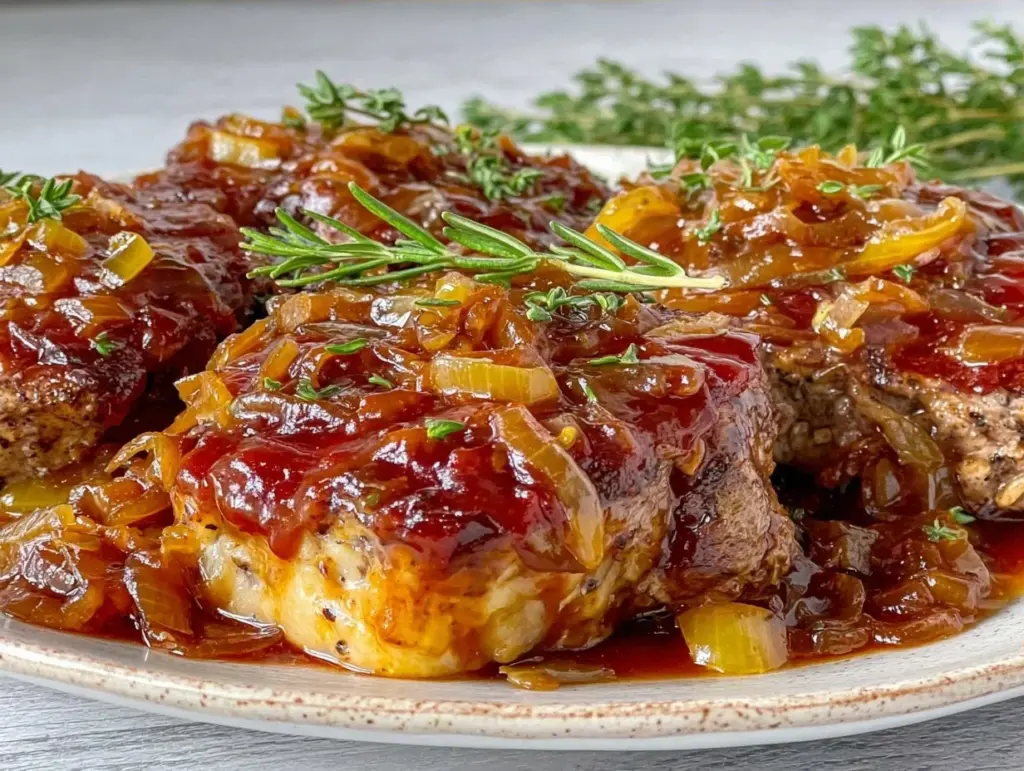
It’s that time of year again where the air gets crisp, the leaves start turning, and my grocery budget starts to panic. You know the feeling. You’re standing in the produce aisle, staring at a display of apples that cost more than a small lunch, and wondering if you can actually make dinner feel fancy without blowing your weekly cash on ingredients you’ll use once and forget.
That was me last Tuesday. I had $15 in my lunch money jar, a half-empty fridge, and a serious craving for something warm and comforting that didn’t taste like instant ramen. I walked home with a bottle of cheap apple cider, a single thick-cut pork chop (the kind on sale that makes you feel like a king for $4), and a bag of onions that were starting to sprout. I threw them together in a skillet, not expecting much. Maybe a sad dinner?
Instead, I got the best 1-person meal I’ve made all season.
These apple cider braised pork chops are the ultimate budget-friendly weeknight dinner. They’re sweet, savory, tender, and take almost zero effort. Plus, the sauce is so good you’ll want to drink it straight from the pan. I’ve made this recipe three times in the last two weeks because it’s that good—and that cheap. If you’re cooking for one and trying to keep your wallet happy, this is your new go-to.
Why You’ll Love This Recipe
Look, I’m not going to lie to you. Cooking for one can be lonely, but it doesn’t have to be boring or expensive. This apple cider braised pork chops recipe works because it hits all the right notes without breaking the bank. Here’s why I keep coming back to this skillet:
- Stupidly Simple — Seriously, if you can chop an onion and pour liquid, you can make this. There’s no fancy technique, no sous vide, no waiting for yeast to rise. Just sear, add liquid, cover, and wait. I’ve made this while watching TV. It’s that hands-off.
- Budget Champion — This whole meal costs about $6 to $8 depending on where you shop. That’s less than a single entrée at a casual restaurant, and you get leftovers. I usually make two chops at once just so I have lunch for the next day, bringing the cost per meal down to roughly $3.
- Pantry Staples — You probably already have most of this. Apple cider? Check. Pork chops? Check. Onions and garlic? Check. Butter? Check. You don’t need a special trip to the store for exotic spices. This is “what’s in my cabinet” cooking at its finest.
- Restaurant Quality for Pennies — The braising liquid reduces down into a glossy, rich sauce that tastes like it came from a bistro. But here’s the secret: it’s just apple juice, soy sauce, and butter. No heavy cream, no expensive stocks. Just flavor bombs you already own.
- Perfect for Meal Prep — Since this is a 1-person meal focus, it’s ideal for lunch the next day. The flavors actually get better after sitting in the fridge for a few hours. I pack these in containers with rice or mashed potatoes, and it’s the highlight of my workday.
This is my answer to “what’s for dinner” when I’m tired, broke, and just want something that tastes like comfort. It’s reliable, it’s cheap, and it makes me feel like I’m eating well.
Ingredients You’ll Need
Here’s the best part: the ingredient list for these apple cider braised pork chops is short enough to fit on a sticky note. I’m particular about a few things here, but mostly, this is about using what you have. Let’s break it down so you know exactly what you’re buying (and what you can skip).
For the Pork
Pork chops (2 thick-cut bone-in or boneless, about 1-inch thick / 300-400g) — This is the star. I always go for thick-cut. Thin chops dry out in minutes. Thick chops have room to braise without turning into shoe leather. Bone-in is cheaper and adds more flavor to the sauce, but boneless works fine if you prefer. Look for sales—they’re often marked down in the evenings.
Salt and black pepper — Kosher salt is best, but table salt works. Use it generously. I pat the chops dry first; wet meat steams instead of sears. Dry meat = golden crust = flavor.
Oil (2 tablespoons / 30ml) — I use vegetable or canola oil because it has a higher smoke point. Olive oil works, but it can burn if the pan gets too hot. Don’t overthink it.
For the Braising Liquid
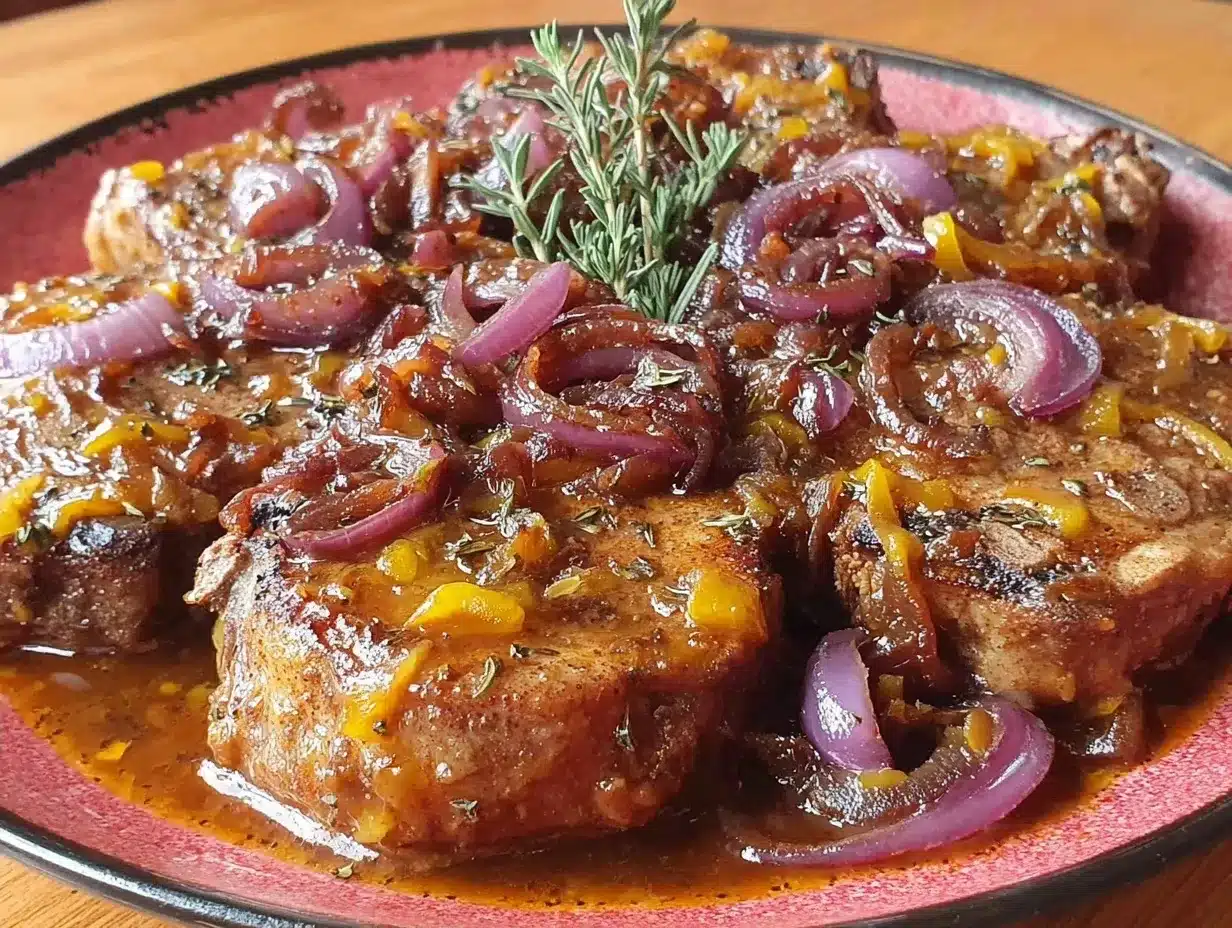
Apple cider (1 cup / 240ml) — This is the main flavor driver. I don’t use expensive craft cider for cooking. I buy the big bottle of regular apple cider (not “apple juice drink” or “cocktail”—just pure cider). It’s cheap and sweet. If you’re on a tight budget, unsweetened apple juice works, but you might need a pinch more brown sugar.
Onion (1 medium yellow onion, diced / about 150g) — The base of the sauce. Yellow onions are sweet and cheap. White onions are sharper; red onions get weirdly sweet and purple. Stick to yellow. Dice it fine so it melts into the sauce.
Garlic (3 cloves, minced / about 1 tablespoon) — Fresh only. Jarred garlic tastes metallic in a braised sauce. Minced fresh garlic adds that savory punch that balances the sweet cider.
Butter (2 tablespoons / 30g) — Added at the end to finish the sauce. It adds richness and makes that glossy shine. Salted butter is fine, but reduce the salt in the recipe slightly.
Soy sauce (1 tablespoon / 15ml) — This is the secret weapon. It adds umami and saltiness that balances the sweetness of the apple. Don’t skip it. It doesn’t make the dish taste like stir-fry; it just makes it taste “deep.”
Dijon mustard (1 teaspoon) — Again, umami boost. It adds a tangy kick. If you don’t have Dijon, yellow mustard works, but it’s milder. I keep a bottle of Dijon because it lasts forever in the fridge.
Thyme (1 teaspoon dried / 1 tablespoon fresh) — Dried thyme is cheaper and easier to keep stocked. It pairs perfectly with pork and apples. Fresh is better, but dried works fine. Toss it in during the braise.
Bay leaf (1 leaf) — Optional, but I always throw one in. It adds a subtle herbal background note. Just remember to fish it out before eating!
Optional Add-ins
Potatoes (1 small russet, cubed) — If you’re hungry, toss in some diced potatoes with the onions. They absorb the sauce and become creamy. It turns this into a full meal with carbs.
Green beans (1 cup, trimmed) — Toss them in during the last 5 minutes of cooking. They stay crisp-tender and add color.
Equipment Needed
You don’t need fancy gear for this. Here’s what I actually use when I’m cooking solo:
- Large skillet or frying pan — I use a 10-inch stainless steel skillet. It needs to be big enough to hold the chops in a single layer. Cast iron works great too if you have it. Non-stick is fine, but you won’t get as good of a sear.
- Lid — Your pan needs a lid for braising. If yours doesn’t have one, you can use aluminum foil, but a proper lid traps steam better.
- Sharp knife and cutting board — For the onions and garlic. Dull knives are dangerous and frustrating.
- Wooden spoon or spatula — For stirring. Silicone works too.
- Measuring spoons — Basic stuff. Dollar store versions are fine.
Pro Tip: If you don’t have a lid, just cover the pan tightly with foil. It’s a hack I use all the time when I’m doing meal prep and only have one pan.
How to Make It: Step-by-Step
Alright, let’s make this! I’m walking you through exactly how I do it, including the little tricks I’ve picked up over years of cooking for one.
Step 1: Prep Your Ingredients (5 minutes)
Before you turn on the stove, chop your onion and mince your garlic. Measure out your cider, soy sauce, and mustard. I know it seems fussy, but it makes the actual cooking way less stressful. Pat your pork chops dry with paper towels. This is crucial—dry meat sears, wet meat steams.
Step 2: Sear the Pork Chops (4-5 minutes)
Heat the oil in your skillet over medium-high heat. Once the oil shimmers, add the pork chops. Don’t crowd the pan! If your pan is small, do this in two batches. Sear for 2-3 minutes per side until you get a nice golden-brown crust. This builds flavor. Remove the chops to a plate. Don’t worry if they’re not cooked through yet.
Step 3: Sauté the Aromatics (3 minutes)
Reduce the heat to medium. Add the diced onions to the same pan. Scrape up any brown bits stuck to the bottom with your spoon—those are flavor gold. Cook the onions for 2-3 minutes until soft. Add the garlic and cook for 1 minute until fragrant. Don’t let the garlic burn!
Step 4: Deglaze and Braise (20-25 minutes)
Pour in the apple cider, soy sauce, mustard, thyme, and bay leaf. Scrape the bottom again. Bring it to a simmer. Return the pork chops to the pan, nestling them into the sauce. Add any potatoes or veggies now if you’re using them. Cover the pan with a lid.
Reduce heat to low-medium. Let it braise for 15-20 minutes. Don’t peek too often! The chops should be fork-tender and cooked to an internal temperature of 145°F (63°C). If you don’t have a thermometer, just make sure the juices run clear.
Step 5: Finish the Sauce (2 minutes)
Remove the chops from the pan and set them on a plate. Turn the heat up to medium-high. Let the sauce simmer uncovered for 3-5 minutes until it reduces by about half. It should coat the back of a spoon. Stir in the butter at the end to make it glossy. Taste and add salt or pepper if needed.
Step 6: Serve
Put the chops back in the pan to coat them in the sauce, or plate them and pour the sauce over the top. Serve with rice, mashed potatoes, or roasted veggies. Enjoy!
Total Time: About 35 minutes (10 minutes active, 25 minutes hands-off)
Expert Tips & Tricks
Here’s everything I’ve learned from making this dozens of times. These tips will save you from my mistakes.
Don’t Rush the Sear
I used to rush this step and end up with pale, sad chops. Let the meat sit in the hot pan for a full 2-3 minutes per side. You want that Maillard reaction—the browning that creates deep, savory flavor. It’s worth the wait.
Use the Right Cider
Check the label! Some “apple ciders” are actually apple juice blends with added sugar and water. You want 100% apple cider. If you’re on a super tight budget, unsweetened apple juice works, but you’ll need to add a teaspoon of brown sugar to mimic the depth.
Reserve Pasta Water (If Serving with Noodles)
If you’re serving this over egg noodles or rice, save a little bit of the cooking liquid from your starch. Stirring a spoonful of starchy water into the sauce helps it cling to the noodles better.
Low Heat for Braising
Keep the simmer gentle. High heat will toughen the pork and evaporate the liquid too fast. You want slow, gentle cooking to break down the connective tissue.
Common Mistakes
- Sauce is too thin: Simmer it longer! It needs to reduce to a syrupy consistency.
- Sauce is too sweet: Add a splash of vinegar (apple cider or white wine vinegar) or a dash more soy sauce to balance it.
- Chops are dry: You overcooked them. Pork is safe at 145°F. Pull them off the heat then.
Variations & Substitutions
Once you’ve nailed the basic version, here’s how you can mix it up. I’ve tried all of these.
With Potatoes
Add 1 small diced russet potato with the onions. It cooks in the same time as the pork and soaks up the sauce. This makes the meal more filling for less money.
With Apples
Add 1 diced apple (Granny Smith or Honeycrisp) with the onions. It adds texture and more apple flavor. It’s like a deconstructed apple pie meets pork chop.
Spicy Version
Add a pinch of red pepper flakes or a dash of hot sauce to the braising liquid. The heat cuts through the sweetness nicely.
Gluten-Free
Just use gluten-free soy sauce (or tamari). Everything else is naturally gluten-free. I use tamari because it has a richer flavor.
Dairy-Free
Skip the butter at the end. The sauce will still be good, just less glossy. You can use olive oil instead.
Serving & Storage
How to Serve:
I usually serve this straight from the skillet. It looks rustic and keeps warm. But here are other ways I’ve enjoyed it:
- With Mashed Potatoes: The ultimate comfort combo. The sauce over creamy potatoes is heaven.
- With Rice: White rice or brown rice works well. It’s a budget-friendly base.
- With Roasted Veggies: Green beans, broccoli, or carrots. Adds nutrition and color.
- With Egg Noodles: Toss the noodles with a little butter and top with the chops and sauce.
Storage Instructions:
Refrigerator: Store in an airtight container for up to 4 days. The sauce will thicken in the fridge—totally normal.
Reheating: Best method: Add to a skillet with a splash of water or broth over low heat. Stir until heated through. Microwave method: Heat in 30-second intervals, stirring between. Add a splash of liquid if it’s too thick.
Freezing: This freezes okay, but the texture of the pork might change slightly. I wouldn’t recommend freezing if you want it to be perfect, but it’s fine for a quick lunch later. Freeze for up to 3 months.
Pro Tip: If leftovers are drying out, stir in a tablespoon of butter and a splash of milk when reheating. Brings back that creamy texture.
Nutrition Information
I’m not a nutritionist, but here’s the breakdown if you’re tracking. This is per serving (1 pork chop with sauce).
| Nutrient | Amount |
|---|---|
| Calories | 380 |
| Protein | 35g |
| Carbs | 18g |
| Fiber | 1g |
| Sugar | 15g |
| Fat | 18g |
| Saturated Fat | 7g |
| Cholesterol | 95mg |
| Sodium | 650mg |
What’s Good: High protein, which keeps you full. The apples add some natural sweetness without refined sugar.
What to Know: Higher in calories from the pork and butter. Contains dairy. Moderate sodium (use low-sodium soy sauce to reduce).
My Take: Look, this is comfort food. It’s not a diet recipe. But it’s way better than takeout, costs less, and I know exactly what’s in it. When I want to make it lighter, I skip the butter and use leaner chops. But usually? I just eat a reasonable portion and enjoy it.
Final Thoughts
So that’s my apple cider braised pork chops! I’ve probably talked your ear off at this point, but when you make a recipe this often, you have a lot to say about it.
This has saved weeknight dinners more times than I can count. It’s my answer to “what’s for dinner” when I’m tired, don’t want takeout, and still want something that tastes really good. I’m happy because I’m not stressed about cooking, and my wallet is happy because it didn’t cost much.
Make it yours! Try different add-ins, swap in your favorite vegetables, adjust the garlic (though more is always better in my opinion). The best recipes are the ones you adapt to your tastes.
If you make this, drop a comment and let me know what you think! I love hearing how recipes turn out in your kitchen. And if something doesn’t work, tell me that too—I’m here to help troubleshoot.
Happy cooking! And I hope your kitchen smells half as good as mine does right now.
Frequently Asked Questions
Q: Can I use apple juice instead of apple cider?
A: You can, but the flavor will be milder. Apple cider has a richer, more complex taste. If you use juice, add a teaspoon of brown sugar and maybe a dash of apple cider vinegar to mimic the depth. It still works, just not quite as good.
Q: Why did my sauce turn out watery?
A: Usually means you didn’t simmer it long enough to reduce. Let the sauce bubble gently uncovered for 5-10 more minutes. It needs to thicken to a syrupy consistency. Also, make sure you’re not adding too much liquid at the start.
Q: Can I make this ahead for a dinner party?
A: Sort of. You can sear the chops and make the sauce up to 2 days ahead. Reheat the sauce gently, then sear the chops fresh right before serving. It won’t be quite as good as fresh, but it saves stress. I wouldn’t braise them fully ahead because they can dry out.
Q: Can I use thin-cut pork chops?
A: You can, but they will cook much faster and are more likely to dry out. If you use thin chops, reduce the braising time to 10-12 minutes. Keep a close eye on them.
Q: How do I reheat leftovers without it getting dry?
A: Add a splash of water or broth to a skillet, add your leftover pork and sauce, and heat gently over low heat, stirring frequently. The extra liquid brings back the moist texture. Microwave sort of works but tends to dry it out.
Q: Can I double this recipe?
A: Absolutely! Double everything and use your biggest pot. The cooking times stay the same. Just make sure your skillet is big enough for the chops in a single layer. If you have to crowd them, sear in batches.
Q: What sides go well with this?
A: I usually serve this with mashed potatoes, rice, or roasted green beans. For a lighter option, try a simple salad with a vinaigrette. If you want something sweet, check out my fresh blueberry buckle for a simple dessert. It’s a perfect fall finish.
Q: Is this recipe kid-friendly?
A: Yes! Kids usually love the sweet apple flavor. If yours are picky, you can reduce the soy sauce and add a bit more honey. It’s mild and comforting. My nephew loved it, and he’s a tough critic.
Q: Can I make this in the slow cooker?
A: Yes! Sear the chops first, then put everything in the slow cooker. Cook on low for 6-8 hours. The sauce will be thinner, so you might need to thicken it with a cornstarch slurry at the end. It’s a great option if you’re busy.
Q: What if I don’t have thyme?
A: Use rosemary or sage. Both pair well with pork. Or just skip the herbs and add more garlic and onion. It’ll still be delicious.
Q: Can I use boneless chops?
A: Yes, boneless chops work fine. They cook a bit faster, so check the temperature a few minutes early. Bone-in adds more flavor to the sauce, but it’s not a dealbreaker.
Q: How long does this last in the fridge?
A> Up to 4 days. Store in an airtight container. The sauce will thicken, so add liquid when reheating.
Q: Can I freeze this?
A: Yes, for up to 3 months. Thaw in the fridge overnight and reheat gently. The texture might change slightly, but it’s still good.
Q: What’s the best way to cook the sides?
A: For mashed potatoes, use a creamy ground beef stroganoff style approach but with potatoes—add butter and milk for richness. It’s a similar comfort food vibe.
Q: Can I make this spicy?
A: Add red pepper flakes or hot sauce to the braising liquid. It adds a nice kick that balances the sweet apples.
Q: Is this recipe gluten-free?
A: Yes, if you use gluten-free soy sauce or tamari. Everything else is naturally gluten-free.
Q: Can I make this dairy-free?
A: Skip the butter at the end. Use olive oil instead. The sauce will still be good, just less rich.
Q: What cut of pork is best?
A: Thick-cut pork chops, either bone-in or boneless. Bone-in adds more flavor, but boneless is more convenient.
Q: Can I use fresh thyme?
A: Yes, use 3 times the amount of fresh thyme compared to dried. It adds a brighter flavor.
Q: How do I know when the pork is done?
A: Use a meat thermometer. Pork is safe at 145°F (63°C). If you don’t have one, cut into the thickest part—the juices should run clear.
Q: Can I add vegetables to the braise?
A: Yes! Potatoes, carrots, and green beans all work well. Add harder veggies with the onions, and softer veggies like green beans in the last 5 minutes.
Q: What if I don’t have a lid?
A> Cover the pan tightly with aluminum foil. It works almost as well as a lid for trapping steam.
Q: Can I make this in an Instant Pot?
A: Yes! Sear the chops using the Sauté function, then add the liquid. Pressure cook on high for 10 minutes, then quick release. Thicken the sauce with a cornstarch slurry.
Q: Is this recipe budget-friendly?
A: Yes! It uses cheap staples like apple cider, onions, and pork chops. It’s perfect for stretching your grocery budget.
Q: Can I meal prep this?
A: Yes! It’s great for meal prep. Store the chops and sauce separately, then combine when reheating. It lasts up to 4 days in the fridge.
Q: What wine pairs well with this?
A: A light-bodied red like Pinot Noir or a crisp white like Chardonnay. I usually just drink a glass of apple cider with it—keeps it budget-friendly!
Q: Can I make this vegetarian?
A: Swap the pork chops for thick-cut portobello mushrooms or tofu. The sauce works great with both. Just adjust the cooking time accordingly.
Q: How do I store the leftovers?
A: Store in an airtight container in the fridge for up to 4 days. Reheat gently with a splash of liquid.
Q: Can I freeze the sauce separately?
A: Yes! The sauce freezes well. Thaw in the fridge and reheat, then add fresh pork chops when serving.
Q: What if the sauce is too sweet?
A: Add a splash of vinegar or more soy sauce to balance the sweetness. It’s easy to fix.
Q: Can I use pork tenderloin?
A: Yes, but it cooks faster. Slice into medallions and cook for 5-7 minutes. Adjust the braising time accordingly.
Q: How do I get a good sear?
A: Pat the chops dry, heat the pan until the oil shimmers, and don’t move the chops for 2-3 minutes. Let the crust form.
Q: Can I add herbs to the sauce?
A: Yes! Thyme, rosemary, and sage all work well. Fresh or dried, depending on what you have.
Q: What’s the best way to serve this?
A: With mashed potatoes, rice, or roasted veggies. It’s versatile and goes with almost anything.
Q: Can I make this in a Dutch oven?
A: Yes! A Dutch oven is great for braising. It holds heat well and has a tight-fitting lid.
Q: How do I know when the onions are done?
A: They should be soft and translucent, about 3-5 minutes. Don’t rush this step—it builds the flavor base.
Q: Can I use garlic powder instead of fresh?
A: You can, but fresh garlic has a brighter flavor. If you use powder, use half the amount.
Q: What if I don’t have Dijon mustard?
A: Yellow mustard works, but it’s milder. You can also skip it if you don’t have any—it’s not essential.
Q: Can I make this in a slow cooker?
A: Yes! Sear the chops first, then put everything in the slow cooker. Cook on low for 6-8 hours.
Q: How do I thicken the sauce?
A: Simmer it longer, or use a cornstarch slurry (1 tsp cornstarch + 1 tsp water). Stir it in at the end.
Q: Can I add bacon to this?
A: Yes! Cook crispy bacon first, then use the bacon fat to sear the chops. Crumble the bacon on top for garnish.
Q: What if I don’t have butter?
A: Use olive oil or margarine. It won’t be as rich, but it’ll still work.
Q: Can I make this spicy?
A: Add red pepper flakes, hot sauce, or a dash of cayenne to the braising liquid.
Q: How do I store the leftovers?
A: Store in an airtight container in the fridge for up to 4 days. Reheat gently with a splash of liquid.
Q: Can I freeze this?
A: Yes, for up to 3 months. Thaw in the fridge overnight and reheat gently.
Q: What sides go well with this?
A: Mashed potatoes, rice, roasted green beans, or a simple salad.
Q: Can I make this vegetarian?
A: Swap the pork chops for portobello mushrooms or tofu. The sauce works great with both.
Q: How do I know when the pork is done?
A: Use a meat thermometer. Pork is safe at 145°F (63°C).
Q: Can I use boneless chops?
A: Yes, boneless chops work fine. They cook a bit faster.
Q: What if the sauce is too thin?
A: Simmer it longer to reduce, or use a cornstarch slurry.
Q: Can I add vegetables?
A: Yes! Potatoes, carrots, and green beans all work well.
Q: How do I get a good sear?
A: Pat the chops dry, heat the pan until the oil shimmers, and don’t move the chops for 2-3 minutes.
Q: Can I use fresh thyme?
A: Yes, use 3 times the amount of fresh thyme compared to dried.
Q: What’s the best way to serve this?
A: With mashed potatoes, rice, or roasted veggies.
Q: Can I make this in a Dutch oven?
A: Yes! A Dutch oven is great for braising.
Q: How do I know when the onions are done?
A: They should be soft and translucent, about 3-5 minutes.
Q: Can I use garlic powder instead of fresh?
A: You can, but fresh garlic has a brighter flavor.
Q: What if I don’t have Dijon mustard?
A: Yellow mustard works, but it’s milder.
Q: Can I make this in a slow cooker?
A: Yes! Sear the chops first, then put everything in the slow cooker.
Q: How do I thicken the sauce?
A: Simmer it longer, or use a cornstarch slurry.
Q: Can I add bacon?
A: Yes! Cook crispy bacon first, then use the bacon fat to sear the chops.
Q: What if I don’t have butter?
A: Use olive oil or margarine.
Q: Can I make this spicy?
A: Add red pepper flakes, hot sauce, or cayenne.
Q: How do I store the leftovers?
A: Store in an airtight container in the fridge for up to 4 days.
Q: Can I freeze this?
A: Yes, for up to 3 months.
Q: What sides go well with this?
A: Mashed potatoes, rice, roasted green beans, or a simple salad.
Q: Can I
Pin This Recipe!


Apple Cider Braised Pork Chops: Budget-Friendly 1-Person Meal
- Total Time: 35 minutes
- Yield: 1 serving 1x
Description
A simple, budget-friendly weeknight dinner featuring thick-cut pork chops braised in a sweet and savory apple cider sauce with onions, garlic, and herbs. Perfect for cooking for one or meal prepping.
Ingredients
- 2 thick-cut bone-in or boneless pork chops (about 1-inch thick, 300-400g)
- Salt and black pepper
- 2 tablespoons vegetable or canola oil
- 1 cup apple cider
- 1 medium yellow onion, diced
- 3 cloves garlic, minced
- 2 tablespoons butter
- 1 tablespoon soy sauce
- 1 teaspoon Dijon mustard
- 1 teaspoon dried thyme (or 1 tablespoon fresh)
- 1 bay leaf
- Optional: 1 small russet potato, cubed
- Optional: 1 cup green beans, trimmed
Instructions
- Prep ingredients: Chop onion, mince garlic, and measure liquids. Pat pork chops dry with paper towels.
- Sear pork chops: Heat oil in a large skillet over medium-high heat. Sear chops for 2-3 minutes per side until golden brown. Remove to a plate.
- Sauté aromatics: Reduce heat to medium. Add diced onion to the pan and cook for 2-3 minutes until soft. Add garlic and cook for 1 minute until fragrant.
- Deglaze and braise: Pour in apple cider, soy sauce, mustard, thyme, and bay leaf. Scrape up brown bits. Return pork chops to the pan. Cover with a lid.
- Simmer: Reduce heat to low-medium and braise for 15-20 minutes until pork reaches an internal temperature of 145°F (63°C).
- Finish sauce: Remove chops from pan. Increase heat to medium-high and simmer sauce uncovered for 3-5 minutes until reduced by half. Stir in butter.
- Serve: Return chops to pan to coat in sauce or plate and pour sauce over top. Serve with rice, mashed potatoes, or roasted veggies.
Notes
Pat pork chops dry before searing to ensure a good crust. Use 100% apple cider for best flavor; unsweetened apple juice can be substituted with added brown sugar. Pork is safe to eat at 145°F. If the sauce is too thin, simmer longer. If too sweet, add a splash of vinegar or more soy sauce.
- Prep Time: 10 minutes
- Cook Time: 25 minutes
- Category: Main Course
- Cuisine: American
Nutrition
- Serving Size: 1 pork chop with sau
- Calories: 380
- Sugar: 15
- Sodium: 650
- Fat: 18
- Saturated Fat: 7
- Carbohydrates: 18
- Fiber: 1
- Protein: 35
Keywords: apple cider pork chops, budget dinner, one person meal, weeknight dinner, braised pork, easy pork recipe, fall dinner