It was late October, and I had just come home from work feeling completely drained. The house was dark, the kids were already in bed (a miracle in itself), and the only thing I wanted was something warm, comforting, and—crucially—something I didn’t have to spend three hours standing over a stove making. I looked at the half-butternut squash sitting on my counter, looking like a stubborn orange boulder, and thought, “There’s no way this can be dinner-ready in under an hour.”
But here’s the thing about roasted butternut squash soup: it’s one of those recipes that tricks you into thinking it’s hard work because it smells so incredible and looks so fancy. It doesn’t need to be. In fact, the secret to getting that restaurant-quality, velvety texture without a blender clogging up your sink (or your patience) lies in one specific technique: browning the butter with sage at the very end. It’s the one trick that transforms a simple vegetable puree into something rich, nutty, and deeply aromatic.
I’ve made this fall harvest roasted butternut squash soup with sage brown butter at least a dozen times this season. Some weeks it’s my main dinner paired with a simple salad. Other times, it’s my lunch for three days straight. It’s cheap, it’s seasonal, and it tastes like autumn in a bowl. If you’re looking for a way to cozy up your weeknight dinners without the fuss, this is it. It’s perfect for busy weeknights, easy enough for a Tuesday, but special enough for a dinner party.
Why You’ll Love This Recipe
There are a million squash soup recipes out there. Why make this one? Because it’s the one that actually works when you’re tired. Here’s why this roasted butternut squash soup has earned a permanent spot in my rotation:
- It’s Actually Fast — I know, “roasted” usually means 45 minutes of oven time. But because you’re roasting the squash cubes while you prep the aromatics, your active time is only about 20 minutes. The rest is hands-off. I can make this while helping my kid with homework or folding laundry. It’s not “cook while you clean” fast, but it’s “set it and forget it” fast.
- One Pot, Minimal Cleanup — You roast the squash on one sheet pan and simmer the soup in one pot. That’s it. No extra bowls, no separate pans for sautéing. If you can wash one pot and one baking sheet, you can make this. I’ve made this after a long day when my brain was too fried to manage multiple dishes.
- The Sage Brown Butter Changes Everything — This isn’t just plain squash soup. The nutty, toasted flavor of brown butter infused with crispy sage leaves adds a layer of sophistication that feels like you spent hours on it. It’s the difference between “meh” and “wow.” It’s the same technique I use to elevate my fresh fig and honey ricotta tart, where that nutty butter element ties everything together.
- Freezer-Friendly — This soup freezes beautifully. I often double the recipe on a calm Sunday, freeze half in portions, and pull it out for a quick lunch during the busy work week. It reheats just as well as fresh.
- Vegan and Gluten-Free Friendly — By default, this soup is vegan and gluten-free. No heavy cream needed if you don’t want it (though I add a splash for richness). It’s naturally compliant with most dietary restrictions, making it easy to serve to friends with allergies.
This soup is my go-to when I need dinner to just work. It’s comforting, it’s healthy-ish, and it makes my kitchen smell like a cozy cabin in the woods. No complicated techniques, just reliable, delicious food.
Ingredients You’ll Need
Here’s the best part: you probably have most of this already. The beauty of this roasted butternut squash soup with sage brown butter is its simplicity. You don’t need a pantry full of exotic spices. Just a few quality ingredients that do the heavy lifting.
For the Roasted Squash Base
Butternut squash (1 large, about 3 lbs / 1.4 kg) — Look for one that feels heavy for its size and has a matte, tan skin. Avoid shiny skins, which can indicate immaturity. I peel it and cube it into 1-inch pieces. If you’re intimidated by peeling, buy pre-cubed squash from the store—it’s worth the extra few dollars on a busy weeknight.
Extra virgin olive oil (2 tablespoons / 30ml) — Use a decent quality oil here. You’ll taste it. I keep a bottle of mild EVOO for roasting and a peppery one for finishing.
Sea salt and black pepper — Freshly cracked pepper is key. Don’t use the dusty shaker from the back of the cabinet.
Yellow onion (1 medium, diced / about 150g) — Sweet onions work too, but yellow gives better depth. I like to use the same pot I’ll simmer the soup in, so I can sauté the onions right after roasting the squash.
Garlic (4 cloves, minced / about 2 tablespoons) — Yes, four cloves. Squash is mild; it needs that garlic punch. Fresh only—no jarred garlic for this one.
Vegetable or chicken broth (4 cups / 960ml) — I use low-sodium broth so I can control the salt level. Homemade broth is great, but good store-bought works perfectly. If you want a richer flavor, use chicken broth.
For the Flavor Boosters
Butter (3 tablespoons / 45g) — Unsalted butter is best so you can control the browning. This is for the sage brown butter topping.
Fresh sage leaves (12-15 leaves) — Don’t use dried sage if you can help it. Fresh sage has a bright, piney aroma that dried just can’t match. If you can’t find fresh, you can substitute 1 teaspoon dried sage, but stir it in earlier with the onions.
Heavy cream or coconut cream (2-3 tablespoons / 30-45ml) — Optional, but I recommend it for that silky texture. For a vegan version, use full-fat coconut cream. It adds richness without dairy.
Maple syrup (1 teaspoon / 5ml) — Just a touch to balance the savory notes. You don’t want it sweet, just a hint of caramelized depth. If you’re watching sugar, skip it.
White pepper (optional, ¼ teaspoon) — A tiny pinch adds a subtle earthiness that black pepper doesn’t have. It’s a chef’s trick for creamy soups.
For the Garnish
Roasted pumpkin seeds (2 tablespoons) — Adds crunch. Save the seeds from your squash if you’re feeling crafty, or buy them pre-toasted.
Extra sage leaves — For that crispy garnish look.
Crushed red pepper flakes — A pinch for a little heat. It contrasts beautifully with the sweet squash.
Equipment Needed
You don’t need fancy equipment for this. Here’s what I actually use:
Baking sheet — A standard 13×18 inch sheet pan. Line it with parchment paper for easy cleanup. I use parchment because roasting squash can get sticky, and I hate scrubbing pans.
Large Dutch oven or heavy-bottomed pot — I use a 6-quart pot. It needs to be big enough to hold the roasted squash and the broth without splattering. My cast iron Dutch oven is perfect because it retains heat well.
Immersion blender (stick blender) — This is the game-changer. Using an immersion blender in the pot means you don’t have to transfer hot soup to a countertop blender, which is risky and messy. If you don’t have one, a regular blender works, but be careful with hot liquids.
Small saucepan — For browning the butter. A small skillet works too. I use a 8-inch stainless steel skillet because I can see the butter browning clearly.
Peeler or knife — To peel the squash. A Y-peeler works great for the skin, but you’ll need a sharp knife for the hard ends.
Wooden spoon — For stirring. Silicone works too.
Measuring cups and spoons — Standard stuff.
How to Make It: Step-by-Step
Alright, let’s make this! I’m walking you through exactly how I do it, including the little tricks I’ve picked up over the years.
Step 1: Roast the Squash (30-40 minutes)
Preheat your oven to 400°F (200°C). Peel the butternut squash and remove the seeds (save them if you want to roast them later). Cut the squash into 1-inch cubes. Toss them on a parchment-lined baking sheet with olive oil, salt, and pepper. Spread them out in a single layer—don’t crowd them! If they’re touching, they’ll steam instead of roast. Roast for 25-30 minutes until tender and slightly caramelized at the edges. I like them to have a few brown spots for flavor.
Step 2: Sauté the Aromatics (5 minutes)
While the squash roasts, heat a little olive oil in your large pot over medium heat. Add the diced onion and cook for 3-4 minutes until soft and translucent. Add the minced garlic and cook for another minute until fragrant. Don’t let the garlic brown—it’ll get bitter. This builds the flavor base for your soup.
Step 3: Simmer the Soup (10 minutes)
Add the roasted squash cubes to the pot with the onions. Pour in the broth. Bring it to a gentle simmer. Let it cook for about 10 minutes. This step helps the squash absorb the broth flavor and makes it easier to blend. Taste the broth now—if it needs more salt, add it. It’s easier to adjust before blending.
Step 4: Blend Until Smooth (2 minutes)
Use an immersion blender to puree the soup directly in the pot. Blend until completely smooth. If you don’t have an immersion blender, carefully transfer the soup to a countertop blender in batches, starting with the liquid first to avoid explosions. Blend until silky. If the soup is too thick, add a splash more broth. It should coat the back of a spoon but still pour easily.
Step 5: The Magic Step: Sage Brown Butter (3 minutes)
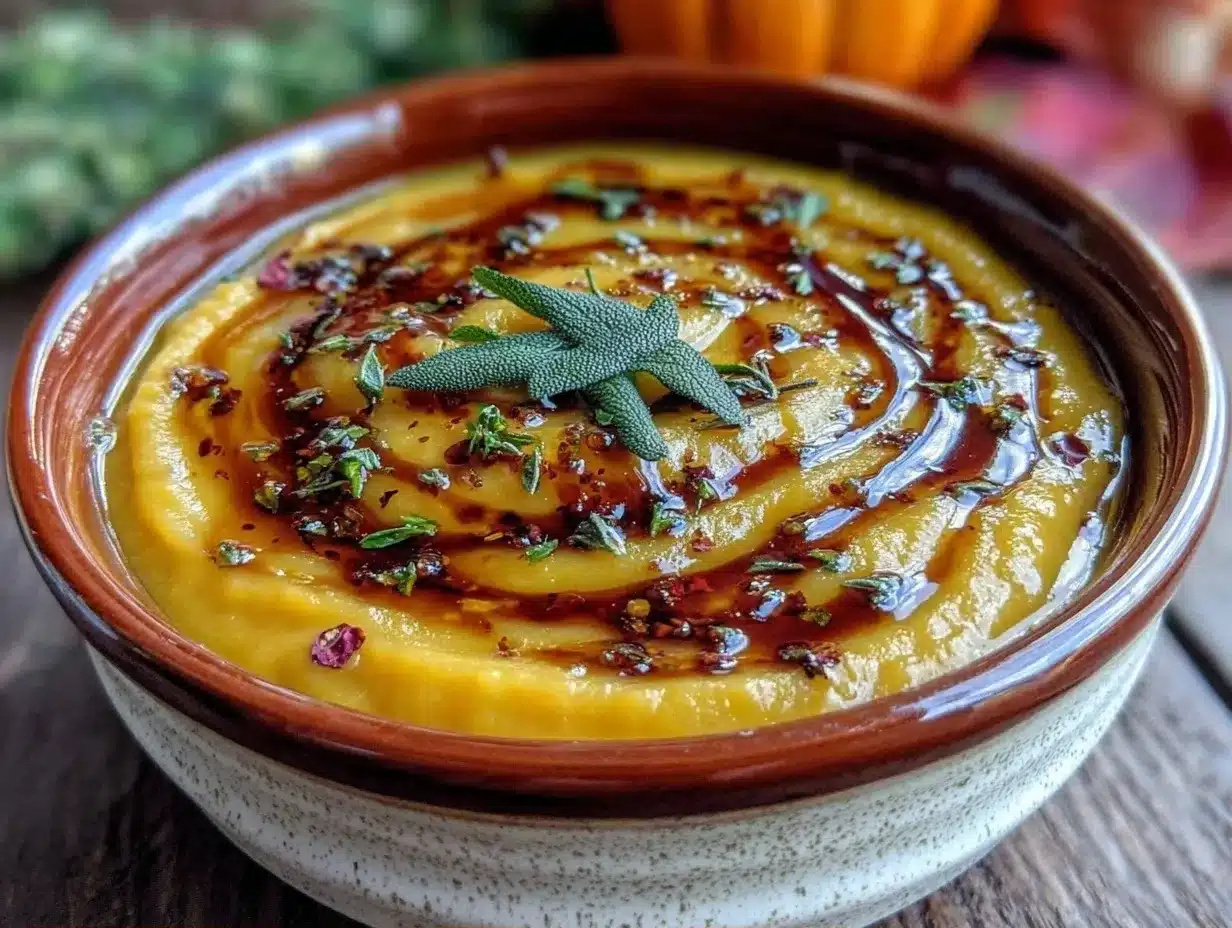
This is the moment. In a small saucepan or skillet, melt the butter over medium heat. Watch it closely. It will foam up, then subside. You’re listening for a change in sound—from a loud sizzle to a quieter, more gentle bubbling. You’re looking for the butter to turn a golden amber color and smell nutty, like hazelnuts. This takes about 3-4 minutes. Immediately toss in the sage leaves. They’ll fry for 10-15 seconds until crispy. Remove from heat instantly so the butter doesn’t burn.
Step 6: Finish and Serve (2 minutes)
Stir the heavy cream (or coconut cream) and maple syrup into the hot soup. Taste and adjust seasoning. Ladle into bowls and drizzle generously with the sage brown butter, including the crispy sage leaves. Top with pumpkin seeds and a pinch of red pepper flakes. Serve immediately.
Expert Tips & Tricks
Here’s everything I’ve learned from making this dozens of times. These tips will save you from my mistakes.
Don’t Skip the Roasting
You can boil the squash, but roasting concentrates the flavor. Boiled squash tastes watery and flat. Roasting brings out the natural sugars and adds a depth that makes the soup taste complex, not just like “squash.” It’s worth the 30 minutes.
The Brown Butter Timing is Critical
Butter goes from perfect to burnt in seconds. Once it starts foaming, stay by the pan. If it smells like burnt toast, start over. Burnt butter ruins the whole soup. If you’re worried, take the pan off the heat when it starts foaming and let the residual heat finish the job.
Save the Seeds
Don’t throw away those squash seeds! Rinse them, toss with a little salt and oil, and roast them at 350°F for 10-15 minutes. They make a perfect, crunchy topping for the soup. It’s free garnish!
Texture Control
If you prefer a chunkier soup, reserve half the roasted squash before blending. Blend the rest, stir the chunky squash back in at the end. It adds a nice texture contrast to the smooth base.
Acidity Balance
Squash is sweet. If your soup tastes too sweet or one-dimensional, add a splash of apple cider vinegar or lemon juice at the end. It brightens the flavor and makes the squash taste more like squash.
Variations & Substitutions
Once you’ve nailed the basic version, here’s how you can mix it up. I’ve tried all of these.
Spicy Version
Add a diced jalapeño with the onions, or stir in a teaspoon of curry powder with the garlic. It adds a warm, spicy kick that pairs well with the sweet squash.
Coconut Curry Squash Soup
Skip the butter and sage. Instead, stir in 2 tablespoons of red curry paste with the onions, and use coconut milk instead of broth. Top with cilantro instead of sage. It’s a completely different vibe but uses the same base.
Apple Cinnamon
Add one diced apple to the roasting pan with the squash. The apples soften and blend in, adding a subtle tartness. Top with a cinnamon-sugar crumble instead of sage butter if you want something sweeter.
Vegetarian/Vegan
Use vegetable broth and coconut cream. Skip the butter topping or use vegan butter. It’s naturally vegan-friendly with these swaps.
Gluten-Free
This recipe is already gluten-free. Just ensure your broth and any add-ins are certified gluten-free.
Serving & Storage
How to Serve:
I usually serve this straight from the pot at the dinner table. It stays warm and looks rustic. Pair it with crusty bread for dipping—maybe try my tailgate everything bagel pull-apart bread for a fun twist. A simple arugula salad with lemon vinaigrette cuts through the richness of the soup.
Storage:
Store leftovers in an airtight container in the fridge for up to 4 days. The soup will thicken as it cools—this is normal. Stir in a splash of broth or water when reheating to loosen it up.
Reheating:
Reheat gently on the stove over low heat, stirring frequently. Do not boil, or the texture might change. Microwave works too, but stir every 30 seconds to prevent hot spots.
Freezing:
This soup freezes well for up to 3 months. Cool completely, then freeze in portions. Thaw in the fridge overnight and reheat gently. Note: if you added cream, it might separate slightly when frozen. Whisk it well when reheating to bring it back together.
Nutrition Information
I’m not a nutritionist, but here’s the breakdown if you’re tracking. Per serving (based on 6 servings, with cream):
- Calories: 180
- Protein: 4g
- Carbs: 22g
- Fiber: 5g
- Sugar: 8g
- Fat: 9g
- Saturated Fat: 4g
Look, this is comfort food. It’s not a diet recipe, but it’s packed with vitamins A and C from the squash. It’s way better than takeout, costs less, and I know exactly what’s in it. When I want to make it lighter, I skip the cream and use less butter. But usually? I just enjoy it.
Final Thoughts
So that’s my go-to roasted butternut squash soup with sage brown butter! I’ve probably talked your ear off at this point, but when you make a recipe this often, you have a lot to say about it. This soup has saved weeknight dinners more times than I can count. It’s my answer to “what’s for dinner” when I’m tired, don’t want takeout, and still want something that tastes really good. My kids are happy, my husband’s happy, and I’m happy because I’m not stressed about cooking.
Make it yours! Try different garnishes, swap in your favorite herbs, or add a splash of sherry vinegar. The best recipes are the ones you adapt to your family’s tastes. If you make this, drop a comment and let me know what you think! I love hearing how recipes turn out in your kitchen. And if something doesn’t work, tell me that too—I’m here to help troubleshoot.
Happy cooking! And I hope your kitchen smells half as good as mine does right now.
Frequently Asked Questions
Can I use frozen butternut squash?
You can, but the texture will be softer and the flavor less concentrated. If you use frozen, skip the roasting step and just thaw it before adding to the pot with the broth. It’ll work, but roasted squash tastes superior.
Why did my brown butter burn?
Butter burns easily because the milk solids brown quickly. Once it turns amber and smells nutty, remove it from the heat immediately. The residual heat will continue to cook it. If it smells like burnt toast, it’s too late—start over.
Can I make this soup ahead of time?
Yes! Make the soup up to 2 days ahead and store in the fridge. Reheat gently before serving. Make the sage brown butter fresh right before serving—it loses its crispness if made ahead.
Why is my soup too thick?
Squash soup thickens as it cools and sits. If it’s too thick, simply stir in more broth or water, a splash at a time, until you reach your desired consistency.
Can I substitute sage with another herb?
Sage is traditional because its piney flavor pairs with the nutty butter. If you hate sage, try thyme or rosemary. They also work well with brown butter, but the flavor profile will be different.
How do I peel a butternut squash easily?
It’s tough! Microwave the whole squash for 2-3 minutes to soften the skin slightly. Then, use a sharp chef’s knife to slice off the ends, stand it up, and slice down the sides to remove the skin. Be careful—squash can be slippery.
Pin This Recipe!
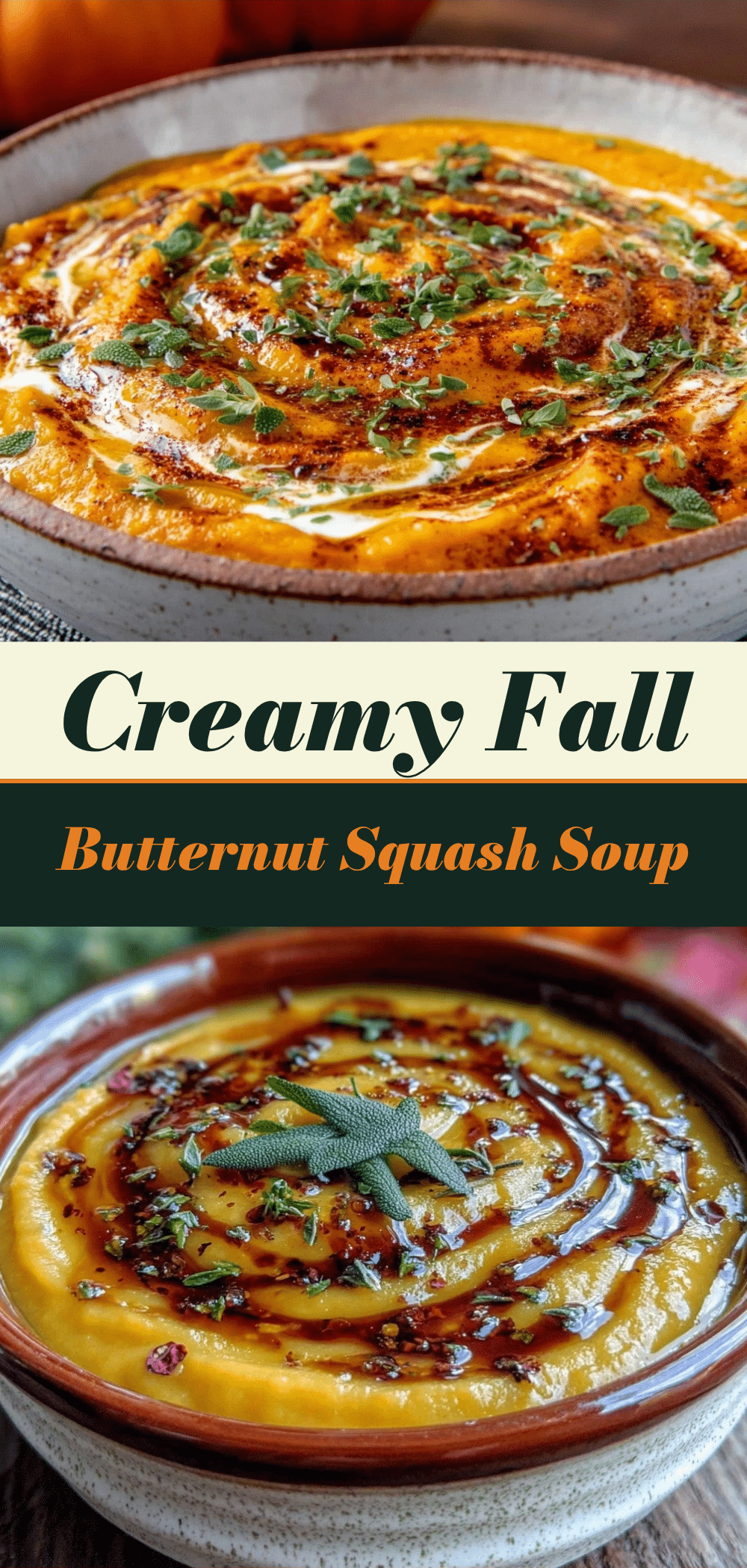

Fall Harvest Roasted Butternut Squash Soup with Sage Brown Butter
- Total Time: 65 minutes
- Yield: 6 servings 1x
Description
A comforting, velvety roasted butternut squash soup made with sage brown butter. This easy one-pot recipe is vegan and gluten-free friendly, perfect for busy weeknights or dinner parties.
Ingredients
- 1 large butternut squash (about 3 lbs / 1.4 kg), peeled and cubed into 1-inch pieces
- 2 tablespoons extra virgin olive oil (plus more for sautéing)
- Sea salt and freshly cracked black pepper
- 1 medium yellow onion, diced
- 4 cloves garlic, minced
- 4 cups vegetable or chicken broth (low-sodium)
- 3 tablespoons unsalted butter
- 12–15 fresh sage leaves
- 2–3 tablespoons heavy cream or coconut cream (optional)
- 1 teaspoon maple syrup
- ¼ teaspoon white pepper (optional)
- 2 tablespoons roasted pumpkin seeds (for garnish)
- Crushed red pepper flakes (for garnish)
Instructions
- Preheat oven to 400°F (200°C). Toss squash cubes with olive oil, salt, and pepper on a parchment-lined baking sheet. Roast for 25-30 minutes until tender and caramelized.
- While squash roasts, heat olive oil in a large Dutch oven over medium heat. Sauté diced onion for 3-4 minutes until soft, then add garlic and cook for 1 minute until fragrant.
- Add roasted squash to the pot with the onions. Pour in broth and bring to a gentle simmer. Cook for 10 minutes to let flavors meld.
- Use an immersion blender to puree the soup directly in the pot until completely smooth. Adjust consistency with more broth if needed.
- In a small saucepan, melt butter over medium heat. Watch closely until it turns golden amber and smells nutty (about 3-4 minutes). Immediately add sage leaves and fry for 10-15 seconds until crispy. Remove from heat.
- Stir heavy cream (or coconut cream) and maple syrup into the hot soup. Season with salt, pepper, and white pepper to taste.
- Ladle soup into bowls. Drizzle generously with sage brown butter and crispy leaves. Top with pumpkin seeds and red pepper flakes. Serve immediately.
Notes
Roasting the squash concentrates flavor compared to boiling. Brown butter burns easily, so stay by the pan and remove from heat immediately once nutty aroma appears. Soup thickens as it cools; add broth when reheating. Freezes well for up to 3 months.
- Prep Time: 20 minutes
- Cook Time: 45 minutes
- Category: Main Course
- Cuisine: American
Nutrition
- Serving Size: 1 bowl
- Calories: 180
- Sugar: 8
- Fat: 9
- Saturated Fat: 4
- Carbohydrates: 22
- Fiber: 5
- Protein: 4
Keywords: butternut squash soup, sage brown butter, fall recipes, vegan soup, gluten-free soup, roasted squash, one pot meal, weeknight dinner