I still remember the first time I made bread pudding. I was twenty-two, living in a tiny apartment with a kitchen that smelled perpetually of burnt toast and desperation. I had bought a loaf of brioche on a whim, planning to make sandwiches for the week. But life got busy, and by Friday, that beautiful, buttery loaf was hard as a rock. Throwing it away felt like a crime against carbs, so I did what any panicked college student would do: I threw it in the trash.
My roommate, a self-proclaimed foodie who actually knew how to cook, walked in and gasped. She didn’t let me dump it. Instead, she dragged me to the counter, grabbed some eggs, milk, and sugar, and said, “We’re making bread pudding.” I was skeptical. How could stale, sad bread possibly become dessert?
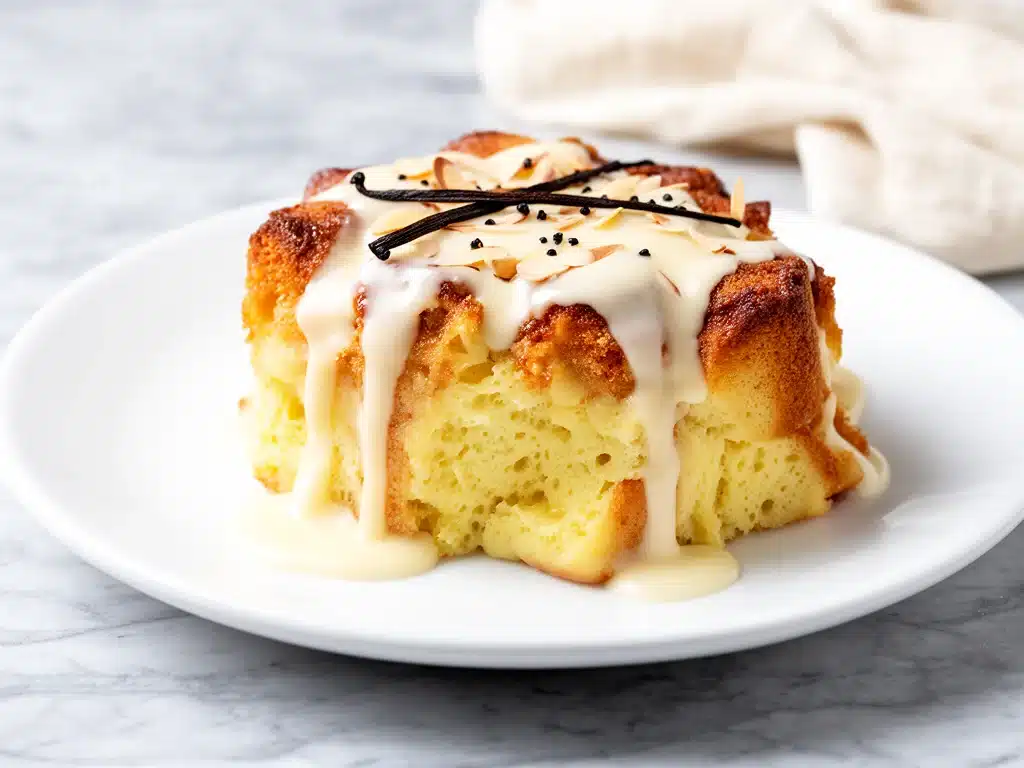
That afternoon, the entire apartment filled with the scent of vanilla, cinnamon, and warm caramel. When we pulled the first batch from the oven, the custard was set but trembling, the top was golden and crisp, and the vanilla sauce was dripping down our forks like liquid gold. I took one bite and honestly, I cried. Not because it was sad, but because it was the best thing I had ever eaten. It was comfort in a bowl.
That moment changed my relationship with food waste. I never threw away stale bread again. Since then, I’ve made this Classic Bread Pudding with Vanilla Sauce dozens of times. It’s become my go-to for rainy Sundays, after big holiday meals when I need something simple but impressive, and whenever I have leftover brioche or challah. It’s the dessert that everyone always asks for, not because it’s complicated, but because it tastes like home. It’s rich, it’s creamy, and it’s impossible to mess up. If you’ve ever stared at a loaf of bread wondering if it’s too old to eat, stop. This recipe is your salvation.
Why You’ll Love This Recipe
There are about ten reasons I keep making this bread pudding, but let’s be real: it’s not just about the taste. It’s about the whole experience. Here’s why this dish has earned a permanent spot in my weekly rotation.
Stupid Simple — Seriously, if you can cube bread and whisk eggs, you can make this. I’ve walked my teenage nephew through it over the phone while I was at work. There’s no chopping, no complex techniques, and no fancy equipment. Just dump, whisk, bake, and pour sauce. It’s the ultimate low-effort, high-reward dessert.
Uses Up Stale Bread — This is the #1 reason I love it. Bread pudding is basically a gourmet way to recycle bread that’s gone hard. The drier the bread, the better it absorbs the custard. I actually let my brioche sit out for two days before making this. It saves money and reduces waste, which feels good.
Lightning Fast Prep — The active cooking time is barely 15 minutes. Most of the time is hands-off soaking and baking. I can throw this together in the morning, let it soak in the fridge while I go to the gym, and pull it out ready for dinner. It’s perfect for busy weeknights when you want something sweet but don’t want to be stuck in the kitchen.
Crowd-Pleaser — I’ve served this to picky eaters, food snobs, and everyone in between. My dad, who usually only likes chocolate cake, asks for this specifically. The vanilla sauce is the game-changer here. It’s not just sweet; it’s rich and silky, cutting through the texture of the bread perfectly. Everyone loves it.
Makes Amazing Leftovers — And yes, it tastes even better the next day. The flavors meld together overnight, making the pudding richer and the bread softer. I deliberately make a big batch on Sunday because I know I’ll be eating it for breakfast on Monday morning. It’s basically breakfast and dessert in one.
This is my go-to when I need a dessert that just works. No fancy decorations, no tempering chocolate, no stress. Just reliable, delicious food that makes everyone happy and leaves your kitchen smelling like a bakery.
Ingredients You’ll Need
Here’s the best part: you probably have most of these ingredients already. This isn’t a recipe that requires a special trip to the store. It’s pantry-friendly and uses simple, wholesome ingredients. I’m particular about three things here—the bread, the vanilla, and the butter—and I’ll tell you exactly why.
For the Pudding Base
Stale Bread (1 loaf, about 12-16 cups cubed / 300-400g) — This is the star. I use brioche or challah because they’re rich and buttery, which makes the pudding luxuriously soft. You can use any bread, but avoid soft sandwich bread unless it’s completely dried out. The bread needs to be dry enough to soak up the custard without turning into mush. If your bread is fresh, leave the cubes on a baking sheet overnight to air dry.
Unsalted Butter (3 tablespoons / 45g) — Melted. I use unsalted so I can control the saltiness. If you only have salted butter, reduce the added salt in the custard by half. The butter adds richness to the custard.
Whole Milk (2 cups / 480ml) — Full-fat milk is best here. It creates a creamy, rich custard. If you want it lighter, you can use half-and-half, but it will be thicker. I stick with whole milk for that classic, indulgent texture.
Heavy Cream (1 cup / 240ml) — This is what gives the pudding its luxurious mouthfeel. Don’t skip it. If you’re trying to cut calories, you can use more milk and less cream, but the texture will be less silky. I don’t compromise on the cream.
Eggs (4 large) — Room temperature eggs mix better into the custard. They provide the structure that sets the pudding. Don’t use small or medium eggs; stick to large for the right ratio.
Granulated Sugar (3/4 cup / 150g) — This sweetens the custard. I like it moderately sweet, but if you have a sweet tooth, bump it up to 1 cup. The vanilla sauce adds more sweetness, so balance it accordingly.
Vanilla Extract (2 teaspoons) — Use pure vanilla extract, not imitation. I know it’s more expensive, but the flavor difference is massive. Imitation vanilla tastes chemical and flat. Pure vanilla makes this pudding taste expensive.
Cinnamon (1 teaspoon) — Ground cinnamon adds warmth and depth. It’s a classic pairing with vanilla and bread. If you’re not a fan of cinnamon, you can skip it, but I highly recommend it.
Salt (½ teaspoon) — Just a pinch to balance the sweetness. It wakes up all the other flavors. Don’t skip the salt.
For the Vanilla Sauce
Heavy Cream (1 cup / 240ml) — For the sauce, you need heavy cream to get that pourable, silky consistency. Half-and-half won’t thicken enough.
Butter (2 tablespoons / 30g) — Adds richness and helps emulsify the sauce.
Granulated Sugar (1/2 cup / 100g) — Sweetens the sauce. Adjust to taste.
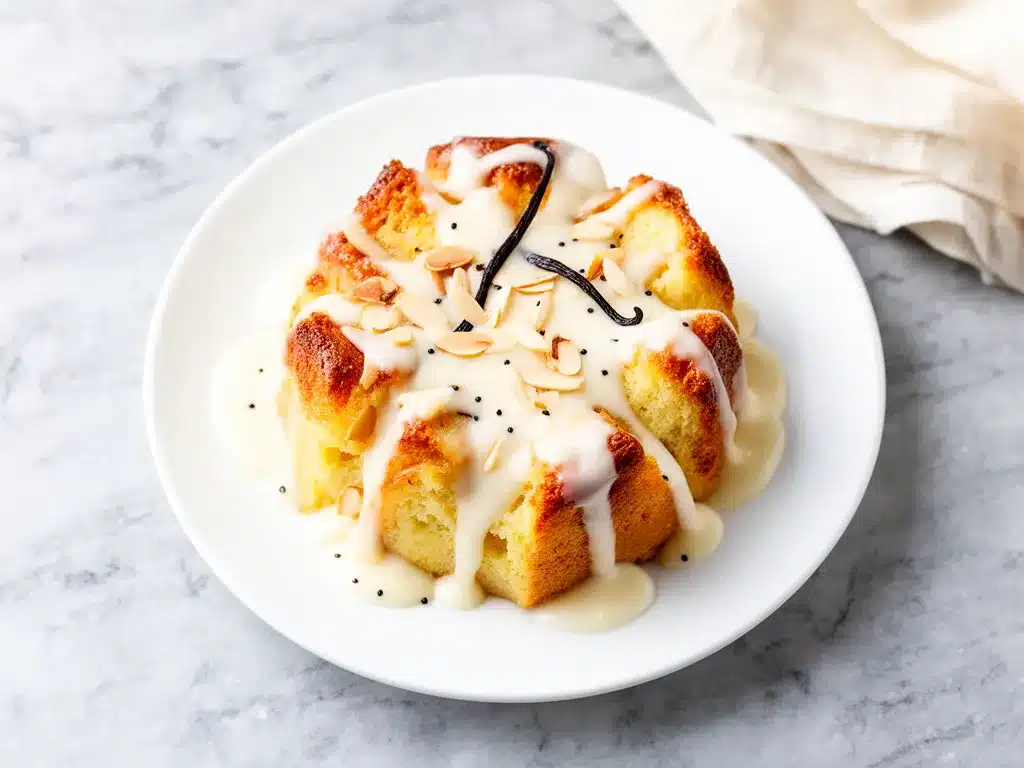
Vanilla Bean Paste (1 tablespoon) — Or use 1 teaspoon of high-quality vanilla extract. Vanilla bean paste has those little black specks that look gorgeous in the sauce and adds a deeper flavor. If you don’t have it, extract works fine.
Cornstarch (1 teaspoon) — This thickens the sauce so it coats the back of a spoon. It’s optional if you like a thinner sauce, but I like it slightly thickened for drizzling.
Pinch of Salt — Again, just to balance the sweetness.
Optional Add-ins
Chocolate Chips (1/2 cup) — I sometimes fold in semi-sweet chocolate chips before baking. They melt into pockets of gooey goodness. If you’re a chocoholic, this is a must.
Chopped Nuts (1/2 cup) — Pecans or walnuts add a nice crunch. I sprinkle them on top before baking for a bit of texture contrast.
Dried Fruit (1/2 cup) — Raisins or chopped apricots work well. I used to love raisins in my bread pudding as a kid, and I still think they add a nice chewy element.
Equipment Needed
You don’t need fancy equipment for this. Here’s what I actually use.
9×13 Inch Baking Dish — I use a ceramic or glass dish. It distributes heat evenly. A metal pan works too, but watch the edges so they don’t burn.
Large Mixing Bowl — Something big enough to whisk all the custard ingredients together. I use a 4-quart bowl.
Whisk — For mixing the custard. A balloon whisk works best to incorporate air and break up the eggs.
Knife and Cutting Board — For cubing the bread. A serrated knife is best for slicing through crusty bread.
Saucepan — For making the vanilla sauce. A small saucepan with a thick bottom prevents scorching.
Measuring Cups and Spoons — Standard stuff. Dollar store versions work fine.
Spatula — For stirring the sauce and scraping the bowl.
Optional but nice:
– Pastry Brush — For brushing melted butter on top of the bread before baking. Gives it a nice sheen.
– Ice Cream Scoop — For portioning out the bread cubes if you’re using soft bread. Makes uniform cubes.
How to Make It: Step-by-Step
Alright, let’s make this! I’m walking you through exactly how I do it, including the little tricks I’ve picked up over the years.
Step 1: Prep the Bread (5 minutes)
If your bread is fresh, cube it and spread it out on a baking sheet. Leave it on the counter overnight to dry out. If it’s already stale, just cube it. You want about 12-16 cups of cubes. Toss them into your 9×13 baking dish. Don’t pack them in; just let them sit loosely. The bread needs room to soak.
Step 2: Make the Custard (5 minutes)
In your large mixing bowl, whisk together the eggs, milk, heavy cream, sugar, vanilla extract, cinnamon, and salt. Whisk until the sugar is mostly dissolved and the mixture is uniform. It should look like pale yellow milk. Don’t worry if it’s a little frothy.
Step 3: Combine Bread and Custard (5 minutes)
Pour the custard evenly over the bread cubes. Use your hands or a spatula to gently press down on the bread, making sure every piece gets soaked. If some pieces are sticking out, push them down. Let it sit for at least 30 minutes. This is crucial. The bread needs time to absorb the liquid. If you’re short on time, let it sit in the fridge for up to 4 hours. This step ensures the pudding is creamy inside, not soggy.
Step 4: Bake the Pudding (45-50 minutes)
Preheat your oven to 350°F (175°C). If you’re adding butter on top, dot it over the bread now. Bake for 45-50 minutes. The top should be golden brown and puffed up. The center should be set but still have a slight jiggle. If the top is browning too fast, cover it loosely with foil after 30 minutes. Don’t overbake it, or it will become dry and eggy.
Step 5: Make the Vanilla Sauce (15 minutes)
While the pudding bakes, make the sauce. In a small saucepan, combine the heavy cream, butter, sugar, vanilla, cornstarch, and salt. Heat over medium heat, stirring constantly. Bring it to a gentle simmer. Once it bubbles, let it cook for 2-3 minutes until it thickens slightly. It should coat the back of a spoon. Remove from heat and stir in the vanilla bean paste or extract. Taste and adjust sweetness if needed.
Step 6: Serve
Let the pudding cool for 10 minutes before serving. This helps it set slightly so it’s easier to scoop. Serve warm, with a generous drizzle of vanilla sauce. Add a scoop of vanilla ice cream if you’re feeling extra indulgent. The contrast of warm pudding and cold ice cream is divine.
Total Time: About 1 hour 15 minutes (20 minutes active, 55 minutes baking/soaking)
Expert Tips & Tricks
Here’s everything I’ve learned from making this dozens of times. These tips will save you from my mistakes.
Use Day-Old Bread
This is the #1 tip. Fresh bread turns to mush. Stale bread absorbs custard like a sponge. If you’re planning ahead, buy the bread a day early. If you forgot, cube it and toast it in the oven at 300°F for 10 minutes to dry it out.
Don’t Skip the Soak
I know it’s tempting to bake it right away, but the soak time is non-negotiable. It ensures the bread is fully saturated and the pudding cooks evenly. If you rush this step, you’ll get dry spots and soggy spots. 30 minutes is the minimum. Overnight is best.
Watch the Oven
Ovens vary. Check the pudding at 40 minutes. If the top is dark but the center is still liquid, cover it with foil. If the center is set but the top is pale, leave it in a few more minutes. The goal is a golden, crisp top and a creamy, custardy interior.
Make the Sauce Ahead
The vanilla sauce can be made up to 3 days ahead. Store it in the fridge. It will thicken when cold, so just warm it gently on the stove or in the microwave, adding a splash of milk if it’s too thick. This saves time on busy nights.
Common Mistakes (and how to avoid them):
– Mistake: Pudding is watery
Fix: You didn’t soak it long enough, or you used too much liquid. Make sure the bread is dry and the ratio of bread to custard is right.
– Mistake: Pudding is dry and eggy
Fix: You overbaked it. Remove it from the oven when the center still jiggles slightly. It will continue to cook from residual heat.
– Mistake: Sauce is lumpy
Fix: You didn’t whisk the cornstarch enough, or the heat was too high. Whisk constantly and keep the heat medium-low.
Pro Tricks I’ve Learned:
– For Extra Flavor
Add a pinch of nutmeg or cardamom to the custard. It adds a subtle warmth that complements the vanilla beautifully.
– For Better Texture
Add a handful of chopped pecans on top before baking. They get toasted and crunchy, adding a nice contrast to the soft pudding.
Variations & Substitutions
Once you’ve nailed the basic version, here’s how you can mix it up. I’ve tried all of these.
Chocolate Chip Bread Pudding
Fold 1/2 cup of semi-sweet chocolate chips into the bread before pouring the custard. The chocolate melts into gooey pockets. This is my personal favorite variation.
Cinnamon Raisin
Add 1/2 cup of raisins and increase the cinnamon to 1.5 teaspoons. This is a classic combination that reminds me of my grandmother’s kitchen.
Coconut Bread Pudding
Replace the milk with coconut milk and add 1/2 cup of shredded coconut to the bread. Top with toasted coconut flakes after baking. It’s tropical and delicious.
Whiskey Bread Pudding
Add 2 tablespoons of bourbon or rum to the custard. The alcohol cooks off, leaving a rich, complex flavor. Great for adult gatherings.
Dietary Modifications:
– Gluten-Free
Use gluten-free bread. Make sure it’s sturdy enough to hold up to soaking. Gluten-free bread can be crumbly, so handle it gently.
– Dairy-Free
Use coconut milk and dairy-free butter. The sauce will be slightly different in texture, but still tasty. My lactose-intolerant friend loves this version.
Serving & Storage
How to Serve:
I usually serve this straight from the baking dish at the dinner table—it looks rustic and stays warm. But here are other ways I’ve enjoyed it:
Side Dishes:
– Simple Green Salad
A light salad with a vinaigrette cuts through the richness of the pudding.
– Roasted Berries
Warm strawberries or raspberries add a tart contrast to the sweet pudding.
Toppings Bar:
When I have guests, I put out: vanilla ice cream, whipped cream, extra vanilla sauce, and chopped nuts. Everyone customizes their bowl.
Storage Instructions:
– Refrigerator:
Store leftovers in an airtight container for up to 4 days. The pudding will firm up in the fridge, which is normal.
– Reheating:
Best method: Microwave individual portions for 30-60 seconds. The sauce can be warmed in a saucepan over low heat.
– Freezing:
Bread pudding freezes well. Wrap individual portions tightly in plastic wrap and foil. Freeze for up to 3 months. Thaw in the fridge overnight and reheat.
Pro tip:
If the pudding seems dry after reheating, add a splash of milk or cream before microwaving. It brings back the moisture.
Nutrition Information
I’m not a nutritionist, but here’s the breakdown if you’re tracking.
Per Serving (based on 8 servings):
– Calories: 380
– Protein: 8g
– Carbs: 45g
– Fiber: 1g
– Sugar: 22g
– Fat: 18g
– Saturated Fat: 10g
– Cholesterol: 110mg
– Sodium: 220mg
– Calcium: 120mg
What’s Good:
– Decent Protein: From the eggs and milk.
– Calcium: From the dairy.
– Comfort Food: It’s satisfying and filling.
What to Know:
– Higher in Calories: From the cream, butter, and sugar.
– Contains Dairy and Gluten: Not suitable for vegans or those with gluten intolerance without modifications.
My Take:
Look, this is dessert. It’s sweet, rich, and indulgent. It’s not a health food. But it’s better than store-bought cake, and it’s made with simple ingredients. When I want to make it lighter, I use less sugar and more fruit. But usually? I just eat a reasonable portion and enjoy it. Life’s too short to deny yourself bread pudding.
Final Thoughts
So that’s my classic bread pudding with vanilla sauce! I’ve probably talked your ear off at this point, but when you make a recipe this often, you have a lot to say about it.
This has saved me from dessert disasters more times than I can count. It’s my answer to “what’s for dessert?” when I’m tired, don’t want to bake something complicated, and still want something that tastes really good. My family is happy, my friends are happy, and I’m happy because I’m not stressed about cooking.
Make it yours! Try different add-ins, swap in your favorite spices, or adjust the sweetness. The best recipes are the ones you adapt to your family’s tastes.
If you make this, drop a comment and let me know what you think! I love hearing how recipes turn out in your kitchen. And if something doesn’t work, tell me that too—I’m here to help troubleshoot.
Happy baking! And I hope your kitchen smells half as good as mine does right now.
Frequently Asked Questions
Can I use sandwich bread?
You can, but it needs to be completely stale. Fresh sandwich bread will turn into mush. Cube it and toast it in the oven at 300°F for 10-15 minutes to dry it out before using. Brioche or challah is better because it’s richer, but stale white bread works in a pinch.
Can I make this ahead of time?
Yes! This is actually better when made ahead. Assemble the pudding the night before, cover it, and let it soak in the fridge overnight. Bake it the next day. This saves time in the morning and ensures the bread is fully saturated. The vanilla sauce can also be made ahead and stored in the fridge.
Why did my bread pudding turn out watery?
Usually, this means the bread didn’t absorb enough custard. Make sure the bread is stale and dry. Also, ensure you’re using the right ratio of bread to liquid. If the bread is too dense, it won’t soak up the liquid. Let it soak for at least 30 minutes, or overnight.
Can I freeze bread pudding?
Yes, bread pudding freezes well. Wrap individual portions tightly in plastic wrap and foil. Freeze for up to 3 months. Thaw in the fridge overnight and reheat in the microwave or oven. The texture might be slightly softer, but it’s still delicious.
Can I use vanilla extract instead of vanilla bean paste?
Yes, vanilla extract works fine. Use 1 teaspoon of extract for every tablespoon of paste. The flavor will be slightly less intense, and you won’t get the pretty black specks, but it will still taste great.
How do I reheat leftovers without it getting dry?
Add a splash of milk or cream to the pudding before reheating. Microwave it in short bursts (30 seconds) and stir in between. This adds moisture back into the pudding. If you’re reheating the whole dish, cover it with foil to trap steam.
Can I double this recipe?
Absolutely! Double everything and use a larger baking dish (like a 9×13 instead of an 8×8). The cooking time might increase by 5-10 minutes. Check for doneness with a knife test.
Pin This Recipe!

Classic Bread Pudding with Vanilla Sauce
- Total Time: 1 hour 15 minutes
- Yield: 8 servings 1x
Description
A rich, creamy, and easy-to-make dessert that transforms stale bread into a luxurious custard treat, served with a silky homemade vanilla sauce.
Ingredients
- 1 loaf stale bread (brioche or challah), cubed (12–16 cups / 300-400g)
- 3 tablespoons unsalted butter, melted
- 2 cups whole milk
- 1 cup heavy cream
- 4 large eggs, room temperature
- 3/4 cup granulated sugar
- 2 teaspoons pure vanilla extract
- 1 teaspoon ground cinnamon
- 1/2 teaspoon salt
- 1 cup heavy cream (for sauce)
- 2 tablespoons butter (for sauce)
- 1/2 cup granulated sugar (for sauce)
- 1 tablespoon vanilla bean paste (or 1 tsp vanilla extract)
- 1 teaspoon cornstarch
- Pinch of salt (for sauce)
Instructions
- Preheat oven to 350°F (175°C).
- Cube the stale bread and place it loosely in a 9×13 inch baking dish.
- In a large mixing bowl, whisk together eggs, milk, heavy cream, sugar, vanilla extract, cinnamon, and salt until uniform.
- Pour the custard evenly over the bread cubes. Press down gently to ensure all bread is soaked.
- Let the mixture sit for at least 30 minutes (or up to 4 hours in the fridge) to allow the bread to absorb the liquid.
- Bake for 45-50 minutes until the top is golden brown and the center is set but still has a slight jiggle. Cover with foil if browning too quickly.
- While the pudding bakes, make the sauce: In a small saucepan, combine heavy cream, butter, sugar, vanilla, cornstarch, and salt.
- Heat the sauce over medium heat, stirring constantly, until it simmers and thickens slightly (2-3 minutes). Remove from heat.
- Let the pudding cool for 10 minutes before serving warm with the vanilla sauce drizzled on top.
Notes
Use day-old or toasted stale bread to prevent mushiness. Do not skip the soaking time to ensure even texture. The vanilla sauce can be made ahead and stored in the fridge for up to 3 days. Leftovers can be frozen for up to 3 months.
- Prep Time: 20 minutes
- Cook Time: 45-50 minutes
- Category: Dessert
- Cuisine: American
Nutrition
- Serving Size: 1 slice with sauce
- Calories: 380
- Sugar: 22
- Sodium: 220
- Fat: 18
- Saturated Fat: 10
- Carbohydrates: 45
- Fiber: 1
- Protein: 8
Keywords: bread pudding, vanilla sauce, dessert, stale bread recipe, comfort food, easy baking, brioche pudding