Last October, I stood in my kitchen at 6:30 PM, staring at a pile of unopened grocery bags and a very tired-looking toddler who had just decided that dinner time was the perfect moment to start a meltdown. The rain was hammering against the windows, the house was cold, and I was absolutely done with the idea of cooking anything that required chopping more than three vegetables. I opened my fridge and found a bag of bruised tomatoes that were starting to get soft, a head of garlic that had seen better days, and a bunch of basil that was wilting in the crisper drawer.
I could have ordered takeout. I could have made grilled cheese and called it a day. But I was also trying to stick to our family’s grocery budget, which was already taking a hit from back-to-school supplies. So, I did what I always do when I’m tired and broke: I threw everything into a roasting pan.
I sliced those sad tomatoes, quartered the garlic cloves (skin on, because who has time to peel?), and tossed it all with olive oil, salt, and pepper. I shoved it into the oven and let the heat do the work while I helped my toddler with homework. Twenty minutes later, the whole house smelled like a cozy Italian bistro. When I poured that deep red, glossy soup into bowls, my son stopped crying just long enough to ask for more bread.
This fall roasted fresh tomato soup with garlic and basil has been our savior for three autumns now. It’s better than takeout, it costs a fraction of the price, and it actually tastes like it came from a restaurant. I’ve made this recipe at least fifteen times since that rainy night, tweaking the garlic ratio and the roasting time until it was perfect. It’s the kind of meal that makes you feel like a gourmet chef without spending an hour at the stove.
Why You’ll Love This Roasted Tomato Soup Recipe
There are about ten reasons I keep making this soup, but here are the big ones that keep it in our weekly rotation.
- Stupid Simple — Seriously, if you can slice a tomato and press “start” on your oven, you can make this. I’ve made this while helping my kids with math homework. The oven does 90% of the work.
- Uses Up Bruised Produce — This is the best way to use those tomatoes that are getting soft in the back of the fridge. Roasting concentrates their flavor, so bruised tomatoes actually taste *better* here than fresh ones. It’s zero waste cooking.
- Budget-Friendly — I feed four people for under $8. That’s less than one delivery fee plus tip. I buy tomatoes when they’re on sale or pick up the “ugly” bin at the grocery store.
- Freezer-Friendly — This soup freezes beautifully. I make a double batch on Sundays and freeze portions in mason jars for busy weeknights. It’s my secret weapon when I have no energy left.
- Kid-Approved — My picky eater, who usually refuses anything with “too many ingredients,” asks for this soup weekly. The roasted garlic adds sweetness that kids love, and the basil is mild enough to not be off-putting.
- Comforting and Warming — There is nothing like a hot bowl of tomato soup on a cold fall evening. It’s like a hug in a bowl. Perfect for pairing with the fall pumpkin spice latte with homemade maple syrup for a cozy weekend treat.
This is my go-to when I need dinner to just work. No complicated techniques, no weird ingredients, just reliable, delicious food that makes everyone happy and leaves money in my pocket.
Ingredients You’ll Need
Here’s the best part: you probably have most of this already. This isn’t a recipe that requires a trip to three different specialty stores.
For the Roasted Base
Tomatoes (3 pounds / 1.4kg) — I use Roma or plum tomatoes because they have less water and more flavor. If you have vine-ripened beefsteak tomatoes from a farmer’s market, even better. Look for ones that are red all the way through, even if they’re a bit soft. Avoid the green ones.
Garlic (1 whole head / about 10-12 cloves) — Yes, a whole head. Don’t be scared. Roasting mellows the garlic out completely, making it sweet and nutty. Keep the cloves in their skins during roasting to prevent them from burning.
Onion (1 large yellow onion, quartered) — This adds depth. You don’t need to dice it; just quarter it with the skin on. The skin adds color, and you’ll remove it later. If you don’t have yellow onions, white or red work too, but yellow is sweeter.
Olive Oil (3 tablespoons) — Use a decent quality extra virgin olive oil. You don’t need the expensive stuff, but don’t use the cheapest stuff either. It’s the main fat source, so it matters.
Thyme (2 sprigs fresh or 1 teaspoon dried) — Thyme is the classic partner to tomato. I always keep dried thyme stocked. If you don’t have it, oregano works as a substitute.
Salt and Black Pepper — Kosher salt is best because it’s easier to control. Use plenty of pepper; it adds a nice bite.
For the Soup Body
Vegetable Broth (2 cups / 480ml) — I use low-sodium so I can control the saltiness. Chicken broth works too, or even water in a pinch, but broth adds more flavor. I keep a few cartons of low-sodium broth in the pantry just for soups like this.
Heavy Cream or Coconut Milk (½ cup / 120ml) — For creaminess. I use heavy cream because it’s what we have, but coconut milk makes it dairy-free and adds a nice tropical note that pairs well with the basil. If you want it lighter, use half-and-half.
Fresh Basil (1 cup, packed / about 30 leaves) — This is non-negotiable. Dried basil doesn’t have the same bright, peppery flavor. Buy a fresh bunch, chop it up, and stir it in at the very end. If you have a basil plant on your windowsill, this is the time to harvest it.
Balsamic Vinegar (1 tablespoon) — This is the secret weapon. It adds a tangy sweetness that balances the acidity of the tomatoes. I always keep a bottle of good balsamic vinegar, though any decent brand works.
Red Pepper Flakes (½ teaspoon) — Optional, but I like a little kick. It wakes up the flavor profile. If you’re serving kids, leave it out or add it to their individual bowls.
Equipment Needed
You don’t need fancy equipment for this. Here’s what I actually use.
Large Roasting Pan or Sheet Pan — I use a 9×13 inch baking dish. It needs to be big enough to hold the tomatoes and onions in a single layer. If you don’t have one, two sheet pans work fine, but you’ll need to roast in two batches.
Immersion Blender or Standard Blender — An immersion blender makes this so much easier because you don’t have to transfer hot soup to a blender. I use my Vitamix immersion blender, but any stick blender works. If you use a standard blender, be careful—hot soup expands and can blow the lid off. Blend in batches and vent the lid.
Large Pot or Dutch Oven — You’ll need something to simmer the soup in after roasting. A 6-quart pot is perfect. My heavy-bottomed pot prevents scorching.
Knife and Cutting Board — For slicing the tomatoes and onions. A sharp knife makes this faster and safer.
Measuring Cups and Spoons — Standard stuff. Dollar store versions work fine.
Mason Jars (Optional) — For storing leftovers or freezing. I use wide-mouth quart jars. Leave an inch of headspace at the top if freezing.
How to Make It: Step-by-Step
Alright, let’s make this! I’m walking you through exactly how I do it, including the little tricks I’ve picked up.
Step 1: Prep the Vegetables (10 minutes)
Preheat your oven to 400°F (200°C). Wash the tomatoes and pat them dry. Slice them in half lengthwise. If they’re large, quarter them. Quarter the onion (keep the root end intact so it doesn’t fall apart). Peel the garlic cloves, or leave them in their skins if you prefer (I leave them in for easier cleanup, but peel them before blending).
Place the tomatoes, onions, and garlic in your roasting pan. Drizzle generously with olive oil. Sprinkle with salt, pepper, and dried thyme. Toss everything with your hands to coat. The tomatoes should look shiny and well-seasoned.
Step 2: Roast Until Caramelized (30-40 minutes)
Put the pan in the oven. Roast for 30-40 minutes, until the tomatoes are soft, wrinkled, and starting to brown at the edges. The onions should be tender and slightly charred. The garlic cloves should be soft and golden. This caramelization is what gives the soup its deep, rich flavor. Don’t rush this step—browning is where the magic happens.
Once done, remove from the oven. If you left the garlic skins on, squeeze the cloves out now. They should slip right out like butter.
Step 3: Simmer the Soup (15 minutes)
Transfer the roasted vegetables into your large pot. Pour in the vegetable broth. Bring to a simmer over medium heat. Let it cook for about 10-15 minutes to let the flavors meld. The broth will reduce slightly and pick up all the roasted goodness from the pan.
If you used a roasting pan, you can scrape up all the browned bits from the bottom—that’s pure flavor. Add the balsamic vinegar and red pepper flakes now.
Step 4: Blend Until Smooth
Remove from heat. Let it cool for a few minutes. Using an immersion blender, blend the soup directly in the pot until smooth. If using a standard blender, blend in batches until smooth. Be careful with the hot liquid.
Stir in the heavy cream (or coconut milk). Taste and adjust seasoning. Need more salt? Add it. Too acidic? Add a pinch of sugar. Too thick? Add a splash more broth.
Step 5: Finish with Basil
Take the pot off the heat completely. Stir in the fresh chopped basil. The residual heat will wilt the basil just enough to release its aroma without cooking the flavor out. This is crucial—don’t boil the basil.
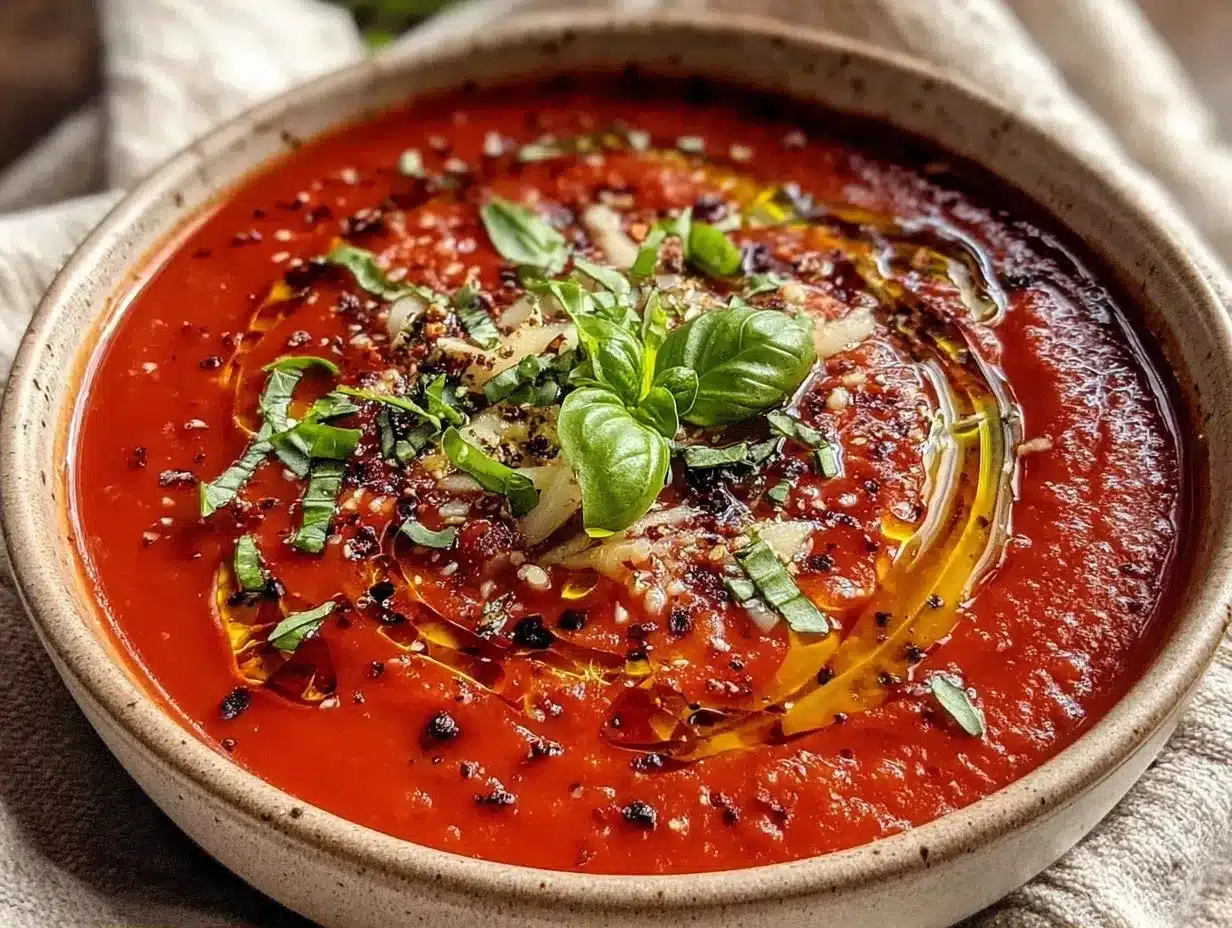
Serve immediately with crusty bread, grilled cheese sandwiches, or the fall harvest roasted butternut squash soup with sage brown butter if you want to compare flavors. It’s delicious on its own, too.
Expert Tips & Tricks
Here’s everything I’ve learned from making this dozens of times. These tips will save you from my mistakes.
Roast Until It Looks “Bad”
Don’t pull the tomatoes out when they’re just soft. Wait until they’re wrinkled and browning. That’s where the sweetness comes from. Pale, soft tomatoes make a bland soup. Dark, caramelized tomatoes make a rich one.
Don’t Skip the Garlic
I know it sounds like a lot, but roasted garlic is sweet and mild. It adds a creamy texture and depth that salt alone can’t achieve. If you’re sensitive to raw garlic, roasting makes it perfectly digestible.
Save the Pasta Water (Metaphorically)
Just like with pasta, the starchy, browned bits from the roasting pan are gold. Scrape them all into the pot when you add the broth. Don’t let them go to waste.
Blend Carefully
If using a blender, fill it only halfway. Hot soup expands rapidly. Place a towel over the lid and hold it down while blending. Start on low speed and gradually increase. This prevents explosions in your kitchen.
Acidity Balance
Tomatoes can be acidic. If your soup tastes sharp or metallic, add a teaspoon of sugar or a splash of balsamic vinegar. It’s a common fix that makes a huge difference.
Make-Ahead Strategy
This soup tastes even better the next day. The flavors have time to meld. I often roast the vegetables on Sunday, blend them, and store them in the fridge. On Wednesday, I just heat it up and stir in the cream and basil. It’s a lifesaver.
Variations & Substitutions
Once you’ve nailed the basic version, here’s how you can mix it up. I’ve tried all of these.
Spicy Tomato Soup
Add 1 diced jalapeño or 1 teaspoon of cayenne pepper when you roast the vegetables. This is great if you like a kick. My husband adds this version when he’s feeling adventurous.
Roasted Red Pepper Version
Swap half the tomatoes for roasted red peppers. Adds a smoky sweetness. I use jarred roasted peppers for convenience, but fresh roasted ones are even better.
Coconut Curry Tomato Soup
Add 1 teaspoon of curry powder and 1 teaspoon of turmeric to the roasting pan. Use coconut milk instead of cream. This is a totally different vibe—creamy, spicy, and exotic.
Lighter Version
Skip the cream and use less olive oil. Add a potato to the roasting pan—the starch will thicken the soup naturally. It’s still creamy but with fewer calories. I make this when I’m watching my intake.
Vegan Option
Use vegetable broth and coconut milk instead of cream. Everything else is naturally vegan. My vegan friend loves this version, especially with a dollop of coconut yogurt on top.
Gluten-Free
This recipe is naturally gluten-free. Just make sure your broth is certified gluten-free. I serve it with gluten-free crackers or bread.
Serving & Storage
How to Serve:
I usually serve this straight from the pot at the dinner table—it looks rustic and stays warm. But here are other ways I’ve enjoyed it:
- Crusty Bread — Essential. Dip it, toast it, rub it with garlic. I can’t have one without the other.
- Grilled Cheese — The classic combo. I use cheddar and gruyère for a fancy touch, but American cheese works too.
- Croutons — Homemade croutons are great, but store-bought works in a pinch.
- Crème Fraîche or Sour Cream — A dollop on top adds a tangy contrast.
- Fresh Basil Leaves — Garnish with a whole leaf for color.
Storage Instructions:
Refrigerator: Store in an airtight container for up to 5 days. The soup will thicken in the fridge—totally normal. Just add a splash of broth or water when reheating.
Freezing: This soup freezes beautifully for up to 3 months. Cool completely, then pour into freezer-safe containers or mason jars. Leave 1 inch of headspace. Thaw in the fridge overnight and reheat gently. Do not freeze if you’ve added cream; add fresh cream when reheating.
Reheating: Best method: Add to a pot over low heat, stirring frequently. If it’s too thick, add broth. Microwave works too, but stir every minute to prevent hot spots. Never boil vigorously, or the soup might separate.
Pro Tip: Double the batch. This soup is cheap to make and easy to freeze. I always make two pans of roasted vegetables so I have soup ready for busy weeks. It’s my budget hack for stress-free dinners.
Nutrition Information
I’m not a nutritionist, but here’s the breakdown if you’re tracking. Per serving (based on 6 servings, with cream):
- Calories: 180
- Protein: 4g
- Carbs: 18g
- Fiber: 4g
- Sugar: 10g (natural from tomatoes)
- Fat: 10g
- Sodium: 350mg (varies by broth)
What’s Good: High in lycopene (an antioxidant from tomatoes), vitamin C, and fiber. It’s a nutritious way to get your veggies in. The calories are moderate, mostly from the cream and olive oil.
What to Know: If you use high-sodium broth, the sodium count will be higher. Use low-sodium broth to keep it in check. This is not a low-carb recipe, but it’s whole-food based and minimally processed.
My Take: Look, this is comfort food. It’s not a diet recipe, but it’s way better than canned soup or takeout. It’s real food, simple ingredients, and it makes you feel good. When I want to make it lighter, I skip the cream and add more veggies. But usually? I just enjoy a bowl and call it a healthy dinner.
Final Thoughts
So that’s my go-to fall roasted tomato soup! I’ve probably talked your ear off at this point, but when you make a recipe this often, you have a lot to say about it. This has saved weeknight dinners more times than I can count. It’s my answer to “what’s for dinner” when I’m tired, don’t want takeout, and still want something that tastes really good.
My kids are happy, my husband’s happy, and I’m happy because I’m not stressed about cooking. Plus, it’s cheap. Really cheap. That’s a win in my book.
Make it yours! Try different herbs, add some spice, or swap the cream for coconut milk. The best recipes are the ones you adapt to your family’s tastes. If you make this, drop a comment and let me know what you think! I love hearing how recipes turn out in your kitchen. And if something doesn’t work, tell me that too—I’m here to help troubleshoot.
Happy cooking! And I hope your kitchen smells half as good as mine does right now.
Frequently Asked Questions
Can I use canned tomatoes instead of fresh?
You can, but fresh roasted tomatoes have a much deeper, sweeter flavor. If you use canned, I recommend using high-quality San Marzano tomatoes. Roast them with the garlic and onions anyway to get that caramelized flavor. It won’t be exactly the same, but it will still be delicious. I’ve done this in winter when fresh tomatoes are expensive.
Why is my soup too acidic?
Tomatoes can vary in acidity depending on the season and variety. If your soup tastes sharp or metallic, add a teaspoon of sugar or a pinch of baking soda. The sugar balances the acid without making it sweet. A splash of balsamic vinegar also helps. This is a common fix, so don’t worry.
Can I make this in a slow cooker?
Yes! Roast the vegetables first for flavor, then transfer them to the slow cooker with the broth. Cook on low for 4-6 hours. Blend at the end. It’s a great way to have dinner ready when you get home. The roasting step is crucial though—don’t skip it.
How do I store leftovers?
Store in an airtight container in the fridge for up to 5 days. The soup will thicken as it cools. Reheat with a splash of broth or water to thin it out. It freezes well for up to 3 months. I usually freeze it in portions for quick lunches.
Can I freeze this soup?
Absolutely. Cool completely, then pour into freezer-safe containers. Leave 1 inch of headspace for expansion. Thaw in the fridge overnight and reheat gently. If you’ve added cream, add fresh cream when reheating to prevent separation.
What’s the best bread to serve with this?
Crusty sourdough is my favorite. The tangy flavor pairs perfectly with the sweet tomatoes. Grilled cheese sandwiches are also a classic. I also like to serve it with garlic bread or even cornbread for a Southern twist.
Can I add other vegetables?
Definitely. Roasted carrots, beets, or sweet potatoes add sweetness and color. I’ve added roasted red peppers for a smoky flavor. Just make sure the vegetables are roasted at the same temperature and time as the tomatoes. Carrots might need a head start.
Why did my soup separate when I reheated it?
If the soup contains cream, it can separate if heated too vigorously. Reheat gently over low heat, stirring frequently. If it does separate, whisk in a splash of cold cream or broth to bring it back together. It’s usually fixable.
Pin This Recipe!
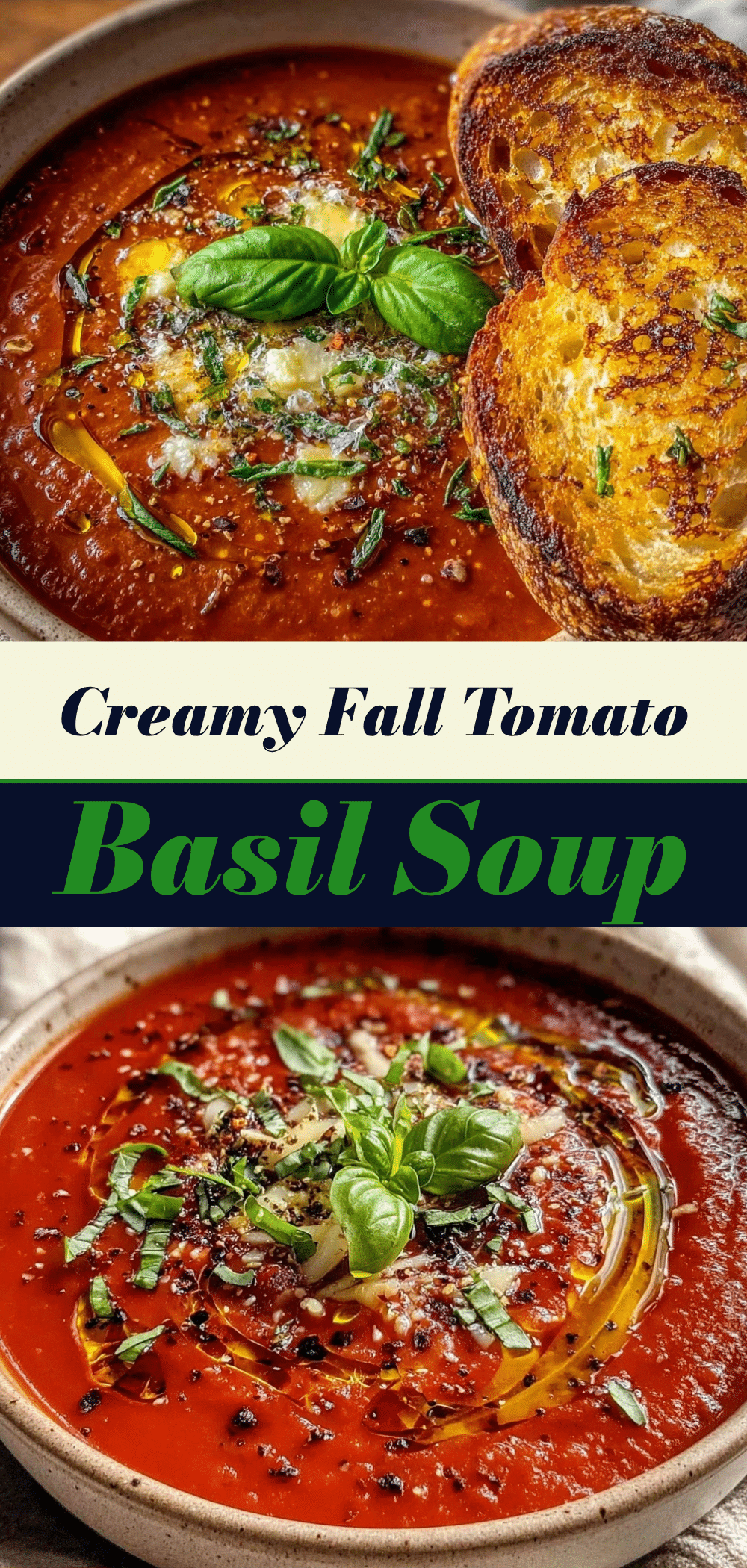

Fall Roasted Tomato Soup: Easy, Budget-Friendly Family Dinner
- Total Time: 55 minutes
- Yield: 6 servings 1x
Description
A simple, budget-friendly roasted tomato soup that uses bruised produce for deep flavor. This kid-approved, freezer-friendly meal is ready in under an hour and costs less than takeout.
Ingredients
- 3 pounds Roma or plum tomatoes, sliced in half lengthwise
- 1 large yellow onion, quartered (skin on)
- 1 whole head of garlic, cloves separated (skin on)
- 3 tablespoons extra virgin olive oil
- 2 sprigs fresh thyme or 1 teaspoon dried thyme
- Kosher salt and black pepper, to taste
- 2 cups low-sodium vegetable broth
- ½ cup heavy cream or coconut milk
- 1 cup packed fresh basil leaves, chopped
- 1 tablespoon balsamic vinegar
- ½ teaspoon red pepper flakes (optional)
Instructions
- Preheat oven to 400°F (200°C).
- Place tomatoes, quartered onion, and garlic cloves in a large roasting pan. Drizzle with olive oil and sprinkle with salt, pepper, and thyme. Toss to coat.
- Roast for 30-40 minutes until tomatoes are soft, wrinkled, and caramelized, and onions are tender.
- Remove from oven. If garlic skins were left on, squeeze the soft cloves out.
- Transfer roasted vegetables to a large pot. Add vegetable broth and bring to a simmer over medium heat for 10-15 minutes to meld flavors.
- Stir in balsamic vinegar and red pepper flakes.
- Remove from heat and let cool slightly. Blend soup until smooth using an immersion blender or standard blender.
- Stir in heavy cream or coconut milk and adjust seasoning to taste.
- Remove pot from heat completely and stir in fresh basil.
- Serve immediately with crusty bread or grilled cheese.
Notes
Roast tomatoes until they are wrinkled and browning for maximum sweetness. If using a standard blender, blend in batches and vent the lid to prevent explosions. The soup freezes well for up to 3 months; do not freeze if cream has been added. If the soup is too acidic, add a teaspoon of sugar or a splash of balsamic vinegar.
- Prep Time: 10 minutes
- Cook Time: 45 minutes
- Category: Main Course
- Cuisine: Italian
Nutrition
- Serving Size: 1 bowl
- Calories: 180
- Sugar: 10
- Sodium: 350
- Fat: 10
- Saturated Fat: 6
- Carbohydrates: 18
- Fiber: 4
- Protein: 4
Keywords: tomato soup, roasted tomato soup, fall recipes, budget dinner, family meals, vegetarian soup, gluten-free, easy dinner, comfort food