It was 8:30 PM on a Tuesday. I was sitting on my couch, staring at my phone, debating whether to spend $28 on takeout or just eat a bowl of dry cereal. My stomach was growling, my energy was at zero, and I knew that whatever arrived at my door in 45 minutes would be soggy, salty, and disappointing. It’s that specific kind of tired that makes you question all your life choices.
But then I remembered the bag of noodles in my pantry. And the chicken breast sitting in the fridge. And the sad-looking bunch of broccoli in the crisper drawer.
I had two options: suffer through dinner or actually cook something. So, I chose to cook. And honestly? It changed my relationship with Chinese food forever.
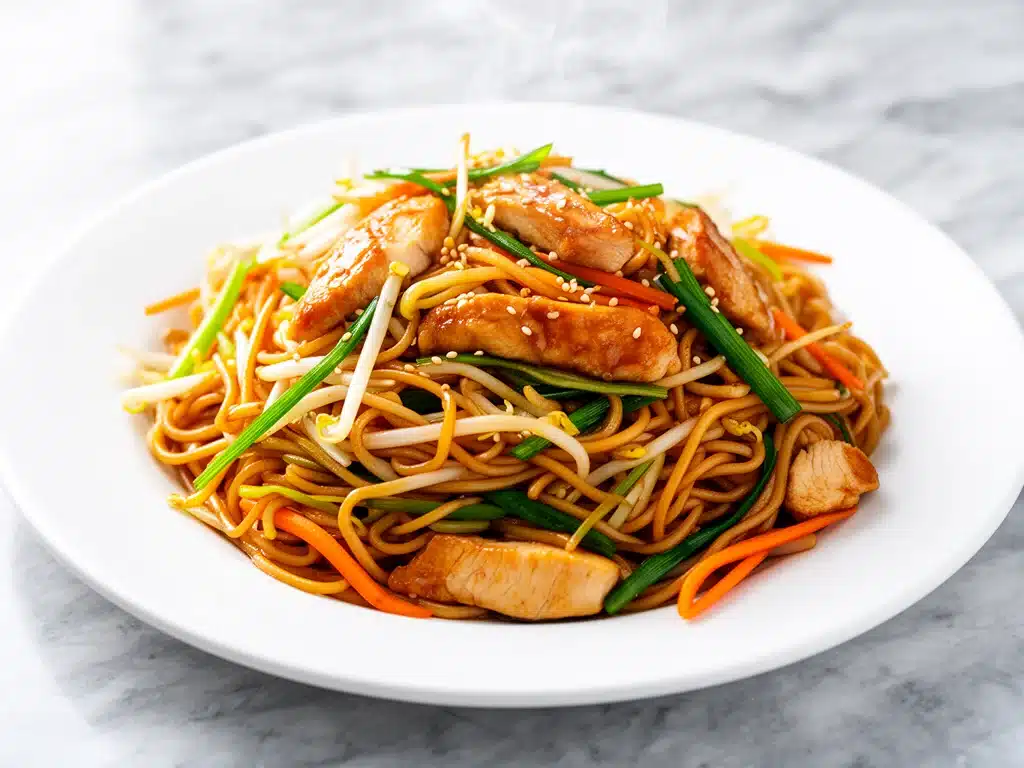
That night, I threw together what I now call the ultimate Homemade Chicken Chow Mein. It wasn’t complicated. It didn’t take hours. But when I took that first bite—crispy edges, tender noodles, that perfect balance of sweet and savory sauce—I realized I didn’t need takeout. I never would again.
This Homemade Chicken Chow Mein better than takeout isn’t just a recipe; it’s my rescue plan for busy weeknights. It’s faster than waiting for a delivery driver, it costs a fraction of the price, and it actually tastes like real food. I’ve made this version at least thirty times since that cereal night, tweaking the sauce ratios and noodle types until it was perfect. If you’re tired of paying premium prices for mediocre food, you need to try this.
Why You’ll Love This Chicken Chow Mein Recipe
There are a lot of “easy” dinner recipes out there, but few deliver that specific comfort-food punch that chow mein does. Here’s why this Homemade Chicken Chow Mein better than takeout has earned a permanent spot in my weekly rotation:
- It’s Faster Than Delivery — Seriously. From start to finish, you’re looking at 25 minutes. That’s faster than the “45-60 minute” estimate on the delivery app. I’ve timed it. I’m not lying.
- Crispy vs. Soggy — Takeout noodles get soggy because they sit in a box. My method ensures you get those desirable crispy edges on the noodles while keeping the center chewy. It’s a texture game-changer.
- Customizable Protein — While this is a chicken recipe, you can swap it out easily. But honestly? Pan-seared chicken thighs with a soy-ginger glaze are unbeatable. It’s juicy, flavorful, and pairs perfectly with the vegetables.
- Uses What You Have — You don’t need a trip to the Asian market. This Homemade Chicken Chow Mein better than takeout uses standard grocery store ingredients: soy sauce, sugar, garlic, and whatever veggies are in your fridge. It’s pantry-friendly and flexible.
- Budget-Friendly — Feeding four people with this recipe costs about $12-15. Compare that to a family-sized order of chow mein and chicken from a restaurant, which easily runs $30+. That’s dinner for the price of two slices of pizza.
This recipe is my answer to “what’s for dinner” when I have no energy but still want something hot and satisfying. It’s reliable, delicious, and makes your kitchen smell amazing without requiring you to stand over a wok for an hour.
Ingredients You’ll Need for the Best Chow Mein
Here’s the thing about chow mein: the magic is in the sauce and the noodles. You don’t need fancy, hard-to-find ingredients, but you do need to pick the right ones. I’m particular about a few things here, and I’ll tell you exactly why.
For the Noodles
Egg Noodles (12 oz / 340g) — This is non-negotiable for me. I use fresh egg noodles if I can find them in the refrigerated section (like the brand “Bento” or local Asian markets). They have a yellow hue and a chewy texture that dried noodles can’t match. If you only have dried, look for “chow mein noodles” or “lo mein noodles” specifically. Avoid spaghetti! It just doesn’t hold the sauce the same way. I’ve tested both, and fresh egg noodles are superior.
Vegetable Oil (2 tablespoons) — I use a neutral oil with a high smoke point, like canola or avocado oil. You need high heat for stir-frying, so olive oil isn’t the best choice here—it’ll burn.
For the Chicken
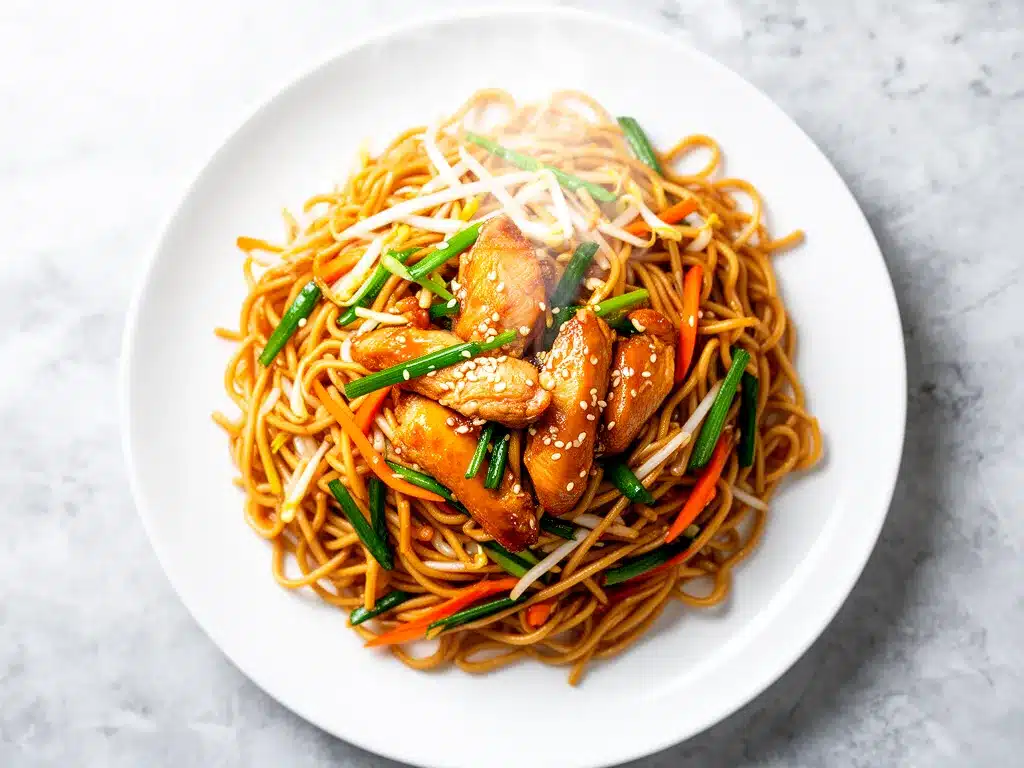
Chicken Thighs (1.5 lbs / 680g) — Boneless, skinless thighs. I know breasts are leaner, but thighs stay juicy. When you stir-fry at high heat, breasts can dry out in minutes. Thighs forgive mistakes. If you must use breasts, pound them thin and watch them closely. But trust me on the thighs.
Garlic (4 cloves, minced) — Fresh garlic is essential. No jarred stuff here. It adds that sharp, aromatic base that makes stir-fry taste like stir-fry.
Ginger (1 tablespoon, fresh grated) — This is the secret weapon. Fresh ginger has a brightness that powdered ginger lacks. If you absolutely cannot find fresh, you can use 1 teaspoon of powdered, but it won’t be the same. I buy fresh ginger root and grate it myself—it lasts forever in the fridge.
For the Sauce
Soy Sauce (3 tablespoons) — I use regular soy sauce for saltiness. If you want a deeper flavor, use 2 tablespoons regular and 1 tablespoon dark soy sauce (common in Asian markets). It adds that rich, dark color.
Oyster Sauce (2 tablespoons) — This is what gives chow mein its distinct umami depth. Don’t skip it. If you’re vegetarian, substitute with vegetarian oyster sauce (made from mushrooms) or hoisin sauce, though the flavor will shift slightly.
Light Brown Sugar (1 tablespoon) — Just a touch. It balances the saltiness of the soy sauce and helps caramelize the chicken. It’s not supposed to be sweet; it’s supposed to be savory-sweet.
Rice Vinegar (1 teaspoon) — A tiny splash. It cuts through the richness and adds brightness. You won’t taste it directly, but it lifts the whole dish.
Water or Chicken Broth (¼ cup) — To thin the sauce so it coats the noodles evenly without being too thick.
For the Vegetables
Cabbage (2 cups, shredded) — Napa cabbage is traditional and melts nicely. Green cabbage works too, but it’s crunchier. I usually buy a small head and shred it by hand. It absorbs the sauce beautifully.
Carrots (1 medium, julienned or shredded) — Adds sweetness and color. Shred them thin so they cook quickly.
Green Onions (3-4 stalks, chopped) — For garnish and a fresh onion bite at the end. Save the white parts for cooking and the green parts for topping.
Broccoli Florets (1 cup, cut small) — I like adding broccoli for texture. Cut the florets small so they cook through quickly. You can also use bell peppers or snap peas if you prefer.
Equipment Needed
You don’t need a professional wok, but you do need a big pan. Here’s what I actually use:
Large Wok or Skillet — A 12-inch wok is ideal because the high sides help toss the ingredients. But a large cast-iron skillet or even a wide non-stick pan works perfectly. The key is surface area. If your pan is too small, the noodles will steam instead of fry. I use a well-seasoned carbon steel wok, but my stainless steel skillet works just as well.
Chopsticks or Tongs — Essential for tossing the noodles. A spoon will break the noodles. I keep a pair of bamboo chopsticks near the stove just for stirring.
Sharp Knife and Cutting Board — For prepping the chicken and veggies. Uniform cuts ensure even cooking.
Mixing Bowl — For whisking the sauce beforehand. Stir-frying moves fast, so you don’t have time to measure ingredients while cooking.
Colander — For rinsing the noodles after boiling.
How to Make It: Step-by-Step
Alright, let’s make this! I’m walking you through exactly how I do it, including the little tricks I’ve picked up over the years. This Homemade Chicken Chow Mein better than takeout comes together quickly, so have everything prepped before you turn on the heat.
Step 1: Prep Your Chicken and Sauce (5-8 minutes)
Start by slicing your chicken thighs into bite-sized strips. Don’t make them too thick, or they’ll cook unevenly. Toss them with 1 teaspoon of cornstarch (optional, but it helps create a nice crust) and a pinch of salt. In a small bowl, whisk together the soy sauce, oyster sauce, brown sugar, rice vinegar, water, minced garlic, and grated ginger. Set this sauce aside. Having it ready is crucial because you’ll add it all at once.
Step 2: Cook the Noodles (8-10 minutes)
Bring a large pot of water to a boil. Cook your egg noodles according to the package directions, but stop 1-2 minutes early. You want them al dente because they’ll cook more in the pan. Drain the noodles and rinse them under cold water. This stops the cooking and washes off excess starch, which prevents clumping. Toss them with a tiny bit of oil to keep them separate. Set aside.
Step 3: Sear the Chicken (5-6 minutes)
Heat 1 tablespoon of oil in your wok or large skillet over medium-high heat. Add the chicken in a single layer. Don’t crowd the pan! If you have too much chicken, cook it in batches. Let it sit for 2 minutes without moving it to get a golden-brown sear. Then flip and cook until done. Remove the chicken from the pan and set it aside on a plate. Don’t clean the pan—those brown bits are flavor.
Step 4: Stir-Fry the Vegetables (3-4 minutes)
Add the remaining 1 tablespoon of oil to the same pan. Add the carrots and broccoli first, as they take longer to cook. Stir-fry for 2 minutes. Then add the cabbage. Keep moving the veggies around so they cook evenly. They should be tender-crisp, not mushy. This should only take about 3 minutes total.
Step 5: Combine and Sauce (3-4 minutes)
Return the cooked chicken to the pan with the vegetables. Add the drained noodles on top. Pour the sauce mixture over everything. Using your chopsticks or tongs, toss everything together gently but thoroughly. You want every noodle coated in that glossy sauce. Cook for another 1-2 minutes, allowing the sauce to thicken slightly and cling to the noodles. If it looks too dry, add a splash of water. If it’s too wet, let it cook for another minute.
Step 6: Serve
Remove from heat. Garnish generously with chopped green onions. Serve immediately while hot and steaming. This Homemade Chicken Chow Mein better than takeout is best enjoyed right out of the pan.
Total Time: About 25 minutes (10 minutes prep, 15 minutes cooking)
Expert Tips & Tricks for Perfect Chow Mein
Here’s everything I’ve learned from making this dozens of times. These tips will save you from my mistakes.
Don’t Overcook the Noodles
The #1 mistake people make is boiling the noodles until they’re soft. They will continue to cook in the hot pan. If you boil them until they’re perfect for eating on their own, they’ll be mush by the time you add the sauce. Undercook them by 2 minutes.
High Heat is Your Friend
Stir-frying requires high heat. If your pan isn’t hot enough, the vegetables will steam and the chicken will boil. Get that pan smoking slightly before you add the oil. This creates the “wok hei” breath of flavor, even if you’re using a skillet.
Prep Everything Before You Start
This is a fast-cooking recipe. Once you start, you won’t have time to chop garlic or measure soy sauce. Have all ingredients prepped and within arm’s reach. This is called “mise en place,” and it’s the secret to stress-free stir-fries.
Use Cornstarch on the Chicken
Tossing the chicken in cornstarch before cooking creates a slight barrier that keeps the juices in and helps the sauce cling to the meat. It’s a small step that makes a big difference in texture.
Rinse the Noodles
Rinsing cooked noodles in cold water removes surface starch. This prevents them from sticking together in a clumpy mess. It also cools them down so they don’t overcook when you add them to the hot pan.
Variations & Substitutions
Once you’ve nailed the basic version, here’s how you can mix it up. I’ve tried all of these variations.
Shrimp Chow Mein
Swap the chicken for large shrimp. Shrimp cooks very quickly, so add them in the last 2 minutes of cooking. They pair wonderfully with the garlic-ginger sauce. If you want to try another seafood option, check out my Honey Garlic Butter Chicken for similar flavor profiles.
Vegetarian Version
Simply omit the chicken and add extra tofu or edamame. Press firm tofu, cube it, and pan-fry it until crispy before adding the veggies. The sauce works perfectly with tofu.
Spicy Kick
Add 1 teaspoon of chili crisp or sriracha to the sauce mixture. Or, top with sliced fresh jalapeños. I like a little heat to balance the sweetness.
Extra Veggies
Add snap peas, mushrooms, or bell peppers. Any crunchy vegetable works. I often use up leftover roasted veggies from the week—just toss them in at the end to warm through.
Noodle Swap
If you can’t find egg noodles, rice noodles work too, though the texture will be softer. Udon noodles are also delicious but much thicker and chewier. Adjust cooking times accordingly.
Serving & Storage
How to Serve:
I usually serve this straight from the wok at the dinner table. It looks rustic and stays warm. Pair it with a simple side like Crispy Roasted Chickpea and Cucumber Salad for a refreshing contrast to the rich noodles.
Toppings Bar:
When I have guests, I put out extra green onions, sesame seeds, chili oil, and lime wedges. Everyone customizes their bowl.
Storage Instructions:
Store leftovers in an airtight container in the refrigerator for up to 3 days. The noodles will absorb more sauce as they sit, so they might look dry.
Reheating:
The best way to reheat is in a skillet with a splash of water or broth. Heat gently over medium heat, tossing frequently, until warmed through. This restores the moisture. Microwave reheating tends to make the noodles rubbery, but if you must, add a teaspoon of water and cover the bowl.
Freezing:
I don’t recommend freezing chow mein. The noodles change texture when thawed, becoming mushy and unpleasant. It’s best made fresh.
Nutrition Information
I’m not a nutritionist, but here’s the breakdown if you’re tracking. Keep in mind that values depend on the specific brands and portion sizes you use.
Per Serving (based on 4 servings):
- Calories: 450
- Protein: 28g
- Carbs: 52g
- Fiber: 3g
- Sugar: 6g
- Fat: 14g
It’s a balanced meal with protein from the chicken, carbs from the noodles, and fiber from the veggies. It’s comfort food, but not overly heavy. If you want to lighten it up, use more veggies and less oil, or swap egg noodles for zucchini noodles (though the texture will be different).
Final Thoughts
So that’s my go-to Homemade Chicken Chow Mein better than takeout! I’ve probably talked your ear off at this point, but when you make a recipe this often, you have a lot to say about it.
This recipe has saved me from countless takeout orders. It’s my answer to “I’m too tired to cook” because it’s actually easier than waiting for delivery. My family loves it, my friends ask for the recipe, and I’m happy because I’m in control of what goes into my food.
Make it yours! Try different veggies, swap the protein, adjust the spice. The best recipes are the ones you adapt to your tastes. If you make this, drop a comment and let me know what you think! I love hearing how recipes turn out in your kitchen.
Happy cooking! And I hope your kitchen smells half as good as mine does right now.
Frequently Asked Questions
Can I use dried noodles instead of fresh egg noodles?
Yes, you can. Look for “chow mein noodles” or “lo mein noodles” in the dried pasta aisle. Just follow the package instructions for boiling, and remember to undercook them by 2 minutes. Fresh egg noodles are better for texture, but dried works in a pinch.
Why did my chow mein turn out soggy?
This usually happens for two reasons: overcooking the noodles or overcrowding the pan. Make sure you rinse the noodles in cold water after boiling to remove starch. Also, cook in batches if you have a lot of ingredients so the pan stays hot and the food fries instead of steams.
Can I make the sauce ahead of time?
Absolutely. Whisk all the sauce ingredients together in a jar and store it in the fridge for up to 3 days. This saves time on weeknights. Just give it a shake before using.
What can I substitute for oyster sauce?
If you don’t have oyster sauce, you can use hoisin sauce (though it’s sweeter) or vegetarian oyster sauce. You can also make a simple substitute with soy sauce, a little sugar, and a splash of water, but the depth of flavor won’t be quite the same.
Is this recipe spicy?
The base recipe is not spicy. It’s savory and slightly sweet. If you like heat, add chili flakes, sriracha, or chili crisp to the sauce or as a topping. You control the spice level.
Can I use chicken breast instead of thighs?
Yes, but thighs are juicier. If using breast, cut it into thin strips and don’t overcook it. It dries out faster than thighs. I still recommend thighs for the best texture, but breast works if you’re watching fat intake.
How long does leftover chow mein last?
It lasts up to 3 days in the refrigerator. After that, the noodles start to break down and the flavor fades. It’s best eaten fresh or reheated the next day.
Pin This Recipe!
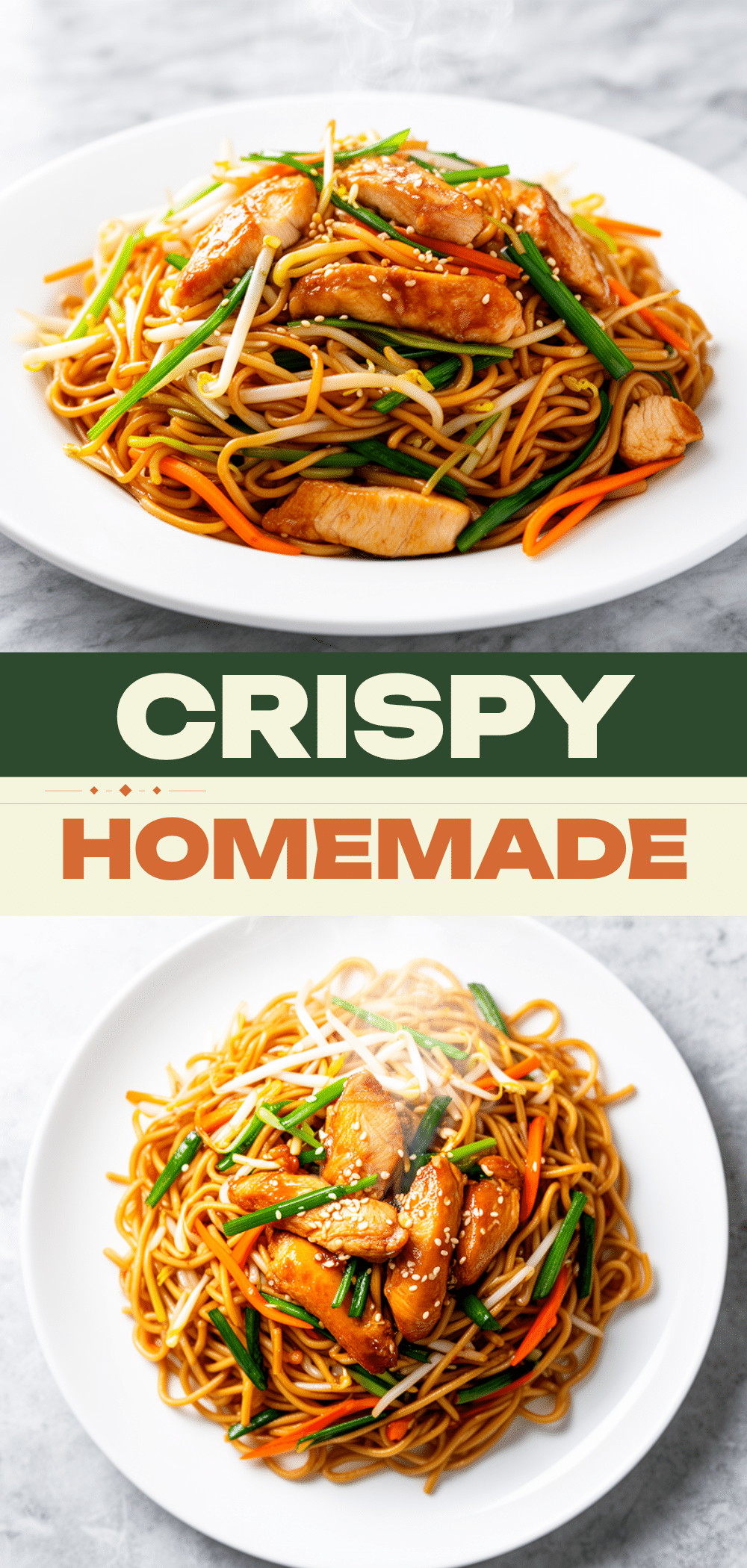
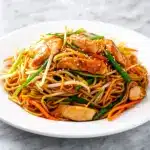
Homemade Chicken Chow Mein: Easy Better Than Takeout
- Total Time: 25 minutes
- Yield: 4 servings 1x
Description
A quick and delicious homemade chicken chow mein recipe that is faster than delivery and tastes better than takeout. Features crispy noodles, juicy chicken, and a savory-sweet sauce.
Ingredients
- 12 oz fresh egg noodles (or chow mein/lo mein noodles)
- 1.5 lbs boneless, skinless chicken thighs
- 2 tablespoons vegetable oil (divided)
- 4 cloves garlic, minced
- 1 tablespoon fresh ginger, grated
- 3 tablespoons soy sauce
- 2 tablespoons oyster sauce
- 1 tablespoon light brown sugar
- 1 teaspoon rice vinegar
- 1/4 cup water or chicken broth
- 2 cups cabbage, shredded
- 1 medium carrot, julienned or shredded
- 3–4 stalks green onions, chopped (white parts for cooking, green for garnish)
- 1 cup broccoli florets, cut small
- 1 teaspoon cornstarch (optional, for chicken)
Instructions
- Slice chicken thighs into bite-sized strips. Toss with cornstarch and a pinch of salt if using.
- In a small bowl, whisk together soy sauce, oyster sauce, brown sugar, rice vinegar, water, minced garlic, and grated ginger. Set aside.
- Bring a large pot of water to a boil. Cook egg noodles according to package directions but stop 1-2 minutes early for al dente texture.
- Drain noodles and rinse under cold water to stop cooking and remove starch. Toss with a tiny bit of oil to prevent clumping.
- Heat 1 tablespoon of oil in a large wok or skillet over medium-high heat. Add chicken in a single layer (cook in batches if necessary) and sear for 2 minutes until golden brown. Flip and cook until done. Remove chicken and set aside.
- Add remaining 1 tablespoon of oil to the same pan. Add carrots and broccoli, stir-frying for 2 minutes.
- Add cabbage and stir-fry for another minute until tender-crisp.
- Return chicken to the pan. Add noodles on top and pour sauce mixture over everything.
- Toss gently but thoroughly with chopsticks or tongs until noodles are coated. Cook for 1-2 minutes until sauce thickens slightly.
- Remove from heat, garnish with green onions, and serve immediately.
Notes
Do not overcook the noodles; they will continue to cook in the hot pan. High heat is essential for stir-frying to achieve ‘wok hei’ flavor. Prep all ingredients before starting as the cooking process is fast. Rinse noodles in cold water to prevent sticking. Do not freeze leftovers as noodles become mushy upon thawing.
- Prep Time: 10 minutes
- Cook Time: 15 minutes
- Category: Main Course
- Cuisine: Chinese
Nutrition
- Serving Size: 1 plate
- Calories: 450
- Sugar: 6
- Sodium: 800
- Fat: 14
- Saturated Fat: 3
- Carbohydrates: 52
- Fiber: 3
- Protein: 28
Keywords: chicken chow mein, homemade chow mein, better than takeout, easy dinner, stir fry, weeknight meals, chinese food