Last Tuesday, I was staring at a takeout menu from my favorite Thai spot for the third night in a row. You know the feeling. You’re tired, you’re hungry, and you just want something that tastes like it came from a wok with some serious heat behind it. I was about to tap “Place Order” when I remembered a bag of rice noodles sitting in my pantry that had been collecting dust for six months. And some shrimp. And a jar of tamarind paste I’d bought on a whim three years ago and never used.
I thought, why not? Worst case scenario, I eat a mediocre bowl of noodles. Best case? I save $25 and actually learn something new.
It turned out to be best case. Like, significantly best case.
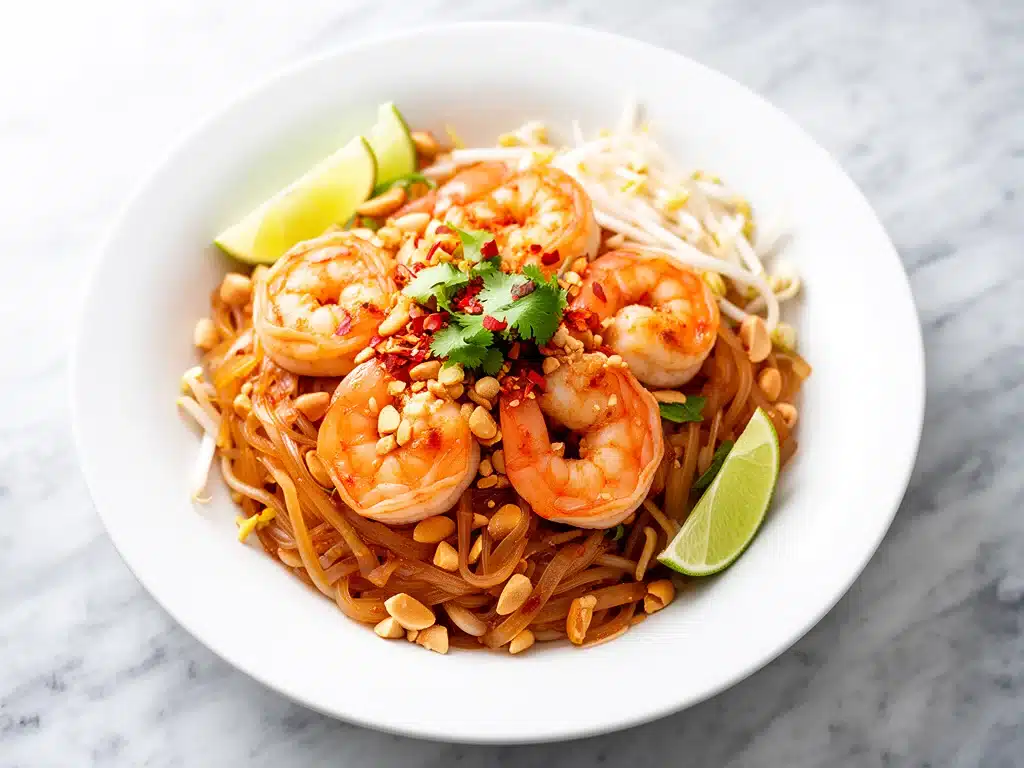
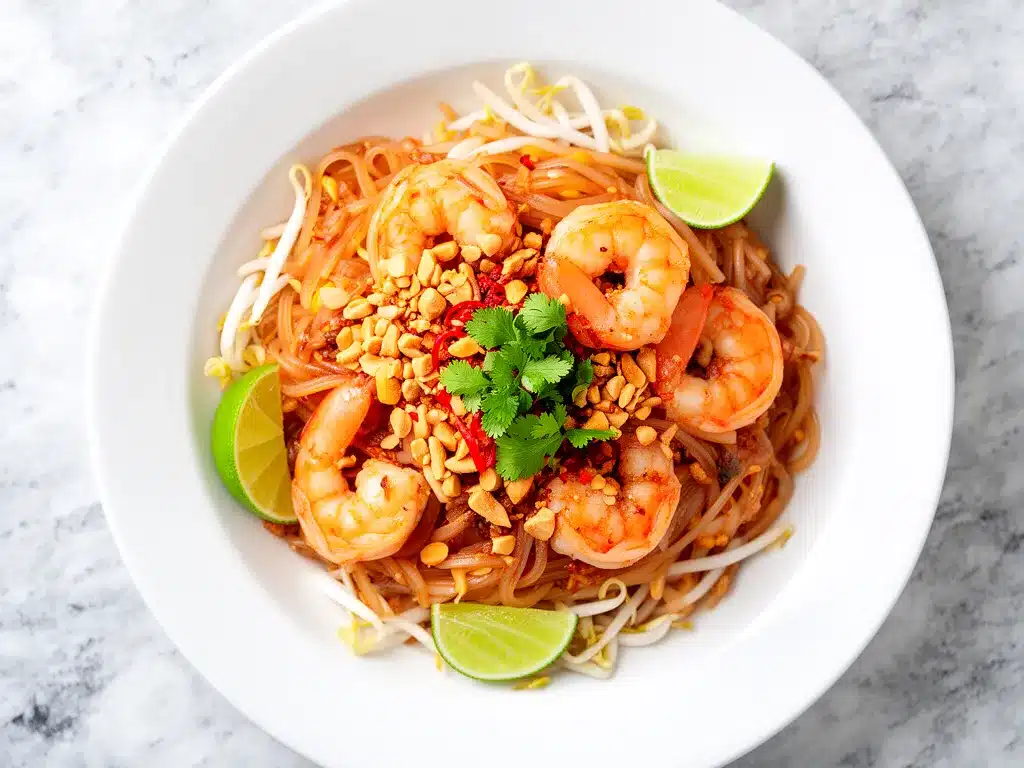
Within twenty minutes, my kitchen smelled like a street food stall in Bangkok. The shrimp were sweet and charred, the noodles had that perfect chewy-soft texture, and the sauce? Oh, the sauce was the real magic. It hit that impossible balance of sweet, salty, sour, and spicy that takeout promises but rarely delivers consistently. I added a generous handful of crushed peanuts, and suddenly, I wasn’t just eating dinner. I was experiencing it.
This homemade shrimp pad thai has completely replaced my takeout habit. I’ve made it at least eight times in the last two months. My husband thinks I’ve gone soft on the idea of cooking, but the look on his face when he tastes the first bite tells a different story. He actually asked me to stop ordering out because I’m making this too well.
Here’s the thing about pad thai: people think it’s complicated. They think it requires ingredients you can’t find at a normal grocery store and skills you didn’t learn in culinary school. But I’ve tested this recipe more times than I care to admit, and I can tell you with confidence that it is genuinely easy. You don’t need a wok (though a big skillet works). You don’t need fancy equipment. You just need the right balance of flavors and a little bit of technique.
By the time you finish reading this, you’ll be hooked. I promise. This shrimp pad thai with peanuts is better than takeout because it’s fresh, it’s fast, and it’s yours. Let’s get cooking.
Why You’ll Love This Recipe
There are a few reasons I keep coming back to this shrimp pad thai recipe, but they all boil down to one thing: it just works. Every single time.
Lightning Fast — Seriously, from start to finish, this takes about 20 minutes. I know, I know, 20 minutes sounds like a lot when you’re hungry. But that’s only because you’re counting the time it takes to boil water. The actual active cooking time is closer to 10 minutes. I make this on weeknights when I get home at 6:30 PM and still have time to shower before bed. It’s that quick.
Flavor Bomb — This isn’t just “good for homemade.” It’s genuinely better than the version from the restaurant down the street. Why? Because you control the freshness. The lime juice is squeezed right before serving, not sitting in a bottle. The herbs are bright and green. The peanuts are toasted, not stale. It’s a flavor profile that actually pops.
Flexible Protein — While I’m using shrimp here (because let’s be honest, they’re delicious), this recipe is incredibly flexible. If you’re not a seafood person, you can swap the shrimp for chicken. If you’re vegetarian, tofu works beautifully. I’ve made this with crispy roasted chickpeas as a side, but using them in the noodle mix is also a great twist for extra crunch.
Pantry-Friendly Sauce — The sauce sounds intimidating, but it’s just three or four ingredients. Tamarind paste, fish sauce, sugar (or brown sugar), and lime. You might already have most of these. If you don’t, they’re cheap and easy to find. And once you make this sauce, you’ll realize how many other Asian dishes you can whip up with it.
Crowd-Pleaser — I’ve served this to my vegetarian sister (with tofu instead of shrimp and soy sauce instead of fish sauce), my gluten-free neighbor (using rice noodles), and my picky 10-year-old nephew. Everyone loved it. The peanuts are the secret weapon—they add that savory crunch that makes people ask for seconds.
This is my go-to when I want something that feels fancy but is actually effortless. No complicated techniques, no weird ingredients you’ve never heard of, just reliable, delicious food that makes everyone happy.
Ingredients You’ll Need
Here’s the best part: you probably have most of this already. I’m particular about three ingredients here, and I’ll tell you exactly why. Getting these right is the difference between “okay noodles” and “wow, what did you do?”
For the Noodles
Rice Noodles (8 ounces / 225g) — Look for flat, wide rice noodles, often labeled as “medium” or “wide” rice stick noodles. They should be about 1/4 inch wide. Avoid the thin vermicelli noodles; they get too mushy for pad thai. I buy the ones in the box with the little bundle of dried noodles. They’re cheap and reliable.
Water — Just enough to soak the noodles. We’re not boiling them in a pot of water like spaghetti. We’re soaking them in hot water until they’re pliable. This prevents them from breaking apart later.
For the Sauce (The Magic Part)
Tamarind Paste (3 tablespoons / 45g) — This is the sour backbone of the dish. Look for it in the Asian aisle of your grocery store, usually in a dark brown tube. Do not buy tamarind cocktail mix or sweetened tamarind pulp. You want the pure, unsweetened paste. It’s tart and earthy. If you can’t find it, lemon juice is a weak substitute, but it won’t taste the same.
Fish Sauce (3 tablespoons / 45ml) — This is the salty umami kick. Yes, it smells strong. Yes, it will smell weird while you’re cooking. No, it won’t taste like fish in the final dish. It adds depth and savory flavor that salt alone can’t achieve. I use a good quality brand like Red Boat or Squid Brand. If you’re vegetarian, substitute with soy sauce or tamari, but the flavor profile will shift slightly.
Brown Sugar (2 tablespoons / 30g) — I prefer brown sugar over white sugar because it adds a molasses-like richness that pairs beautifully with the tamarind. If you only have white sugar, that works too. Just keep it in mind.
Lime Juice (2 tablespoons / 30ml) — Freshly squeezed. Only. Bottled lime juice tastes artificial and metallic. It ruins the dish. Squeeze two limes, right before you cook.
Garlic (3 cloves, minced / about 1 tablespoon) — Fresh only. No jarred garlic. Mince it fine so it distributes evenly.
Red Pepper Flakes (1/2 teaspoon) — Adjust to heat preference. I like a little kick, but if you’re sensitive to spice, start with 1/4 teaspoon.
For the Stir-Fry
Shrimp (1 pound / 450g, peeled and deveined) — Medium or large shrimp work best. If they’re huge, cut them in half. Smaller shrimp cook faster and are easier to eat with chopsticks. Pat them dry with a paper towel before cooking—wet shrimp steam instead of sear.
Eggs (2 large) — Scrambled into the noodles. This adds protein and richness. I like to scramble them separately first, then add them back in at the end so they don’t get rubbery.
Bean Sprouts (1 cup / 60g) — Fresh, crisp bean sprouts. They add a fresh crunch that contrasts with the soft noodles. Don’t cook them! Just toss them in at the very end.
Green Onions (3 stalks, sliced) — Both white and green parts. The white parts go in with the aromatics; the green parts go on top as garnish.
Crushed Peanuts (1/4 cup / 30g) — Unsalted, dry-roasted peanuts. Crush them roughly. You want chunks, not powder. They add that essential nutty crunch. You can also use honey garlic butter chicken as a protein swap if you prefer poultry, but the peanuts work with everything.
Vegetable Oil (2 tablespoons) — For frying. I use peanut oil if I have it, because it has a high smoke point and adds a subtle nutty flavor. Canola or avocado oil works fine too.
Optional Add-ins — I sometimes add a handful of frozen peas or diced carrots for extra color and sweetness. It’s not traditional, but it’s delicious and a great way to sneak veggies in for kids.
Equipment Needed
You don’t need fancy equipment for this. Here’s what I actually use.
Large Skillet or Wok — I use a 12-inch non-stick skillet. It’s easier to manage than a wok for most home cooks, and it’s what I have. If you have a wok, great. If not, a large skillet works perfectly. You need enough surface area to toss the noodles without them sticking.
Large Bowl — For soaking the rice noodles. Any big bowl will do.
Small Bowl — For mixing the sauce. This saves you from measuring ingredients one by one into the pan.
Chopsticks or Tongs — Essential for tossing the noodles. A spoon will break the noodles. Chopsticks give you better control and mimic the authentic cooking method.
Peeler — For the lime zest (optional but recommended).
Cutting Board — For prepping the shrimp and garlic.
Knife — Sharp knife for mincing garlic and slicing green onions. Dull knives make you cry more—learned this the hard way with onions, but garlic is no exception.
Measuring Spoons — For the sauce. Accuracy matters here because the balance of sweet, salty, and sour is delicate.
How to Make It: Step-by-Step
Alright, let’s make this! I’m walking you through exactly how I do it, including the little tricks I’ve picked up over the years.
Step 1: Soak the Noodles (5-10 minutes)
Before you start cooking, place the dried rice noodles in a large bowl. Cover them with hot tap water. You don’t need boiling water, just really hot tap water. Let them soak for 5-10 minutes, or until they are soft and pliable but still have a little bite. They should bend easily but not fall apart. Drain them and set aside. If they’re too hard, they’ll break in the pan. If they’re too soft, they’ll turn to mush. Aim for tender-crisp.
Step 2: Mix the Sauce (2 minutes)
In a small bowl, whisk together the tamarind paste, fish sauce, brown sugar, and lime juice. Stir until the sugar is dissolved. Taste it. It should be a balance of sour, sweet, and salty. If it’s too sour, add a bit more sugar. If it’s too sweet, add a splash more lime or fish sauce. Adjust to your preference. This is your flavor base, so get it right.
Step 3: Prep the Aromatics and Shrimp (5 minutes)
While the noodles soak, mince the garlic, slice the green onions, and crush the peanuts. Pat the shrimp dry with a paper towel and season lightly with salt and pepper. Have everything ready to go because the cooking part moves fast.
Step 4: Scramble the Eggs (2 minutes)
Heat 1 tablespoon of oil in your large skillet over medium-high heat. Crack the eggs into the pan and scramble them quickly with chopsticks or a spatula. Cook until just set, then remove them from the pan and set aside on a plate. Don’t overcook them—they’ll go back in later.
Step 5: Sear the Shrimp (3-4 minutes)
Add the remaining 1 tablespoon of oil to the same skillet. Increase the heat to high. Add the shrimp in a single layer. Cook for 1-2 minutes per side, until they turn pink and opaque. Don’t overcrowd the pan—if you have a small skillet, cook the shrimp in two batches. Remove the shrimp and set aside with the eggs.
Step 6: Stir-Fry the Noodles (3-4 minutes)
Reduce the heat to medium. Add the drained noodles to the skillet. Pour the sauce mixture over the noodles. Use your chopsticks or tongs to toss the noodles, ensuring they’re evenly coated. The noodles will absorb the sauce quickly. Add the minced garlic and white parts of the green onions. Toss for 1-2 minutes until the garlic is fragrant and the noodles are heated through.
Step 7: Combine and Finish (2 minutes)
Return the shrimp and scrambled eggs to the pan. Add the bean sprouts. Toss everything together for 1 minute. The bean sprouts should stay crisp, so don’t overcook them. Taste and adjust seasoning if needed. Add more fish sauce for saltiness, more lime for sourness, or more sugar for sweetness.
Step 8: Serve
Serve immediately on plates. Top with the crushed peanuts, the green parts of the green onions, and a wedge of lime. Squeeze the lime over the top right before eating. This is non-negotiable—the fresh lime juice brightens everything up.
Total Time: About 20 minutes (10 minutes active, 10 minutes mostly hands-off soaking).
Expert Tips & Tricks
Here’s everything I’ve learned from making this dozens of times. These tips will save you from my mistakes.
Don’t Boil the Noodles
Soaking is key. Boiling rice noodles in water makes them slimy and prone to breaking. Soaking in hot water keeps them intact and gives them that perfect chewy texture. If you’re in a hurry, you can boil them for 2-3 minutes, but rinse them in cold water immediately to stop the cooking. Soaking is just easier.
High Heat is Your Friend
Pad thai is a stir-fry. It needs high heat to get that slight char and to cook the noodles quickly without making them soggy. If your pan isn’t hot enough, the noodles will stick and steam. Get that pan smoking before you add the shrimp.
Balance is Everything
The sauce is a balancing act. If it tastes one-dimensional, it’s missing something. Too sweet? Add lime. Too sour? Add sugar. Too salty? Add a pinch of sugar or a splash of water. Taste as you go.
Toast the Peanuts
If your peanuts aren’t already roasted, toast them in a dry skillet for 2-3 minutes until fragrant. This releases their oils and makes them infinitely more flavorful. Raw peanuts taste bland and waxy.
Use Chopsticks
I know it feels awkward, but chopsticks are the best tool for tossing noodles. They’re gentle on the noodles and give you better control than a spatula. If you don’t have chopsticks, use two forks or tongs.
Don’t Skip the Bean Sprouts
They might seem like a weird addition, but they provide the essential fresh crunch that contrasts with the soft noodles and rich sauce. They’re not optional if you want the authentic experience.
Variations & Substitutions
Once you’ve nailed the basic version, here’s how you can mix it up. I’ve tried all of these.
Tofu Pad Thai
Swap the shrimp for firm tofu. Press the tofu for 15 minutes, cube it, and pan-fry it until crispy before adding it to the noodles. It absorbs the sauce beautifully. I often make this for my vegetarian friends, and they love it.
Chicken Pad Thai
Use thinly sliced chicken breast or thigh. Cook it first, remove it, then follow the steps. Chicken takes a bit longer to cook than shrimp, so slice it thin and cook it over high heat.
Vegetable-Loaded
Add shredded carrots, sliced bell peppers, or chopped broccoli. Stir-fry the vegetables with the garlic before adding the noodles. This adds color and nutrition without changing the flavor profile too much.
Spicy Kick
Add a diced fresh chili (like jalapeño or Thai bird’s eye chili) with the garlic. Or add a dash of Sriracha or chili garlic sauce at the end. Adjust to your heat tolerance.
Gluten-Free
Rice noodles are naturally gluten-free. Just make sure your fish sauce and tamarind paste are certified gluten-free (some brands add wheat as a filler). Soy sauce is also gluten-free if you use tamari.
Dairy-Free
This recipe is naturally dairy-free. No butter or cream here. It’s all oil, fish sauce, and sugar.
Serving & Storage
How to Serve:
I usually serve this straight from the skillet at the dinner table—it looks rustic and stays warm. But here are other ways I’ve enjoyed it:
Side Dishes:
– A simple cucumber salad with rice vinegar and sesame oil
– Steamed jasmine rice (if you want extra carbs)
– A light green salad with a ginger dressing
– Creamy coconut lime mocktail to cool down the spice
Toppings Bar:
When I have guests, I put out: extra peanuts, red pepper flakes, fresh cilantro, lime wedges, and bean sprouts. Everyone customizes their bowl.
Storage Instructions:
Refrigerator:
Store in an airtight container for up to 3 days. The noodles will absorb more sauce in the fridge, so they might seem dry. Just add a splash of water or broth when reheating.
Reheating:
Best method: Add to a skillet with a splash of water or broth over medium heat. Toss until heated through and the noodles are pliable again.
Microwave method: Heat in 30-second intervals, stirring between. Add a splash of water.
Avoid: Don’t reheat in the oven—it will dry out the noodles.
Freezing:
Honestly, this doesn’t freeze well. Rice noodles lose their texture when frozen and thawed. They become mushy and grainy. Make it fresh or store in the fridge for up to 3 days.
Nutrition Information
I’m not a nutritionist, but here’s the breakdown if you’re tracking.
Per Serving (based on 4 servings):
- Calories: 480
- Protein: 25g
- Carbs: 65g
- Fiber: 3g
- Sugar: 12g
- Fat: 14g
- Saturated Fat: 2g
- Cholesterol: 150mg
- Sodium: 680mg
- Calcium: 80mg
What’s Good:
– High in protein from shrimp and eggs
– Gluten-free (if using certified GF ingredients)
– Rich in vitamins from bean sprouts and green onions
What to Know:
– Higher in sodium from fish sauce
– Moderate in carbs from rice noodles
– Can be made lower-carb by using zucchini noodles (though texture changes)
My Take:
Look, this is comfort food. It’s not a diet recipe. But it’s way better than takeout, costs less, and I know exactly what’s in it. When I want to make it lighter, I use less sugar and more veggies. But usually? I just eat a reasonable portion and enjoy it.
Final Thoughts
So that’s my go-to shrimp pad thai! I’ve probably talked your ear off at this point, but when you make a recipe this often, you have a lot to say about it.
This has saved weeknight dinners more times than I can count. It’s my answer to “what’s for dinner” when I’m tired, don’t want takeout, and still want something that tastes really good. My kids are happy, my husband’s happy, and I’m happy because I’m not stressed about cooking.
Make it yours! Try different add-ins, swap in your favorite vegetables, adjust the spice level. The best recipes are the ones you adapt to your family’s tastes.
If you make this, drop a comment and let me know what you think! I love hearing how recipes turn out in your kitchen. And if something doesn’t work, tell me that too—I’m here to help troubleshoot.
Happy cooking! And I hope your kitchen smells half as good as mine does right now.
Frequently Asked Questions
Can I use dried shrimp instead of fresh shrimp?
You can, but the texture and flavor will be different. Dried shrimp are smaller, chewier, and more intensely flavored. If you use them, soak them in warm water for 10 minutes before cooking, and use about half the amount of fresh shrimp. I prefer fresh shrimp for the tender texture, but dried shrimp add a nice umami depth if you’re feeling adventurous.
My sauce came out too sweet—what happened?
Usually means you added too much sugar or not enough tamarind or lime juice. Taste the sauce before adding it to the noodles. It should be a balance of sweet, sour, and salty. If it’s too sweet, add a splash of lime juice or fish sauce to balance it out.
Can I make this ahead for a dinner party?
Sort of. You can prep the sauce and soak the noodles ahead of time. But cook the noodles and stir-fry them fresh right before serving. Rice noodles don’t hold up well if they sit in sauce for too long—they get soggy. I prep everything the night before and just cook it 10 minutes before guests arrive.
Why did my noodles break apart?
Most likely, they were overcooked or you handled them too roughly. If you boiled them instead of soaking them, they might have gotten too soft. Also, don’t use a fork to toss them—use chopsticks or tongs. Be gentle when tossing.
Can I use soy sauce instead of fish sauce?
You can, but it won’t taste exactly the same. Fish sauce adds a unique savory depth that soy sauce can’t replicate. If you’re vegetarian or don’t like fish sauce, use soy sauce or tamari. The flavor will be slightly different but still delicious. You might need to add a bit more sugar to balance the saltiness.
How do I reheat leftovers without it getting dry?
Add a splash of water or broth to a skillet, add your leftover pad thai, and heat gently over medium heat, stirring frequently. The extra liquid brings back the soft texture. Microwave sort of works but tends to dry it out. If you do microwave, definitely add a splash of water first and heat in short bursts, stirring between.
Can I double this recipe?
Absolutely! Double everything and use your biggest skillet. The cooking times stay the same. I do this when I’m meal-prepping or feeding a crowd. Just make sure your skillet is big enough for the noodles—you might need to cook in two batches if your pan is small.
Pin This Recipe!
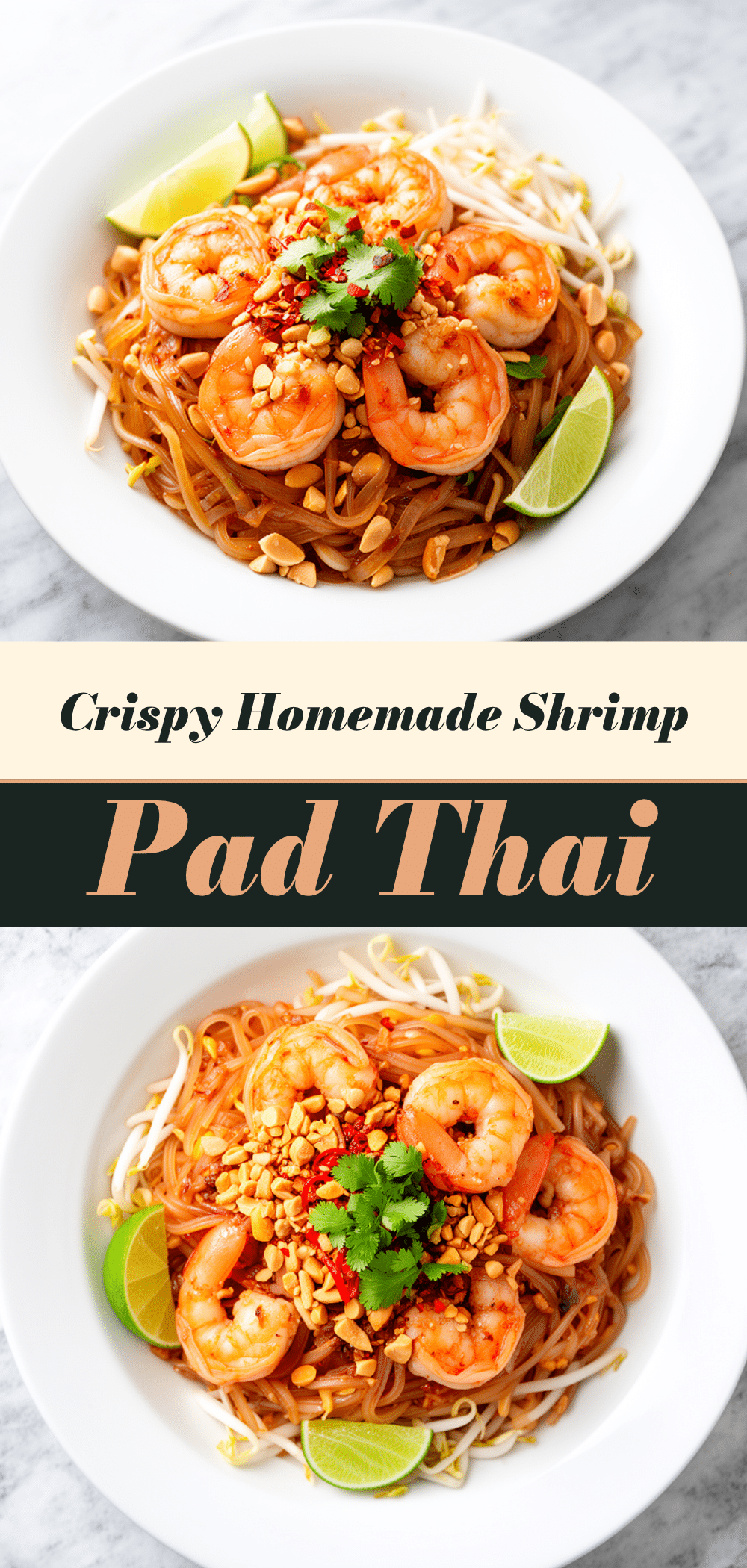
Homemade Shrimp Pad Thai: Easy 20-Minute Recipe
- Total Time: 20 minutes
- Yield: 4 servings 1x
Description
A quick and flavorful homemade shrimp pad thai that balances sweet, salty, sour, and spicy notes. This recipe uses simple pantry ingredients and takes only 20 minutes from start to finish, offering a better alternative to takeout.
Ingredients
- 8 ounces (225g) flat, wide rice stick noodles
- Hot tap water (for soaking noodles)
- 3 tablespoons (45g) tamarind paste
- 3 tablespoons (45ml) fish sauce
- 2 tablespoons (30g) brown sugar
- 2 tablespoons (30ml) freshly squeezed lime juice
- 3 cloves garlic, minced
- 1/2 teaspoon red pepper flakes
- 1 pound (450g) shrimp, peeled and deveined
- 2 large eggs
- 1 cup (60g) fresh bean sprouts
- 3 stalks green onions, sliced
- 1/4 cup (30g) crushed unsalted dry-roasted peanuts
- 2 tablespoons vegetable oil (divided)
- Salt and pepper to taste
Instructions
- Soak the rice noodles in a large bowl of hot tap water for 5-10 minutes until soft and pliable but still firm. Drain and set aside.
- In a small bowl, whisk together tamarind paste, fish sauce, brown sugar, and lime juice until the sugar is dissolved. Taste and adjust seasoning if needed.
- Mince garlic, slice green onions, and crush peanuts. Pat shrimp dry and season lightly with salt and pepper.
- Heat 1 tablespoon of oil in a large skillet over medium-high heat. Scramble eggs quickly until just set, then remove from pan and set aside.
- Increase heat to high. Add remaining 1 tablespoon of oil to the skillet. Sear shrimp in a single layer for 1-2 minutes per side until pink and opaque. Remove shrimp and set aside with eggs.
- Reduce heat to medium. Add drained noodles to the skillet. Pour sauce mixture over noodles and toss to coat evenly. Add minced garlic and white parts of green onions. Toss for 1-2 minutes until fragrant and heated through.
- Return shrimp and scrambled eggs to the pan. Add bean sprouts and toss for 1 minute until combined but still crisp.
- Serve immediately topped with crushed peanuts, green parts of green onions, and lime wedges. Squeeze fresh lime juice over the top before eating.
Notes
Do not boil the rice noodles; soaking them in hot water prevents them from becoming mushy or breaking. Ensure high heat is used for stir-frying to achieve a slight char and prevent sticking. The sauce should balance sweet, sour, and salty flavors. If using soy sauce instead of fish sauce, the flavor profile will shift slightly. Rice noodles do not freeze well.
- Prep Time: 10 minutes
- Cook Time: 10 minutes
- Category: Main Course
- Cuisine: Thai
Nutrition
- Serving Size: 1 bowl
- Calories: 480
- Sugar: 12
- Sodium: 680
- Fat: 14
- Saturated Fat: 2
- Carbohydrates: 65
- Fiber: 3
- Protein: 25
Keywords: shrimp pad thai, thai noodles, quick dinner, stir fry, pad thai recipe, easy thai food, weeknight dinner