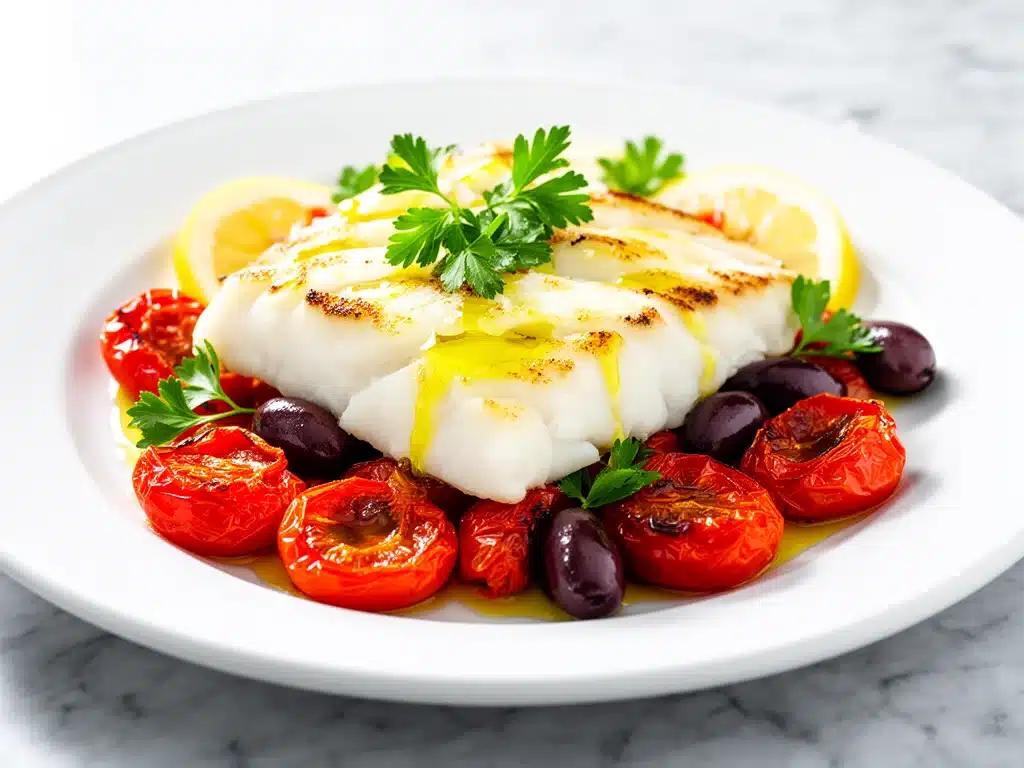
I have a confession to make. For years, I treated fish like it was made of glass. I was terrified of overcooking it, of it falling apart on the plate, or worse—tasting like the ocean floor. So, I stuck to the safe stuff. Chicken. Beef. Pasta. Things I could slam in a pan and not worry about.
Then, last summer, I was visiting my cousin in coastal Greece. I was sitting on a little terrace overlooking the Aegean, watching the sunset turn the water purple, when I ordered what I thought would be a simple dinner. It was baked cod. Just cod, tomatoes, olives, some olive oil, and oregano. No fancy sauces. No complicated techniques.
One bite, and I was done with my fear. It was flaky, juicy, and packed with so much bright, salty, savory flavor that I literally closed my eyes. It tasted like a vacation. And the best part? It took less time to bake than it took to browse recipes online.
That single meal changed how I cook seafood at home. I realized I’d been overcomplicating things. You don’t need a sous-vide machine or a fancy steam oven to get restaurant-quality fish. You just need good ingredients and the confidence to let the food speak for itself.
This Mediterranean baked cod with tomatoes and olives is that recipe. It’s the one I make when I want something that feels light and healthy but actually tastes indulgent. It’s better than takeout, easier than stir-fry, and it smells like summer even in the middle of winter. I’ve made it probably thirty times since that trip, tweaking it slightly each time until it became my absolute go-to weeknight dinner. And if you’re looking for other easy, healthy dinners, you might also enjoy this crispy roasted chickpea and cucumber salad for a side that holds up beautifully.
Why You’ll Love This Recipe
There are a dozen reasons I keep coming back to this dish, but let’s be real—you’re probably here because you want dinner to be easier. Here’s why this baked cod is about to become your new best friend.
Zero Guesswork
Most fish recipes require you to watch the pan like a hawk. Not this one. You toss everything in a baking dish, put it in the oven, and walk away. The oven does the work. You can’t over-stir it. You can’t burn it. You just wait until the timer dings and the house smells amazing.
Five Ingredients, Maximum Flavor
I’m serious. The base is just cod, tomatoes, olives, garlic, and olive oil. That’s it. But because tomatoes break down into a sauce, olives add brine, and garlic gets sweet and caramelized, it tastes like a complex stew. It’s flavor hacking at its finest.
Ready in 20 Minutes
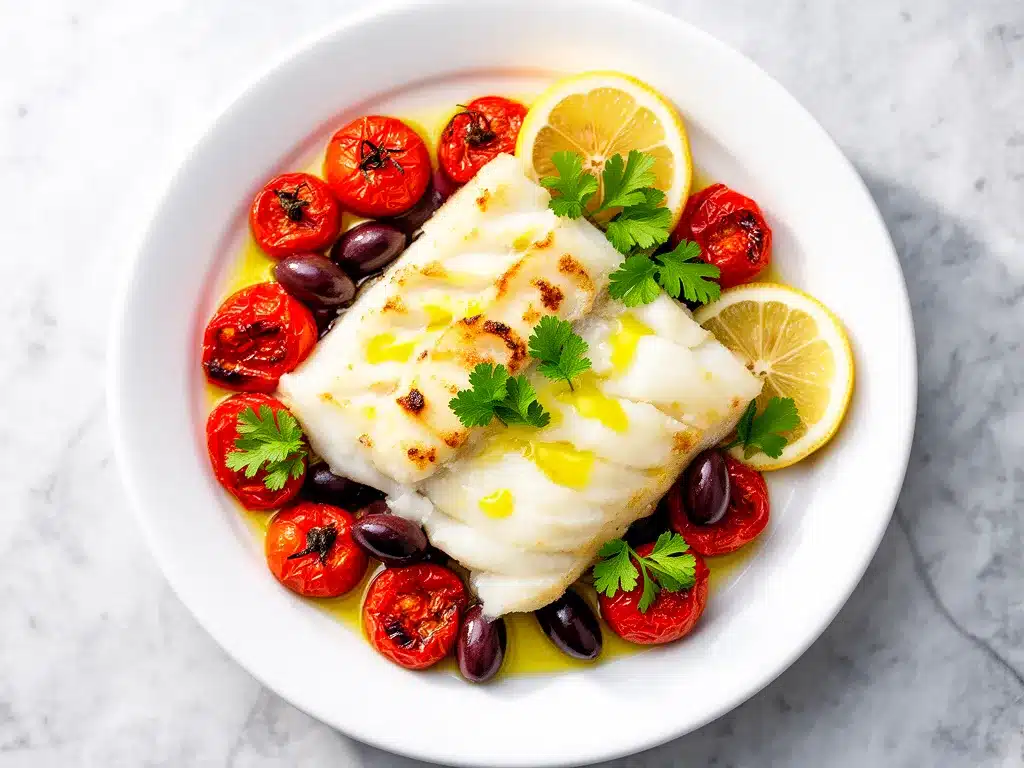
From preheating the oven to plating, you’re looking at about 20 minutes. That includes the time to chop the tomatoes and arrange the fish. If you buy pre-chopped tomatoes or use a can of high-quality San Marzanos, it’s even faster. This is the perfect meal for those nights when you’re exhausted but refuse to eat cereal for dinner.
Pantry-Friendly
You probably have almost all of this already. Olive oil? Check. Canned tomatoes? Check. Olives? Check. Cod? If you don’t have it, it’s cheap and easy to find at any grocery store. Unlike my creamy crockpot sausage and peppers, which requires a slow cooker and specific sausage links, this recipe uses tools you already own.
Healthy Without Being Sad
This isn’t one of those “diet” meals that leaves you hungry an hour later. The healthy fats from the olive oil and the protein from the fish keep you full. It’s light on the stomach, which means no afternoon slump. It’s the kind of meal that makes you feel good about yourself while you’re eating it.
Real talk: I make this for my family, and even my pickiest eaters ask for seconds. It’s not “rabbit food.” It’s delicious, vibrant, and satisfying. That’s the magic of Mediterranean cooking.
Ingredients You’ll Need
Here’s the thing about this recipe: the quality of your ingredients matters more than the technique. Since there are so few of them, each one has to pull its weight. I’m not going to bore you with a long shopping list, but I will tell you exactly what to look for so you don’t end up with dry, flavorless fish.
The Fish
White Fish Fillets (Cod, Halibut, or Tilapia) (1.5 lbs / 700g) — Cod is the classic choice because it’s mild and flakes easily. But honestly? Any firm white fish works. Halibut is a bit meatier and holds up well. Tilapia is cheap and widely available. Avoid thin, flaky fish like flounder unless you’re careful—they fall apart too easily. Look for fillets that are about 1-inch thick. If they’re paper-thin, they’ll overcook before the tomatoes are done.
The Sauce Base
Crushed Tomatoes or Diced Tomatoes (1 can / 14 oz) — I prefer crushed tomatoes because they break down into a nice, rustic sauce. If you use diced tomatoes, chop them a bit more. Avoid tomato sauce or paste; you need the texture and liquid. Look for a can with added basil or oregano for an extra flavor boost, though plain is fine too.
Kalamata Olives (½ cup / 75g) — These are non-negotiable for me. They’re briny, slightly fruity, and add that authentic Mediterranean punch. Green olives work, but they’re sharper. Black olives are too mild. Kalamata gives you that perfect salty bite that contrasts with the sweet tomatoes.
Extra Virgin Olive Oil (3 tablespoons / 45ml) — Don’t skimp here. This is your primary fat source and flavor carrier. Use a good quality one. If you’re using an expensive bottle for salads, save it. Use a mid-range, fruity extra virgin here. It needs to stand up to the heat.
The Aromatics & Herbs
Garlic (4 cloves, minced / about 2 tablespoons) — Fresh garlic only. Jarred garlic has a sulfurous taste that clashes with the delicate fish. Mince it finely so it disperses evenly. If you’re feeling lazy, a garlic press works, but a knife gives you better control.
Dried Oregano (1 teaspoon) — This is the herb that defines Mediterranean cuisine. Use the dried stuff; it’s more potent and earthy than fresh. Fresh oregano can get slimy in the oven. If you only have fresh, use a tablespoon, but dried is traditional and better for baking.
Lemon (1 medium) — You’ll need juice from half the lemon to drizzle over the fish before baking, and the other half for serving. The acid cuts through the richness of the oil and brightens the whole dish. Don’t skip the lemon.
Salt and Black Pepper — Kosher salt is best for seasoning. Freshly cracked black pepper adds a nice heat. Taste your tomatoes before adding salt, as olives and some canned tomatoes can be salty already.
Optional Add-Ins
Feta Cheese (¼ cup, crumbled) — If you want a creamy, tangy element, sprinkle feta on top in the last 5 minutes of baking. It melts slightly and adds a nice texture contrast. I do this when I want to feel fancy.
Red Pepper Flakes (½ teaspoon) — For a little kick. If you like heat, this is your friend. If you’re cooking for kids, leave it out.
For Serving
Fresh Parsley or Basil — Chopped fresh herbs added at the end bring color and freshness. Dried herbs lose their potency, so fresh is worth the trip to the store.
Crusty Bread — You need something to soak up that tomato-olive sauce. A baguette, ciabatta, or even warm pita works. I usually buy bread on the way home from the store so it’s fresh.
Equipment Needed
You don’t need a fancy kitchen for this. Here’s what I actually use, and what works.
9×13 Inch Baking Dish — A glass or ceramic dish is ideal. It heats evenly and looks nice if you bring it straight to the table. I use a Pyrex dish because it’s durable and I can see the browning on the edges. Metal pans work too, but they cook faster, so keep an eye on it.
Mixing Bowl — Just a medium bowl to mix your tomatoes, olives, garlic, and oil. Any bowl will do.
Knife and Cutting Board — For mincing garlic and chopping tomatoes if needed. A sharp knife makes this way easier.
Measuring Spoons — For the oregano and salt. I’m not precise with the olive oil, but I’m precise with the spices. Too much oregano can be overpowering.
Pastry Brush or Spoon — To brush the fish with olive oil. A spoon works fine if you’re not fancy.
Oven — Obviously. Preheat it to 400°F (200°C). Make sure it’s fully preheated so the fish cooks evenly from the start.
Serving Spoon — To scoop the fish and sauce onto plates. A slotted spoon helps if you want to separate the fish from the sauce, but I usually serve them together.
That’s it. No special gadgets. No fancy tools. Just basic kitchen staples. If you can handle a baking dish and an oven, you can make this.
How to Make It: Step-by-Step
Alright, let’s get cooking. I’m going to walk you through exactly how I do it, including the little tricks that make the difference between good and great.
Step 1: Prep Your Oven and Dish (2 minutes)
Preheat your oven to 400°F (200°C). While it’s heating, grab your 9×13 baking dish. You don’t need to grease it if you’re using a glass dish, but a light spray of olive oil prevents any sticking. This is a good time to wash your bowls and get your workspace ready.
Step 2: Make the Tomato-Olive Mixture (3 minutes)
In your mixing bowl, combine the crushed tomatoes, Kalamata olives, minced garlic, dried oregano, and half of your olive oil. Stir it well. The garlic should be evenly distributed. Taste the mixture—it should be savory and aromatic. If it tastes bland, add a pinch more salt. This mixture will become the sauce that keeps the fish moist.
Step 3: Prepare the Fish (2 minutes)
Pat the fish fillets dry with paper towels. This is crucial. Moisture is the enemy of good baking. If the fish is wet, it steams instead of baking, and you won’t get that nice texture. Place the fillets in the baking dish in a single layer. If they overlap, they’ll cook unevenly. Season the top of each fillet with salt, pepper, and a squeeze of lemon juice. Drizzle the remaining olive oil over the fish.
Step 4: Assemble and Bake (15-18 minutes)
Pour the tomato-olive mixture over the fish. It doesn’t need to cover it completely, but get as much of it on top as possible. The sauce will bubble and thicken as it bakes. Put the dish in the preheated oven. Bake for 15-18 minutes. The exact time depends on the thickness of your fillets. The fish is done when it flakes easily with a fork and is opaque throughout. Do not overcook it! It will continue to cook slightly after you take it out.
Step 5: Check for Doneness
Insert a fork into the thickest part of the fish and twist gently. If it separates into clean flakes, it’s done. If it’s still translucent in the middle, give it another 2-3 minutes. Remember, residual heat will finish the job. I usually take it out when it’s just barely cooked through.
Step 6: Garnish and Serve
Remove the dish from the oven. Sprinkle with fresh parsley or basil if you’re using them. If you’re adding feta, do it now and let it melt for the last minute. Serve immediately with crusty bread. The sauce should be hot and bubbling. If it’s too thick, add a splash of water or white wine to loosen it up.
Total Time: About 20 minutes (5 minutes prep, 15 minutes cook).
Expert Tips & Tricks
Here’s everything I’ve learned from making this dozens of times. These tips will save you from my mistakes.
Don’t Overcrowd the Pan
If you have thick fillets, make sure they’re not touching. Air needs to circulate for even cooking. If you’re baking for a crowd, use two dishes. Overcrowding leads to steaming, not baking.
Pat the Fish Dry
I can’t stress this enough. Wet fish = steamed fish. Dry fish = baked fish. Use paper towels and really press down. It takes 30 seconds but makes a huge difference in texture.
Use Good Olives
Don’t use the cheap, briny green olives from a jar. They’re too salty and lack flavor. Kalamata olives are worth the extra cost. If you can’t find them, use high-quality black olives, but avoid the ones in the little plastic cups—they’re often mushy.
Adjust for Thickness
Thin fillets cook in 10-12 minutes. Thick fillets need 18-20 minutes. If you’re unsure, check at 15 minutes. The fish should be opaque, not translucent. If it’s still raw in the middle, cover it with foil and bake for another 2 minutes to prevent the top from burning.
Add Wine for Depth
If you want a more complex flavor, add ¼ cup of dry white wine to the tomato mixture. It adds acidity and depth. I usually use a Sauvignon Blanc or Pinot Grigio. You don’t need expensive wine, but don’t use cooking wine—it’s full of salt and preservatives.
Common Mistakes (and how to avoid them)
Mistake: Fish is dry and tough.
Fix: You overcooked it. Start checking at 15 minutes. Fish continues to cook after removal. Also, make sure you’re using a thick fillet. Thin fillets dry out fast.
Mistake: Sauce is too watery.
Fix: Your tomatoes had too much liquid. Drain canned tomatoes before using, or bake for an extra 5 minutes uncovered to reduce the sauce.
Mistake: Garlic is burnt and bitter.
Fix: Your oven was too hot, or the garlic was too close to the heating element. 400°F is perfect. If your oven runs hot, check earlier. Also, make sure the garlic is mixed into the wet sauce, not sitting on top of the dry fish.
Variations & Substitutions
Once you’ve nailed the basic version, here’s how you can mix it up. I’ve tried all of these.
Shrimp Version
Swap the cod for large shrimp. They cook in 8-10 minutes, so reduce the baking time. Toss the shrimp with the tomato mixture and bake until pink. It’s even faster and just as delicious.
Salmon Version
Salmon works beautifully here. It’s richer, so you might want to reduce the olive oil slightly. The tomatoes and olives complement the salmon’s natural fattiness perfectly. Bake for 12-15 minutes.
Veggie-Loaded
Add sliced zucchini, bell peppers, or spinach to the baking dish. Layer them under or around the fish. The vegetables will roast in the tomato sauce and add bulk to the meal. This is great for stretching the recipe to feed more people.
Spicy Version
Add red pepper flakes, chopped jalapeños, or a dash of hot sauce to the tomato mixture. If you like heat, this version is amazing. It’s like a Mediterranean shrimp scampi without the pasta.
Dietary Modifications
Gluten-Free — This recipe is naturally gluten-free. Just make sure your canned tomatoes and olives don’t have added thickeners or flavorings with gluten (rare, but check labels).
Dairy-Free — This is naturally dairy-free. If you add feta, it’s not. Skip the feta or use a dairy-free alternative.
Lower-Sodium — Use low-sodium canned tomatoes and rinse the olives before adding them. This reduces the salt content significantly. Perfect if you’re watching your sodium intake.
Serving & Storage
How to serve this so it feels special, and how to handle leftovers.
How to Serve
I usually serve this straight from the baking dish at the dinner table. It looks rustic and stays warm. But here are other ways I’ve enjoyed it:
- Over Couscous or Quinoa: Spoon the fish and sauce over a bed of fluffy couscous or quinoa. The grains soak up the sauce perfectly.
- With Polenta: Creamy polenta is a classic pairing. The smooth texture contrasts with the chunky sauce.
- In a Wrap: Flake the fish into a pita with some lettuce and tzatziki. It’s a great lunch option.
- With Roasted Potatoes: Serve with roasted baby potatoes seasoned with rosemary and garlic.
Wine Pairing: Not a wine expert, but my wine-snob friend says a crisp Sauvignon Blanc or a light Pinot Grigio works great. Something with high acidity to cut through the oil.
Storage Instructions
Refrigerator: Store leftovers in an airtight container for up to 3 days. The fish will absorb more sauce, so it might look wetter. That’s normal.
Reheating: Best method: Reheat in a skillet over low heat with a splash of water or broth. This keeps it moist. Microwave method: Heat in 30-second intervals, stirring between. Add a splash of water to prevent drying. Avoid high heat, or the fish will become rubbery.
Freezing: Honestly, this doesn’t freeze well. The texture of the fish changes, and the sauce can separate. Make it fresh or store in the fridge for up to 3 days. If you must freeze, freeze the sauce separately and add fresh fish when reheating.
Nutrition Information
I’m not a nutritionist, but here’s the breakdown if you’re tracking. This is per serving (based on 4 servings).
Calories: 320
Protein: 28g
Carbs: 12g
Fiber: 3g
Sugar: 6g
Fat: 18g
Saturated Fat: 3g
Cholesterol: 75mg
Sodium: 650mg
What’s Good: High in protein, low in carbs, rich in healthy fats from olive oil. Good source of vitamins from tomatoes and olives.
What to Know: Sodium can be high depending on the olives and tomatoes. Use low-sodium versions to reduce. Contains fish allergens.
My Take: This is a balanced, nutrient-dense meal. It’s not a diet food, but it’s far healthier than most takeout options. When I want to make it lighter, I use less olive oil and add more vegetables. But usually? I just eat a reasonable portion and enjoy it. It’s comfort food that’s actually good for you.
Final Thoughts
So that’s my Mediterranean baked cod with tomatoes and olives! I’ve probably talked your ear off at this point, but when you make a recipe this often, you have a lot to say about it.
This has saved weeknight dinners more times than I can count. It’s my answer to “what’s for dinner” when I’m tired, don’t want takeout, and still want something that tastes really good. My kids are happy, my husband’s happy, and I’m happy because I’m not stressed about cooking.
Make it yours! Try different add-ins, swap in your favorite vegetables, adjust the garlic (though more is always better in my opinion). The best recipes are the ones you adapt to your family’s tastes. And if you’re looking for other easy, healthy dinners, you might also enjoy this hot honey ground beef and sweet potato bowl for a completely different vibe.
If you make this, drop a comment and let me know what you think! I love hearing how recipes turn out in your kitchen. And if something doesn’t work, tell me that too—I’m here to help troubleshoot.
Happy cooking! And I hope your kitchen smells half as good as mine does right now.
Frequently Asked Questions
Can I use frozen cod?
Yes, but you need to thaw it completely first. Pat it dry very well before baking. Frozen fish can release more water, so you might need to bake it a minute longer. Fresh is always better for texture, but frozen works in a pinch.
Why did my sauce turn out watery?
Canned tomatoes often have a lot of liquid. If you want a thicker sauce, drain the tomatoes before using, or bake uncovered for an extra 5 minutes to reduce. You can also add a teaspoon of tomato paste to the mixture for extra body.
Can I make this ahead for a dinner party?
Sort of. You can prep the tomato mixture and chop the fish ahead of time. Store them separately in the fridge. When you’re ready to cook, assemble and bake. The fish will cook faster if it’s cold, so check it a minute early. Don’t bake it fully ahead and reheat—it will be dry.
What if I don’t have Kalamata olives?
Green olives work, but they’re sharper. Black olives are milder. If you have neither, you can skip them, but you’ll miss the briny flavor. A splash of balsamic vinegar can add some acidity if you’re omitting olives entirely.
Can I use salmon instead of cod?
Absolutely. Salmon is richer, so you might want to reduce the olive oil slightly. Bake for 12-15 minutes. It’s delicious and just as healthy.
How do I know when the fish is done?
It should be opaque throughout and flake easily with a fork. If it’s still translucent in the middle, it needs more time. The internal temperature should reach 145°F (63°C), but I usually take it out at 140°F because it will continue to cook.
Can I add vegetables to this?
Yes! Zucchini, bell peppers, spinach, and asparagus all work great. Add them to the baking dish with the fish. They’ll roast in the sauce and add bulk. Just make sure they’re cut into similar sizes so they cook evenly.
Pin This Recipe!
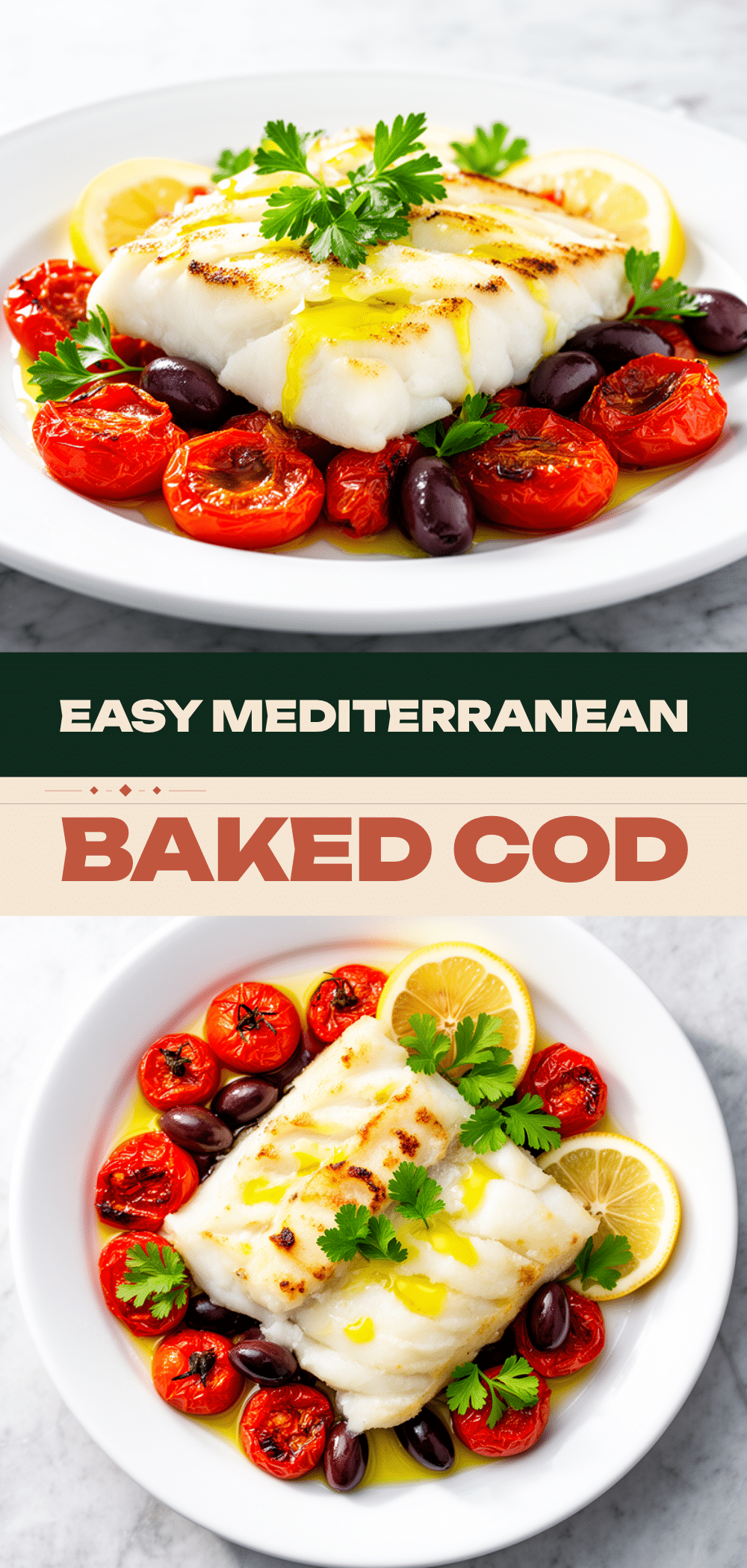
Mediterranean Baked Cod with Tomatoes and Olives
- Total Time: 20 minutes
- Yield: 4 servings 1x
Description
A simple, healthy, and flavorful weeknight dinner featuring flaky white fish baked with crushed tomatoes, Kalamata olives, garlic, and oregano. Ready in just 20 minutes with minimal effort.
Ingredients
- 1.5 lbs (700g) White Fish Fillets (Cod, Halibut, or Tilapia)
- 1 can (14 oz) Crushed Tomatoes or Diced Tomatoes
- ½ cup (75g) Kalamata Olives
- 3 tablespoons (45ml) Extra Virgin Olive Oil
- 4 cloves Garlic, minced
- 1 teaspoon Dried Oregano
- 1 medium Lemon (juice from half for baking, half for serving)
- Salt and Black Pepper to taste
- Optional: ¼ cup Crumbled Feta Cheese
- Optional: ½ teaspoon Red Pepper Flakes
- Optional: Fresh Parsley or Basil for garnish
Instructions
- Preheat oven to 400°F (200°C). Lightly grease a 9×13 inch baking dish with olive oil.
- In a mixing bowl, combine crushed tomatoes, Kalamata olives, minced garlic, dried oregano, and half of the olive oil. Stir well to distribute the garlic evenly.
- Pat fish fillets dry with paper towels to ensure proper baking texture. Place fillets in the baking dish in a single layer.
- Season the top of each fillet with salt, pepper, and a squeeze of lemon juice. Drizzle the remaining olive oil over the fish.
- Pour the tomato-olive mixture over the fish. It does not need to cover the fish completely.
- Bake for 15-18 minutes, or until the fish is opaque throughout and flakes easily with a fork.
- Remove from oven. If using feta, sprinkle it on top and let it melt for the last minute. Garnish with fresh parsley or basil.
- Serve immediately with crusty bread, couscous, quinoa, or roasted potatoes.
Notes
Pat the fish dry before baking to prevent steaming. Ensure fillets are about 1-inch thick to avoid overcooking. If using thin fillets, reduce baking time to 10-12 minutes. For a thicker sauce, drain canned tomatoes or bake uncovered for an extra 5 minutes. This recipe is naturally gluten-free; check labels on canned goods for hidden gluten.
- Prep Time: 5 minutes
- Cook Time: 15 minutes
- Category: Main Course
- Cuisine: Mediterranean
Nutrition
- Serving Size: 1 fillet with sauce
- Calories: 320
- Sugar: 6
- Sodium: 650
- Fat: 18
- Saturated Fat: 3
- Carbohydrates: 12
- Fiber: 3
- Protein: 28
Keywords: Mediterranean cod, baked fish, healthy dinner, quick seafood, tomato olive fish, weeknight dinner, gluten-free, dairy-free