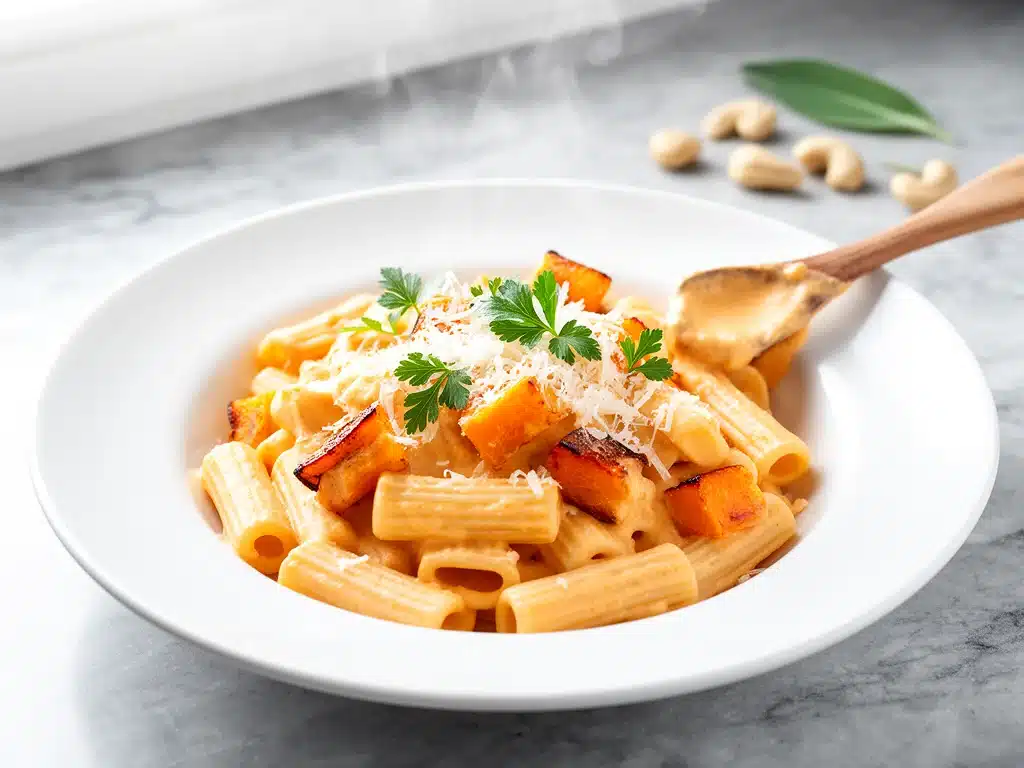
Last Tuesday, I was staring into my fridge with that specific kind of despair that only hits around 6:30 PM. You know the one. You have half a jar of pickles, some wilting spinach, and a butternut squash that is somehow still hard as a rock. I was exhausted. I didn’t want to order takeout (my wallet was already crying), but I definitely didn’t want to chop, sauté, and sweat over a stove for an hour.
So I did what any desperate home cook does: I threw everything into the blender.
I roasted the squash because it was the only thing that wouldn’t take forever to cook raw. I tossed it into the blender with a carton of coconut milk, a splash of soy sauce for depth, and a handful of nutritional yeast because I had it lying around. I figured, worst case scenario, I’d have a weird soup. Best case? Maybe a weird sauce.
Thirty minutes later, I was eating the most incredible pasta of my life. It was creamy, rich, savory, and completely plant-based. My partner, who usually demands meat on his plate, asked for seconds before I’d even finished my first bowl. That’s when I knew I had found something special.
This vegan creamy butternut squash pasta isn’t just a “diet meal.” It’s not one of those sad salads disguised as dinner. It’s comfort food. It’s the kind of dish that makes your kitchen smell like autumn and feels like a warm hug. And the best part? It uses simple ingredients you probably already have, or can grab on a quick trip to the store. It’s become my go-to weeknight savior, right up there with my crispy roasted chickpea and cucumber salad for quick, satisfying meals.
Why You’ll Love This Recipe
I’ve tested this vegan creamy butternut squash pasta recipe about a dozen times in the last three months. I’ve tweaked the ratios, swapped out spices, and even tried using different types of squash. Here’s why this specific version is the winner:
It’s Actually Creamy (No Cashews Needed) — I know, I know. The internet is obsessed with cashew cream. And sure, it works. But it requires soaking cashews, planning ahead, and dealing with a gritty texture if your blender isn’t high-end. This method uses roasted squash and coconut milk to create a silky, restaurant-quality sauce that takes zero prep time. It’s smooth, rich, and completely dairy-free.
Stupid Simple Ingredients — Seriously, if you can boil water and blend ingredients, you can make this. I’m talking four main components for the sauce. No weird powders or hard-to-find health food store items. Just squash, coconut milk, soy sauce, and spices. It’s pantry-friendly and budget-smart. I usually spend less than $10 on this entire meal, including the pasta.
Ready in 25 Minutes — Okay, technically the squash roasting takes 30-40 minutes, but here’s the trick: I roast the squash on Sundays in big batches. On weeknights, I just scoop it out, blend it, and boil pasta. If I don’t have pre-roasted squash, I use a microwave hack (more on that in the tips) to cut the time down significantly. This is a genuine 30-minute dinner from start to finish.
Flavor That Packs a Punch — Don’t let the “vegan” label fool you into thinking this tastes bland. The combination of sweet roasted squash, salty soy sauce, and warm spices creates a complex flavor profile that’s savory, slightly sweet, and deeply satisfying. It’s the perfect balance. I’ve served this to my non-vegan friends, and they always ask for the recipe, convinced it has heavy cream in it.
Makes Amazing Leftovers — This pasta actually tastes better the next day. The flavors meld together overnight, and the sauce thickens up nicely. I deliberately make extra for lunch. It reheats beautifully in the microwave (just add a splash of water) and stays creamy all week long.
This is my answer to “what’s for dinner” when I’m tired, broke, or just don’t feel like cooking. It’s reliable, delicious, and makes everyone at the table happy. No complicated techniques, no weird ingredients, just good, honest food.
Ingredients You’ll Need
Here’s the best part: you probably have most of this already. This vegan creamy butternut squash pasta relies on whole, simple ingredients. I’m particular about three things here, and I’ll tell you exactly why they matter.
For the Sauce
Butternut Squash (1 medium, about 3-4 cups cubed / 600g) — This is the star. Fresh squash gives the best flavor, but frozen pre-cubed butternut squash works perfectly fine and saves so much time. I buy the frozen kind when I’m lazy. Just make sure it’s thawed and drained well. Avoid the fresh ones that are huge and hard to peel unless you have a good knife and some patience.
Full-Fat Coconut Milk (1 can, 13.5 oz / 400ml) — Do not use light coconut milk. Do not use coconut water. You need the thick, creamy stuff from the can. Shake the can well before opening. This provides the rich, dairy-free creaminess that makes the sauce luxurious. If you don’t like coconut flavor, don’t worry—it’s subtle and gets overpowered by the spices.
Soy Sauce (2 tablespoons / 30ml) — This is the secret weapon. It adds saltiness and umami, replacing the savory depth you’d usually get from Parmesan cheese. I use low-sodium soy sauce so I can control the salt level. Tamari is a great gluten-free alternative.
Garlic (4 cloves, minced / about 2 tablespoons) — Fresh garlic is non-negotiable here. Jarred garlic just doesn’t have the punch needed to cut through the richness of the coconut milk. Mince it finely so it melts into the sauce.
Onion (1 small yellow onion, diced / about 150g) — Adds sweetness and body. I sauté this first to build a flavor base. Yellow onion is standard, but sweet onions work too if that’s what you have.
For the Spice Blend
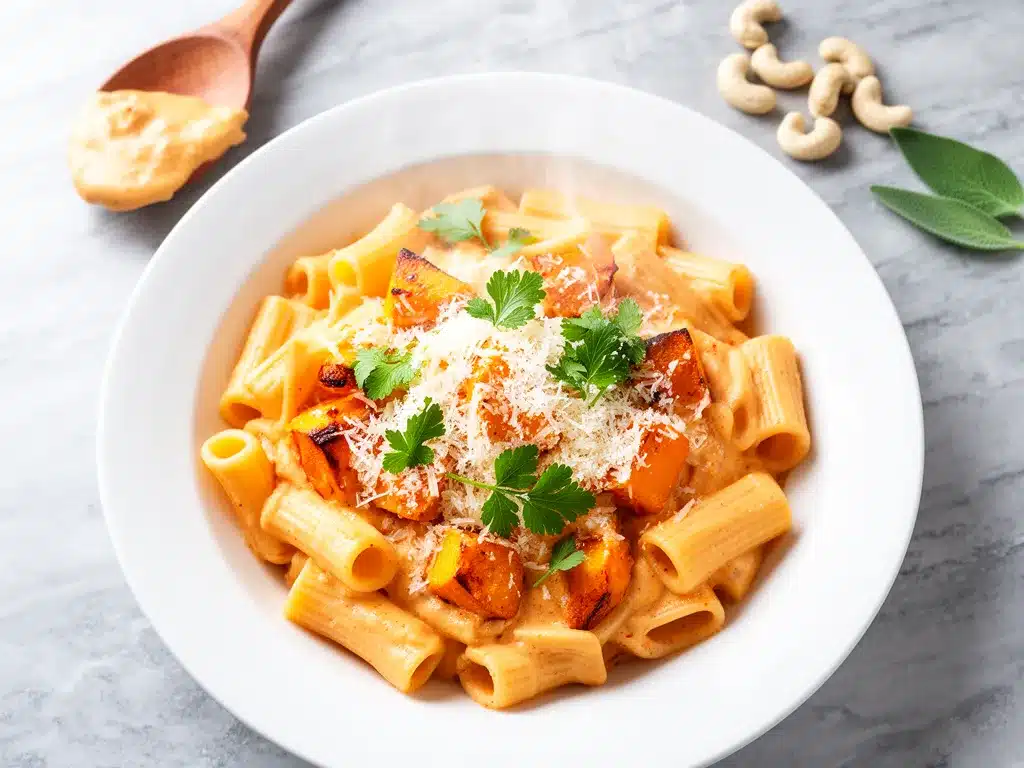
Nutritional Yeast (2 tablespoons) — This is what gives it that “cheesy” flavor. It’s a staple in vegan cooking. If you hate the taste of nutritional yeast, you can skip it, but I highly recommend trying it. It adds a savory, nutty depth that is essential for this recipe.
Smoked Paprika (1 teaspoon) — Adds a subtle smokiness that mimics the char from roasting. It’s not spicy, just smoky. If you don’t have smoked paprika, regular paprika works, but you’ll lose that depth.
Ground Cumin (½ teaspoon) — Just a pinch. It adds warmth and complexity. Don’t skip it; it ties the sweet squash and savory soy sauce together.
Red Pepper Flakes (½ teaspoon, optional) — For a little kick. I always add this because I like a bit of heat. Adjust to your tolerance.
Salt and Black Pepper — To taste. Remember, the soy sauce is salty, so taste before adding extra salt.
For the Pasta
Pasta (1 pound / 450g) — I use penne, rigatoni, or farfalle. Short pasta with nooks and crannies holds the thick sauce better than long spaghetti. You can use any pasta you like, but shell-shaped pastas are best. Whole wheat or gluten-free pasta works too, just watch the cooking time.
Optional Add-ins
Chickpeas (1 can, drained) — For extra protein and heartiness. I toss these in at the end. It turns this into a more filling meal.
Spinach (2 cups, fresh) — Stir it in at the very end. It wilts instantly and adds color and nutrition. My kids don’t even notice it’s there.
Crispy Onions or Toasted Pecans — For topping. Adds crunch and texture contrast to the creamy sauce.
Equipment Needed
You don’t need fancy equipment for this. Here’s what I actually use:
Baking Sheet — For roasting the squash. I use a rimmed baking sheet. Line it with parchment paper for easy cleanup. I hate scrubbing pans.
Blender — A high-speed blender like a Vitamix or Blendtec works best for a silky smooth sauce. But a standard blender or even an immersion blender works fine. Just make sure it’s powerful enough to break down the cooked squash completely.
Large Pot — For boiling the pasta. I use a 6-quart pot. It needs to fit a pound of pasta comfortably.
Large Skillet — 12-inch works best for sautéing the onions and garlic. I prefer stainless steel, but non-stick is easier for cleanup.
Sharp Knife — For dicing the onion and mincing garlic. Dull knives make you cry more—learned this the hard way.
Measuring Cups and Spoons — Standard stuff. Dollar store versions work fine.
Colander — For draining pasta. Or just use the lid to drain—I do this when I’m being lazy.
Optional but nice:
- Parchment Paper — For the baking sheet. Makes cleanup so much easier.
- Immersion Blender — If you don’t want to transfer hot squash to a blender, you can blend it right in the pot. Just be careful with hot liquids.
How to Make It: Step-by-Step
Alright, let’s make this! I’m walking you through exactly how I do it, including the little tricks I’ve picked up.
Step 1: Roast the Squash (20-30 minutes active, 30-40 minutes total)
Preheat your oven to 400°F (200°C). If you’re using fresh butternut squash, peel it, remove the seeds, and cube it into 1-inch pieces. If you’re using frozen cubed squash, you can skip this step. Toss the squash cubes on a baking sheet with a drizzle of olive oil, salt, and pepper. Roast for 25-30 minutes until tender and slightly caramelized. I like it a bit browned because it adds flavor. Let it cool slightly before blending.
Step 2: Sauté the Aromatics (5 minutes)
While the squash roasts, heat a tablespoon of olive oil in a large skillet over medium heat. Add the diced onion and cook for 3-4 minutes until soft and translucent. Add the minced garlic, smoked paprika, cumin, and red pepper flakes. Cook for 1 minute, stirring constantly. The garlic should smell amazing but not brown—browned garlic tastes bitter. This step builds the flavor base.
Step 3: Blend the Sauce (2 minutes)
Transfer the roasted squash to a blender. Add the coconut milk, soy sauce, nutritional yeast, and the sautéed onion mixture. Blend on high until completely smooth and creamy. This should take about 1-2 minutes. If the sauce is too thick, add a splash of water or vegetable broth. Taste and adjust seasoning. Add more soy sauce for saltiness or nutritional yeast for cheesiness.
Step 4: Cook the Pasta (8-10 minutes)
Bring a large pot of salted water to a boil—it should taste like the ocean. Add pasta and cook according to package directions until al dente. IMPORTANT: Before draining, scoop out 1 cup of pasta water and set it aside. This starchy water is magic for the sauce. Drain the pasta and set aside.
Step 5: Combine and Simmer (5 minutes)
Pour the blended squash sauce into the skillet with the remaining onion mixture. Heat over medium-low heat, stirring constantly. Add the drained pasta to the sauce. Toss everything together until the pasta is well coated. If the sauce is too thick, add a splash of that pasta water you saved. If it’s too thin, let it simmer for a minute—it’ll thicken up.
Step 6: Add Veggies or Protein (Optional)
If you’re adding chickpeas or spinach, do it now. Stir in chickpeas and let them heat through for 2 minutes. Add spinach and stir until wilted. This is a great way to customize the meal.
Step 7: Serve
Serve immediately topped with extra nutritional yeast, fresh black pepper, and a drizzle of olive oil. Fresh parsley or basil is amazing here if you have it. I usually serve this straight from the skillet at the dinner table—it looks rustic and stays warm.
Total Time: About 30-40 minutes (depending on squash prep). Active time: 15 minutes.
Expert Tips & Tricks
Here’s everything I’ve learned from making this dozens of times. These tips will save you from my mistakes.
Use Frozen Squash to Save Time
I know some purists swear by fresh, but frozen cubed butternut squash is a game-changer for weeknight dinners. It’s already peeled and cubed. Just thaw it in the microwave for 2-3 minutes until soft, then blend it. No roasting required. The texture is slightly different, but the flavor is 95% as good. I use this method 80% of the time.
Don’t Skimp on the Soy Sauce
The soy sauce is what makes this taste savory and complex. Without it, the sauce can taste one-dimensionally sweet. I’ve tried recipes without it, and they’re just okay. The saltiness balances the natural sweetness of the squash. Use low-sodium so you can control the final salt level.
Blend Until Silky
If your sauce has lumps, keep blending. A lumpy sauce is fine, but a smooth, creamy sauce is what makes this dish special. If you’re using a standard blender, you might need to stop and scrape down the sides. Patience pays off here.
Save That Pasta Water
This is the #1 tip. That starchy water is what makes the sauce cling to the pasta perfectly. I forgot it once and the sauce was just okay instead of amazing. Now I set out a measuring cup before I even start cooking so I don’t forget.
Room Temperature Coconut Milk
Cold coconut milk can make the sauce separate if you add it to hot ingredients too quickly. I take my coconut milk out of the fridge 15 minutes before cooking. If I forget, I let it sit on the counter while I prep other things.
Common Mistakes (and how to avoid them):
- Sauce is too sweet: Add more soy sauce or a pinch of salt. Balance the flavors.
- Sauce is too thin: Simmer it longer to reduce, or add more nutritional yeast.
- Sauce is too thick: Add pasta water a little at a time. Don’t add plain water unless you have to.
Variations & Substitutions
Once you’ve nailed the basic version, here’s how you can mix it up. I’ve tried all of these.
Spicy Version
Add 1 teaspoon of cayenne pepper or double the red pepper flakes. It adds a nice kick that cuts through the creaminess. I love this version in the winter.
Curry Twist
Swap the smoked paprika and cumin for 1 tablespoon of curry powder. It gives the sauce a completely different, aromatic flavor. This is a favorite in my house.
Garlic Lover’s
Double the garlic. I mean, really double it. 8 cloves instead of 4. It’s strong, pungent, and delicious. Perfect if you’re hosting friends who love bold flavors.
Protein-Packed
Add 1 can of drained chickpeas or 2 cups of cooked lentils. Stir them in at the end. It makes the meal more filling and adds protein. This is how I make it work for my husband’s appetite.
Dietary Modifications:
- Gluten-Free: Use gluten-free pasta. Everything else is naturally gluten-free. I’ve used Barilla gluten-free and it works great.
- Low-FODMAP: Skip the onion and garlic, and use extra spices like turmeric and ginger. It won’t be the same, but it’s safer for sensitive stomachs.
- Nut-Free: This recipe is naturally nut-free (no cashews), so it’s safe for school lunches or nut-allergy households.
Serving & Storage
How to Serve:
I usually serve this straight from the skillet at the dinner table—it looks rustic and stays warm. But here are other ways I’ve enjoyed it:
- Side Dishes: Garlic bread (obviously), a simple green salad with balsamic vinaigrette, or roasted broccoli.
- Toppings Bar: When I have guests, I put out extra nutritional yeast, red pepper flakes, fresh basil, and crispy fried onions. Everyone customizes their bowl.
Storage Instructions:
- Refrigerator: Store in an airtight container for up to 4 days. The sauce will thicken in the fridge—totally normal.
- Reheating: Best method: Add to a skillet with a splash of milk or water over low heat. Stir until heated through and creamy again. Microwave method: Heat in 30-second intervals, stirring between. Add a splash of water if it’s too thick.
- Freezing: Honestly, this freezes okay, but the texture might change slightly. The coconut milk can separate a bit when thawed. If you freeze it, thaw in the fridge and reheat gently, whisking in a splash of coconut milk to bring back the creaminess. I usually just eat it within 4 days.
Nutrition Information
I’m not a nutritionist, but here’s the breakdown if you’re tracking. This is per serving (based on 4 servings).
| Nutrient | Amount |
|---|---|
| Calories | 450 |
| Protein | 12g |
| Carbs | 65g |
| Fiber | 8g |
| Sugar | 8g |
| Fat | 16g |
| Sodium | 400mg |
What’s Good: High in fiber from the squash and pasta. Good source of Vitamin A. Vegan and dairy-free. Moderate in calories, but very filling.
What to Know: Higher in carbs due to the pasta. Contains soy. If you’re watching sodium, use low-sodium soy sauce and skip the salt.
My Take: Look, this is comfort food. It’s not a diet recipe. But it’s way better than takeout, costs less, and I know exactly what’s in it. When I want to make it lighter, I use whole wheat pasta and add extra veggies. But usually? I just eat a reasonable portion and enjoy it.
Final Thoughts
So that’s my go-to vegan creamy butternut squash pasta! I’ve probably talked your ear off at this point, but when you make a recipe this often, you have a lot to say about it.
This has saved weeknight dinners more times than I can count. It’s my answer to “what’s for dinner” when I’m tired, don’t want takeout, and still want something that tastes really good. My kids are happy, my husband’s happy, and I’m happy because I’m not stressed about cooking.
Make it yours! Try different add-ins, swap in your favorite vegetables, adjust the spices. The best recipes are the ones you adapt to your family’s tastes. And if you’re looking for more easy, plant-based ideas, check out my best greek yogurt blueberry muffins for a sweet start to the day.
If you make this, drop a comment and let me know what you think! I love hearing how recipes turn out in your kitchen. And if something doesn’t work, tell me that too—I’m here to help troubleshoot.
Happy cooking! And I hope your kitchen smells half as good as mine does right now.
Frequently Asked Questions
Can I use milk instead of coconut milk?
You can, but the sauce will be much thinner and less rich. If you want to try it, use oat milk or almond milk (unsweetened) and add 2 tablespoons of flour or cornstarch to thicken it. Whisk the starch into the milk before adding to the pan. I’ve done this when I ran out of coconut milk—it works okay, just not as good as the real thing. Full-fat coconut milk is key for that creamy texture.
My sauce came out watery—what happened?
Usually means you didn’t let it simmer long enough to thicken, or you added too much pasta water at the end. Let the cream mixture simmer for a full 3-4 minutes before adding the pasta. If it’s already watery, turn up the heat and let it reduce for another few minutes. The pasta will also absorb some liquid.
Can I make this ahead for a dinner party?
Sort of. Make the sauce up to 2 days ahead and store in the fridge. Cook the pasta fresh right before serving (takes 10 minutes). Reheat the sauce gently and toss with hot pasta. It won’t be quite as good as fresh, but it’s close and saves you stress during the party. I do this all the time.
Why did my sauce get separated?
The heat was too high when you heated the sauce, which can cause the coconut milk to separate. Always heat the sauce over medium-low heat, stirring constantly. If it’s already separated, try whisking in a splash of warm water or a teaspoon of cornstarch slurry—it can sometimes help bring it back together.
Can I use jarred garlic?
You can, but fresh tastes so much better in this recipe. Jarred garlic has a weird metallic taste that really shows up in cream sauces. If you must use it, use half the amount because it’s stronger. But honestly, mincing 4 cloves takes like 2 minutes. Buy pre-peeled garlic cloves if you want to save time.
How do I reheat leftovers without it getting dry?
Add a splash of milk or water to a skillet, add your leftover pasta, and heat gently over low heat, stirring frequently. The extra liquid brings back the creamy texture. Microwave sort of works but tends to dry it out. If you do microwave, definitely add a splash of liquid first and heat in short bursts, stirring between.
Can I double this recipe?
Absolutely! Double everything and use your biggest pot. The cooking times stay the same. I do this when I’m meal-prepping or feeding a crowd. Just make sure your skillet is big enough for the sauce—you might need to use two pans or a very large skillet.
Pin This Recipe!
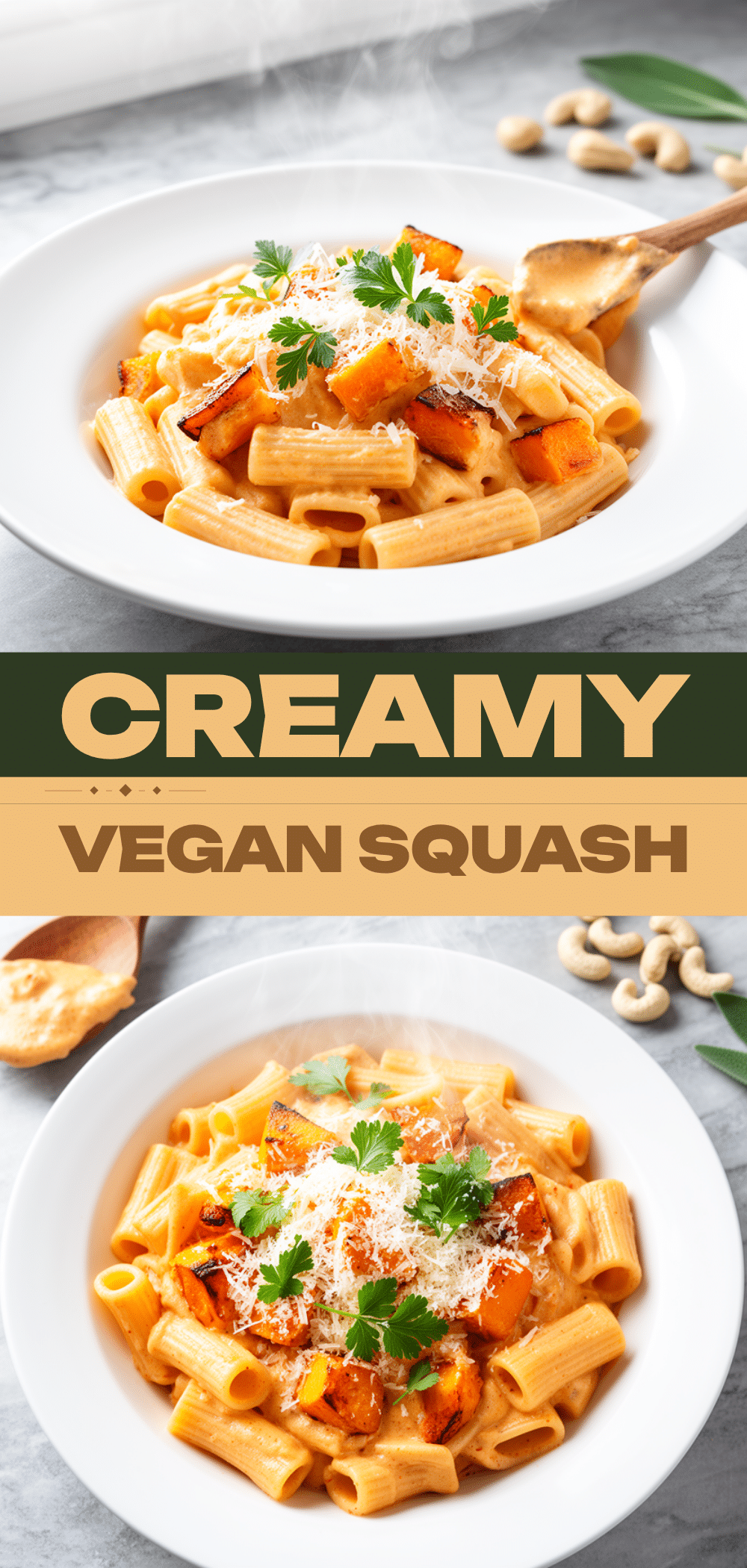
Vegan Creamy Butternut Squash Pasta
- Total Time: 45 minutes
- Yield: 4 servings 1x
Description
A creamy, plant-based weeknight dinner made with roasted butternut squash, coconut milk, and simple spices. This rich and savory pasta requires no cashews and comes together in about 30 minutes.
Ingredients
- 1 medium butternut squash (about 3–4 cups cubed / 600g), fresh or frozen
- 1 can (13.5 oz / 400ml) full-fat coconut milk
- 2 tablespoons soy sauce (or tamari for gluten-free)
- 4 cloves garlic, minced
- 1 small yellow onion, diced
- 1 pound pasta (penne, rigatoni, or farfalle)
- 2 tablespoons nutritional yeast
- 1 teaspoon smoked paprika
- 1/2 teaspoon ground cumin
- 1/2 teaspoon red pepper flakes (optional)
- Salt and black pepper to taste
- Olive oil for roasting and sautéing
Instructions
- Preheat oven to 400°F (200°C). Toss cubed squash with olive oil, salt, and pepper on a baking sheet. Roast for 25-30 minutes until tender and caramelized.
- While squash roasts, heat olive oil in a large skillet over medium heat. Sauté diced onion for 3-4 minutes until soft. Add garlic, smoked paprika, cumin, and red pepper flakes; cook for 1 minute until fragrant.
- Transfer roasted squash to a blender. Add coconut milk, soy sauce, nutritional yeast, and the sautéed onion mixture. Blend on high until completely smooth.
- Bring a large pot of salted water to a boil. Cook pasta according to package directions until al dente. Reserve 1 cup of pasta water before draining.
- Pour the blended sauce into the skillet with remaining onion mixture. Heat over medium-low. Add drained pasta and toss to coat. Add reserved pasta water as needed to adjust consistency.
- Stir in optional add-ins like chickpeas or spinach if desired. Serve immediately topped with extra nutritional yeast, black pepper, and olive oil.
Notes
For a quicker weeknight meal, use frozen cubed butternut squash which can be thawed in the microwave and blended without roasting. Ensure you save starchy pasta water to help the sauce cling to the noodles. The sauce may thicken in the fridge; reheat with a splash of water or milk to restore creaminess.
- Prep Time: 15 minutes
- Cook Time: 30 minutes
- Category: Main Course
- Cuisine: American
Nutrition
- Serving Size: 1 plate
- Calories: 450
- Sugar: 8
- Sodium: 400
- Fat: 16
- Saturated Fat: 12
- Carbohydrates: 65
- Fiber: 8
- Protein: 12
Keywords: vegan pasta, butternut squash, creamy sauce, weeknight dinner, gluten-free option, dairy-free, easy recipe, plant-based