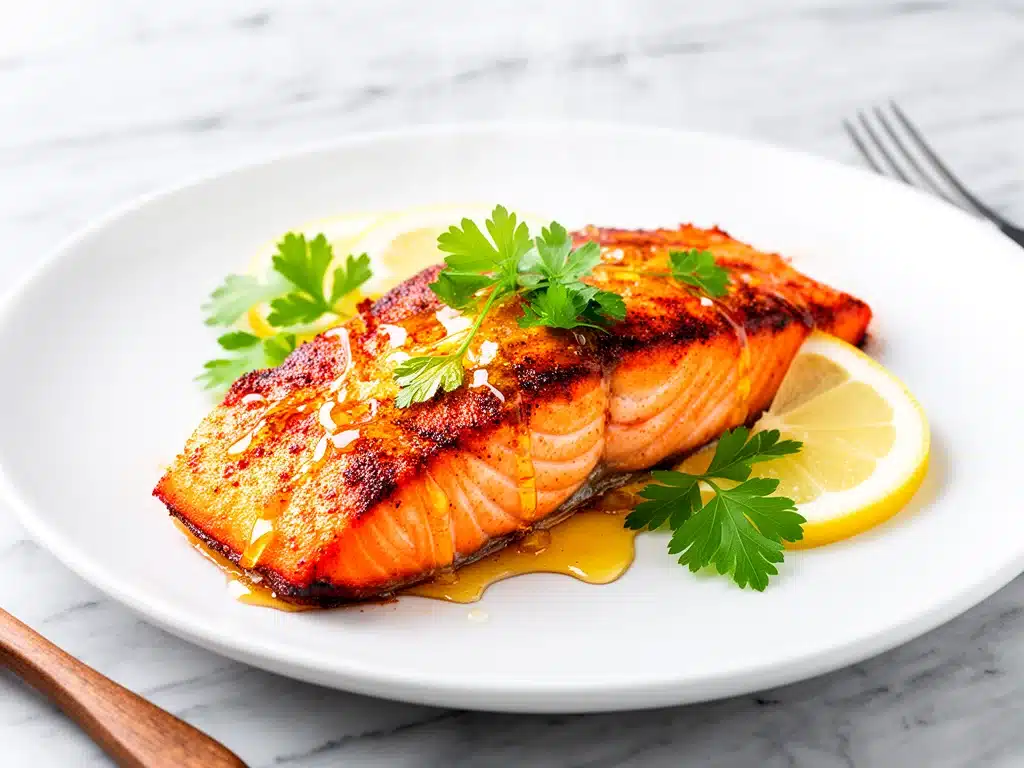
It was 6:45 PM on a Tuesday, and I was staring at the ceiling, wondering if I had the energy to stand in front of the stove for more than ten minutes. You know that feeling. You’ve been at work all day, your brain is fried, and the idea of chopping onions or monitoring a simmering pot feels like climbing Mount Everest. I had a family of four waiting to eat, and the fridge contained absolutely nothing but a single, sad-looking salmon fillet and some honey.
Most people would have ordered takeout. I’ve done it. We’ve all done it. But something in me rebelled against the idea of paying $25 for lukewarm food in a cardboard box. I pulled out my baking sheet, tossed in the salmon, and decided to throw together something fast, flavorful, and hopefully edible. I mixed up some Cajun seasoning with softened butter and honey, slathered it over the fish, and threw it in the oven.
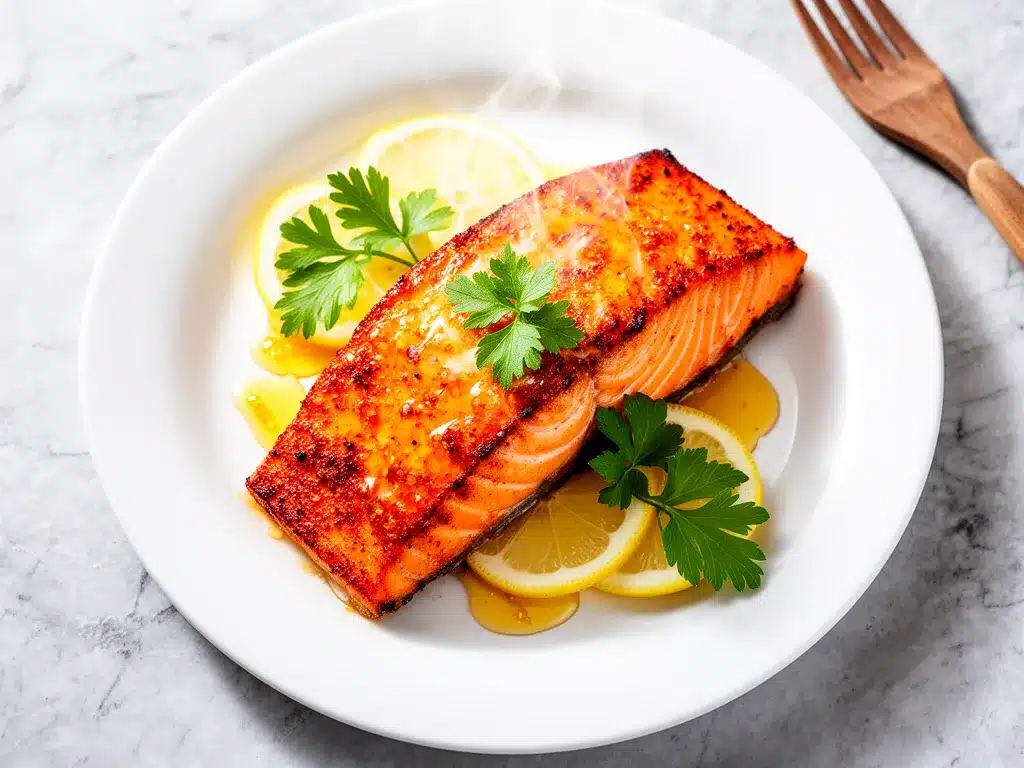
When the timer went off, the kitchen smelled like a sweet, spicy dream. My kids walked in, sniffed the air, and actually asked if I made anything good before they’d even seen it. I served it up, and within minutes, the plate was clean. Not a flake left. That was the night I discovered that Baked Cajun Honey Butter Salmon isn’t just a quick dinner—it’s a lifesaver for weeknights when you want something that tastes like you tried, but actually took zero effort.
I’ve made this at least a dozen times since that chaotic Tuesday. Sometimes I serve it with roasted veggies, sometimes with rice, and sometimes just with a big green salad. But the salmon itself? It’s always the star. The Cajun spice gives it a kick, the honey brings the sweetness, and the butter makes it melt-in-your-mouth tender. It’s honestly the easiest way to get dinner on the table when you’re running on empty.
Why You’ll Love This Recipe
There are a lot of reasons to add this to your rotation, but let’s be real: it’s the convenience that wins you over. Here’s why this Baked Cajun Honey Butter Salmon has become my go-to for busy nights:
- One Pan, Zero Stress — Seriously, you just mix the sauce, pour it over the fish, and bake. No searing, no flipping, no splattering oil on your stove. Cleanup takes about thirty seconds because you just toss the baking sheet in the dishwasher.
- Lightning Fast — From fridge to fork in about 20 minutes. If you have your salmon thawed (which it usually is, because I keep it in the freezer), you’re looking at 15 minutes of active time. It’s faster than waiting for pizza delivery.
- Flavor Bomb — The combination of Cajun spice, honey, and butter is addictive. It’s sweet, it’s spicy, and it’s savory all at once. My picky eaters, who usually turn their noses up at “fancy” fish, ask for seconds.
- Healthy-ish — It’s packed with omega-3s and protein, and because you’re baking instead of frying, it’s not drowning in extra oil. It feels indulgent, but it’s actually pretty good for you.
- Pantry Staples — You probably have the ingredients for the glaze already. Cajun seasoning, butter, honey—these are things I keep on hand for everything from honey garlic butter chicken to marinades for grilled veggies.
This recipe is my answer to “what’s for dinner?” when I have no energy but still want my family to eat something nutritious. It’s reliable, delicious, and forgiving. If you overcook it slightly, it’s still good. If you use a different spice blend, it’s still tasty. It just works.
Ingredients You’ll Need
Here’s the best part: this recipe relies on ingredients you likely already have. I’m not asking you to go to three different stores for obscure spices. Here’s what you need to make this Baked Cajun Honey Butter Salmon shine:
For the Salmon
Salmon fillets (1.5 to 2 pounds / 700-900g) — I use skin-on fillets because the skin keeps the moisture in and gets crispy in the oven. If you prefer skinless, that’s fine too, just keep an eye on the time so it doesn’t dry out. Look for fillets that are roughly the same thickness so they cook evenly. Wild-caught is great, but farmed works perfectly fine for this recipe.
Neutral oil (1 tablespoon / 15ml) — I use olive oil or avocado oil to grease the pan. Olive oil adds a nice flavor, but if you’re worried about burning, avocado oil has a higher smoke point. Just a little goes a long way to prevent sticking.
For the Cajun Honey Butter Glaze
Unsalted butter (4 tablespoons / 60g) — Softened is best here. If you’re in a rush, microwave it for 10 seconds until it’s soft but not liquid. Soft butter mixes with the honey and spices way easier than cold butter, which tends to clump.
Honey (3 tablespoons / 45ml) — This is where the sweetness comes from. It balances the heat of the Cajun spice. Any kind of honey works—clover, wildflower, or even the generic store brand. I like that it caramelizes slightly in the oven.
Cajun seasoning (1 tablespoon / 8g) — This is the star of the show. I use a classic blend like Zataran’s or Tony Chachere’s. If you’re watching sodium, look for a low-sodium version. If you don’t like spice, reduce this to 1 teaspoon. But honestly? The honey cuts the heat nicely, so don’t be shy.
Garlic powder (1 teaspoon / 2g) — Adds a savory depth. Fresh garlic can burn in the oven at high heat, so powder is safer and more consistent here. If you only have fresh, mince it very finely, but powder is easier.
Onion powder (1 teaspoon / 2g) — Complements the garlic. It’s subtle but adds that “restaurant-style” flavor profile.
Black pepper (½ teaspoon / 1g) — Freshly cracked is best. Just a little kick to round out the spice blend.
Optional: Lemon juice (1 teaspoon / 5ml) — I like to add a tiny splash of lemon juice to the glaze to cut through the richness of the butter and honey. It brightens everything up. If you’re out of lemons, skip it—it’s still delicious.
For Garnish
Fresh parsley (1 tablespoon, chopped) — Adds a pop of green color and a fresh herb note. It’s not mandatory, but it makes the dish look like you actually tried. I usually chop it while the salmon is baking.
Lemon wedges — For squeezing over the top before eating. The acidity cuts the sweetness perfectly.
Equipment Needed
You don’t need fancy gadgets for this. Here’s what I actually use:
Baking sheet — I use a standard half-sheet pan. Line it with parchment paper or aluminum foil for easy cleanup. I prefer foil because I can just crumple it up and toss it, but parchment is better if you hate static cling.
Small mixing bowl — Just a tiny bowl to whisk the butter, honey, and spices together. A ramekin works too.
Fork — For mixing the glaze. No need for a whisk here.
Pastry brush or spoon — To spread the glaze over the salmon. A spoon works fine if you’re not worried about precision.
Oven — Preheated to 400°F (200°C). That’s it. No sous vide, no air fryer (though that works too, see variations below).
How to Make It: Step-by-Step
Alright, let’s get this dinner on the table! I’m walking you through exactly how I do it, including the little tricks I’ve picked up over the years.
Step 1: Prep the Oven and Pan (2 minutes)
Preheat your oven to 400°F (200°C). While it’s heating, line a large baking sheet with parchment paper or foil. I spray it lightly with cooking spray or rub a little oil on it to ensure nothing sticks. This step is crucial because the honey will caramelize and stick if you don’t prep the pan.
Step 2: Prepare the Salmon (3 minutes)
Rinse your salmon fillets under cold water and pat them completely dry with paper towels. This seems minor, but drying the fish helps the glaze stick better. Place the fillets on the prepared baking sheet. If they are very thick, you can tuck under any thin ends so they cook evenly.
Step 3: Make the Glaze (2 minutes)
In a small bowl, combine the softened butter, honey, Cajun seasoning, garlic powder, onion powder, and black pepper. Whisk or stir with a fork until it’s a smooth, thick paste. If the butter is too hard, microwave for 5-10 seconds. You want it spreadable, not liquid.
Step 4: Coat the Salmon (1 minute)
Spread the glaze evenly over the top of each salmon fillet. Use all of it. Make sure to get into the nooks and crannies. You don’t need to coat the sides, just the top. The heat will melt the butter and flavors will penetrate the fish as it bakes.
Step 5: Bake (12-15 minutes)
Place the baking sheet in the preheated oven. Bake for 12-15 minutes. The exact time depends on the thickness of your fillets. A good rule of thumb: cook for 4-5 minutes per inch of thickness. The salmon is done when it flakes easily with a fork and reaches an internal temperature of 145°F (63°C). I usually check it at 12 minutes.
Step 6: Rest and Garnish (2 minutes)
Remove the salmon from the oven. Let it rest for 2-3 minutes. This allows the juices to redistribute so the fish stays moist. Sprinkle with fresh chopped parsley and serve with lemon wedges. The contrast of the hot, spicy fish with the cool, fresh parsley is amazing.
Total Time: About 20 minutes (5 minutes prep, 15 minutes cook).
Expert Tips & Tricks
Here’s everything I’ve learned from making this dozens of times. These tips will save you from my mistakes.
Don’t Overcook It
This is the #1 mistake people make with salmon. It goes from perfect to dry in about 30 seconds. If you’re unsure, check it early. The fish should look slightly translucent in the very center when you pull it out—it will finish cooking on the hot pan while it rests. Overcooked salmon is rubbery and sad. Don’t let that happen.
Pat It Dry
I can’t stress this enough. Wet salmon = glaze slides off. Dry salmon = glaze sticks. Take the time to pat it dry with paper towels. It makes a huge difference in texture and flavor adherence.
Adjust the Spice
Cajun seasoning varies by brand. Some are mild, some are fiery. If you have kids or sensitive palates, start with 1 teaspoon of seasoning and add more to taste. You can always add more spice, but you can’t take it away. I usually use a full tablespoon because I like the kick, but my husband prefers it milder.
Use a Meat Thermometer
If you want perfect results every time, use an instant-read thermometer. Insert it into the thickest part of the fillet. When it hits 145°F, it’s done. This takes the guesswork out entirely. I keep one on my counter because it’s saved me from dry chicken and overcooked fish more times than I can count.
Thaw Properly
If your salmon is frozen, thaw it in the fridge overnight. If you’re in a rush, put it in a sealed bag and submerge it in cold water for 30 minutes. Never thaw at room temperature or in hot water—it can breed bacteria and affect the texture.
Variations & Substitutions
Once you’ve nailed the basic version, here’s how you can mix it up. I’ve tried all of these.
Air Fryer Version
Yes, you can make this in an air fryer! Cook at 400°F for 8-10 minutes. It cooks faster, so check it at 7 minutes. The edges get slightly crispier, which is nice. Just make sure the fillets fit in the basket without overlapping.
Spicy Kick
Want more heat? Add a pinch of cayenne pepper or red pepper flakes to the glaze. Or swap half the Cajun seasoning for blackened seasoning. It’s smokier and hotter.
Herb-Forward
Add 1 teaspoon of dried dill or thyme to the glaze. Dill pairs beautifully with salmon and honey. It’s a bit more Scandinavian than Cajun, but still delicious.
Gluten-Free
This recipe is naturally gluten-free as long as your Cajun seasoning doesn’t contain wheat flour (some blends do, so check the label). Serve with rice or roasted potatoes for a complete GF meal.
Dairy-Free
Swap the butter for olive oil or coconut oil. The honey and spice still work, but the richness will be slightly less. It’s still good, just different.
Serve With
This salmon pairs well with almost anything. I like it with crispy roasted chickpea and cucumber salad for a light, fresh side. Or serve it over rice with steamed broccoli. It’s also great with best Greek yogurt blueberry muffins if you’re doing a big brunch spread (though that’s a stretch!).
Serving & Storage
How to Serve
I usually serve this straight from the baking sheet to the table. It looks rustic and stays warm. Pair it with a simple green salad, roasted asparagus, or quinoa. The lemon wedges are a must—squeeze them over the fish right before eating to brighten the flavors.
Storage
Store leftovers in an airtight container in the fridge for up to 3 days. The salmon will hold up well, though the glaze might soften a bit. It’s great cold in salads or reheated gently.
Reheating
Reheat gently in the oven at 350°F for 10 minutes, or in the microwave on low power for 1-2 minutes. Avoid high heat, or the fish will dry out. Add a splash of water or broth if reheating in the microwave to keep it moist.
Freezing
I don’t recommend freezing cooked salmon. The texture changes and it becomes mushy. If you want to meal prep, freeze the raw salmon with the glaze (uncooked) in a freezer bag. Thaw in the fridge and bake as directed.
Nutrition Information
I’m not a nutritionist, but here’s the breakdown if you’re tracking. This is per serving (based on 4 servings):
- Calories: ~320
- Protein: 25g
- Carbs: 12g
- Fat: 18g
- Sugar: 10g (from honey)
- Sodium: ~400mg (varies by seasoning)
It’s a high-protein, moderate-fat meal. The honey adds sugar, but it’s natural and balanced by the protein. If you’re watching sugar, reduce the honey to 1 tablespoon.
Final Thoughts
So that’s my go-to Baked Cajun Honey Butter Salmon! It’s simple, delicious, and perfect for busy weeknights. I’ve made this so many times that it’s practically on autopilot now. My family loves it, my kids ask for it, and I love that it’s healthy and easy.
Make it yours! Try different spices, add veggies to the pan, or serve it with your favorite side dish. The best recipes are the ones you adapt to your taste.
If you make this, drop a comment and let me know what you think! I love hearing how recipes turn out in your kitchen. And if something doesn’t work, tell me that too—I’m here to help troubleshoot.
Happy cooking! And I hope your kitchen smells half as good as mine does right now.
Frequently Asked Questions
Can I use frozen salmon?
Yes, but it needs to be thawed first. Cooking frozen salmon directly can lead to uneven cooking. Thaw it in the fridge overnight or in cold water for 30 minutes. Pat it dry thoroughly before adding the glaze.
Why did my salmon stick to the pan?
Usually, this happens because the pan wasn’t prepped well or the salmon wasn’t dry. Always line your pan with foil or parchment and grease it. Also, make sure the salmon is dry before adding the glaze. Wet fish sticks.
Can I use a different spice blend?
Absolutely! You can use blackened seasoning, Old Bay, or even just salt, pepper, and paprika. The honey and butter will still make it delicious. Just adjust the salt accordingly if your blend is salty.
How do I know when the salmon is done?
The easiest way is to check the internal temperature with a thermometer (145°F). Or, look for the flesh to turn opaque and flake easily with a fork. If it’s still translucent in the middle, give it another 2-3 minutes.
Can I make this ahead of time?
You can prep the glaze ahead of time and store it in the fridge. Assemble the salmon with the glaze right before baking. If you let it sit too long, the salt in the seasoning might start to cure the fish, changing the texture slightly.
Is this recipe kid-friendly?
Yes! The honey balances the spice, so it’s not too hot. Most kids love the sweet and savory flavor. If your kids are sensitive to spice, reduce the Cajun seasoning to 1 teaspoon or omit it entirely.
Pin This Recipe!
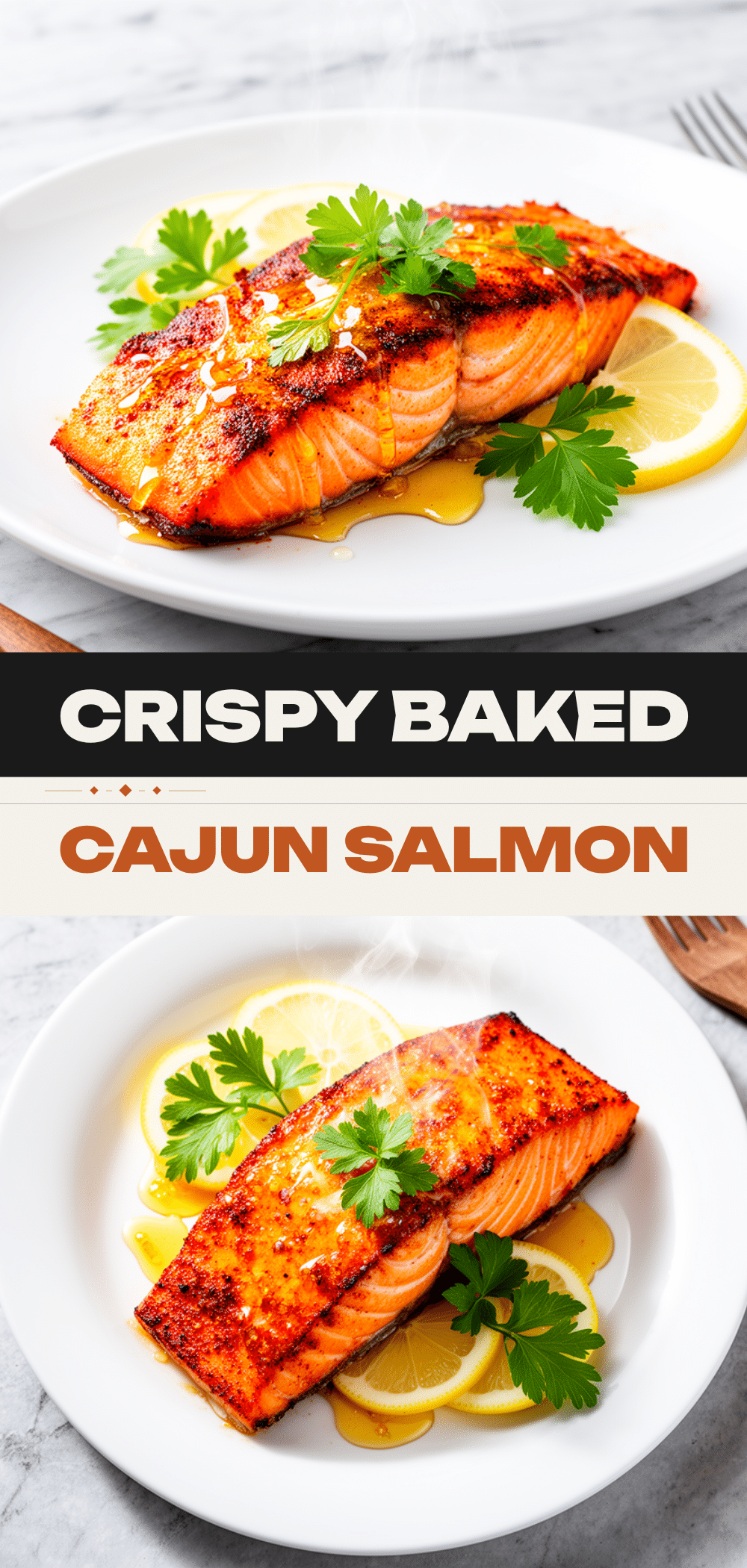
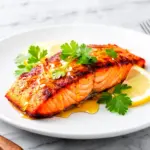
Baked Cajun Honey Butter Salmon
- Total Time: 20 minutes
- Yield: 4 servings 1x
Description
A quick and flavorful weeknight dinner featuring salmon fillets coated in a sweet and spicy Cajun honey butter glaze, baked to perfection in just 20 minutes.
Ingredients
- 1.5 to 2 pounds salmon fillets (skin-on or skinless)
- 1 tablespoon neutral oil (olive or avocado oil)
- 4 tablespoons unsalted butter, softened
- 3 tablespoons honey
- 1 tablespoon Cajun seasoning
- 1 teaspoon garlic powder
- 1 teaspoon onion powder
- 1/2 teaspoon black pepper
- 1 teaspoon lemon juice (optional)
- 1 tablespoon fresh parsley, chopped (for garnish)
- Lemon wedges (for serving)
Instructions
- Preheat oven to 400°F (200°C). Line a large baking sheet with parchment paper or foil and lightly grease.
- Rinse salmon fillets and pat them completely dry with paper towels. Place on the prepared baking sheet.
- In a small bowl, combine softened butter, honey, Cajun seasoning, garlic powder, onion powder, and black pepper. Mix until a smooth paste forms.
- Spread the glaze evenly over the top of each salmon fillet.
- Bake for 12-15 minutes, or until the salmon flakes easily with a fork and reaches an internal temperature of 145°F (63°C).
- Remove from oven and let rest for 2-3 minutes.
- Garnish with fresh chopped parsley and serve with lemon wedges.
Notes
Pat the salmon dry before applying the glaze to ensure it sticks properly. Do not overcook, as salmon can become dry quickly. For a dairy-free version, swap butter for olive oil. For a spicy kick, add cayenne pepper or red pepper flakes to the glaze.
- Prep Time: 5 minutes
- Cook Time: 15 minutes
- Category: Main Course
- Cuisine: American
Nutrition
- Serving Size: 1 fillet
- Calories: 320
- Sugar: 10
- Sodium: 400
- Fat: 18
- Saturated Fat: 7
- Carbohydrates: 12
- Protein: 25
Keywords: salmon, cajun, honey butter, baked fish, quick dinner, weeknight meals, healthy seafood, easy recipe