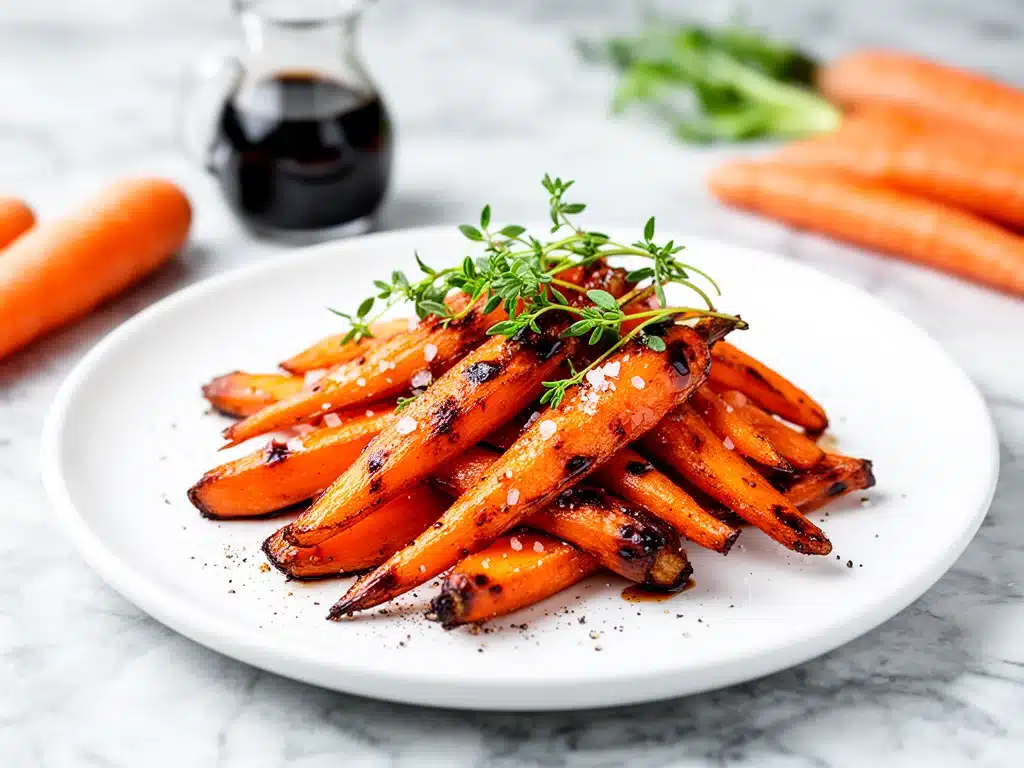
I’ll be honest with you. For years, I treated carrots like the guilty pleasure of my dinner plate. You know the kind. They’re the orange, crunchy thing you eat when you’re trying to be healthy, usually steamed until they’re mushy and flavorless. I used to think they were just a vehicle for butter and salt, and that was it. Then, three years ago, I was hosting a dinner party for some very particular foodie friends, and I decided to finally try that balsamic glaze thing I’d seen on Pinterest. I was skeptical. I thought it would be too sweet, or the balsamic would separate into an oily mess.
But then the timer went off, I pulled the sheet pan out, and the smell hit me. It wasn’t just “vegetables.” It was smoky, sweet, tangy, and deeply savory. The edges of the carrots were caramelized to a dark, sticky amber, and the glaze had turned into this glossy, almost jammy coating. My friends devoured them. Not the main course (which was a solid, but not spectacular, chicken), but the carrots. They asked for the recipe before they even finished their wine.
That was the moment I stopped seeing roasted balsamic glazed carrots as a side dish and started seeing them as a star. I’ve made them dozens of times since then—sometimes as a standalone snack straight out of the oven, sometimes as the perfect companion to a heavy meal. They’re quick, they’re forgiving, and they make even the pickiest eaters ask for seconds. If you’ve been skipping vegetables because you think they’re boring, this recipe is going to change your mind. It’s simple, it’s elegant, and it’s ready in the time it takes to roast a chicken or cook a batch of pasta.
Why You’ll Love This Recipe
There are a lot of reasons to add this to your rotation, but let’s get to the ones that actually matter. This isn’t just another veggie recipe that requires a trip to three different specialty stores or a complicated technique you’ll forget halfway through cooking.
- Stupid Simple Setup — Seriously, if you can peel a carrot, you can make this. I’ve walked my teenage son through it over FaceTime while I was folding laundry. It’s a one-pan wonder. You toss, you roast, you eat. No standing over a stove, no watching for burning, no complicated sauces to whisk.
- Lightning Fast — From peel to plate, this takes about 35-40 minutes. But here’s the thing: only 10 of those minutes are active. You can prep them while your main course is simmering or while you’re setting the table. It fits into a busy weeknight without adding stress.
- Pantry-Friendly Ingredients — You probably have everything you need right now. Olive oil, balsamic vinegar, honey, garlic, thyme. These are staples. I don’t keep “specialty” ingredients for this; I keep the basics stocked so I can make this on a whim when I need to use up carrots before they wilt.
- Crowd-Pleaser — I’ve served these to my vegetarian sister, my gluten-free neighbor, and my dad who claims he “only likes meat.” Even he went back for thirds. The sweetness of the glaze balances the earthiness of the root vegetable in a way that feels indulgent, not diet-food-ish.
- Makes Amazing Leftovers — Okay, be real. Do carrots usually have leftovers? Usually, they disappear. But if they do survive, they taste even better the next day. The glaze thickens and clings tighter. I’ve been known to eat them cold straight from the fridge with a fork, and honestly? It’s delicious.
- Budget-Smart — Carrots are cheap. Like, “dirt cheap” cheap. You can feed 4-6 people for under $5 depending on where you shop. That’s a fraction of the cost of a fancy side dish at a restaurant, and it tastes way better.
This is my go-to when I need a side to just work. No complicated techniques, no weird ingredients, just reliable, delicious food that makes everyone happy.
Ingredients You’ll Need
Here’s the best part: this recipe looks fancy because of the glaze, but the ingredient list is short and sweet. I’m particular about three things here, and I’ll tell you exactly why.
For the Carrots
Carrots (2 pounds / 900g) — Don’t overthink the type. I use standard bunches with the greens removed (you can find them in the pre-packaged bags or the fresh bunches). If they’re long, cut them into 2-inch batons or thick coins. Uniform size helps them cook evenly. I prefer medium-thick carrots because they get a nice tender interior with a slightly crisp edge.
For the Glaze
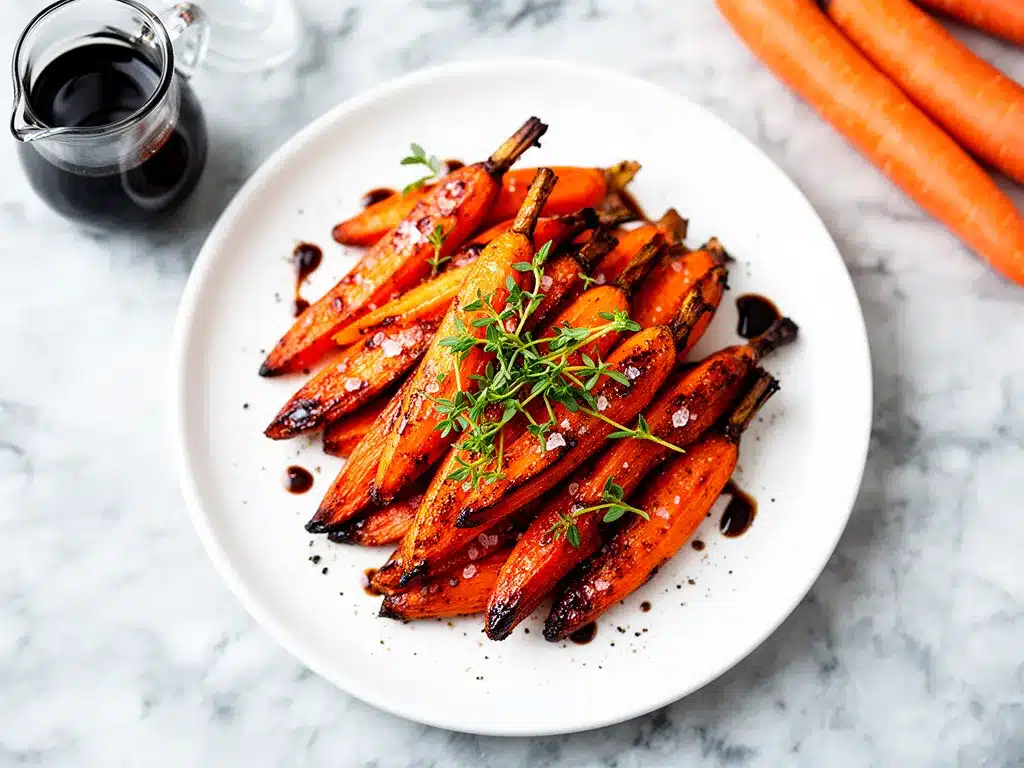
Balsamic Vinegar (3 tablespoons / 45ml) — This is the star. Don’t use the cheap, watery stuff from the bottom shelf. Get a decent quality balsamic. It doesn’t have to be the $20 aged stuff, but a mid-range bottle makes a huge difference in flavor depth. I keep a bottle of good balsamic vinegar in my pantry year-round because it’s versatile in salads and marinades too.
Honey (2 tablespoons / 30ml) — This balances the acidity of the vinegar and helps with caramelization. Maple syrup works in a pinch if you want it vegan, but honey gives a richer, deeper sweetness that I love. Agave nectar is too neutral for my taste.
Extra Virgin Olive Oil (2 tablespoons / 30ml) — Use good quality here. You’re tasting it. I don’t skimp on oil because it helps conduct the heat and carry the flavors. If you’re out, avocado oil works, but the fruity notes of olive oil pair beautifully with balsamic.
Garlic (3 cloves, minced / about 1 tablespoon) — Fresh garlic only. No jarred stuff. The raw bite mellow out during roasting, leaving a sweet, nutty aroma. Minced small so it doesn’t burn in the oven.
Fresh Thyme (1 teaspoon, leaves stripped) — Thyme and carrots are a classic pairing. It adds an earthy, floral note that cuts through the sweetness. If you don’t have fresh, use ½ teaspoon dried thyme. Skip it if you have to, but it elevates the dish.
Salt and Black Pepper (to taste) — Kosher salt is my go-to because it’s easy to sprinkle. Freshly cracked black pepper adds a little heat and visual contrast.
Optional Toppings
Feta or Goat Cheese (2 tablespoons, crumbled) — I love the tangy saltiness of crumbled cheese on top. It contrasts with the sweet glaze. Feta is sharper; goat cheese is creamier. Both work.
Fresh Parsley or Chives (1 tablespoon, chopped) — For a pop of color and fresh flavor. Not strictly necessary, but it makes it look like you tried a little harder.
Common Questions
Can I use baby carrots? — Yes! They’re already peeled and cut. Just toss them whole or halve them if they’re large. They cook a bit faster, so check them 5 minutes early.
Do I need to peel them? — If the carrots are organic or you scrub them really well, the skin is edible and has nutrients. I usually peel them just for texture consistency, but it’s not mandatory.
Equipment Needed
You don’t need fancy equipment for this. Here’s what I actually use.
Large Sheet Pan — I use a standard half-sheet pan (18×13 inches). If you overcrowd the pan, the carrots steam instead of roast. You want space between them for that caramelization. If you have a small oven, you might need two pans.
Large Mixing Bowl — For tossing the carrots in the glaze. Any bowl that’s big enough to hold the carrots and allow them to move around works.
Peeler — A standard Y-peeler is fine. I use it if I’m peeling the carrots; if not, a good vegetable brush is all you need.
Cutting Board and Chef’s Knife — For cutting the carrots into uniform pieces. A sharp knife makes this much faster and safer.
Small Whisk or Fork — To mix the glaze ingredients together. A whisk helps emulsify the oil and vinegar, but a fork works in a pinch.
Pastry Brush (Optional) — If you want to brush on extra glaze halfway through, a brush helps. But tossing them well at the start is usually enough.
How to Make It: Step-by-Step
Alright, let’s make this! I’m walking you through exactly how I do it, including the little tricks I’ve picked up.
Step 1: Prep the Oven and Pan (5 minutes)
Preheat your oven to 400°F (200°C). Line your large sheet pan with parchment paper. This is optional, but it makes cleanup a breeze. If you’re trying to avoid parchment, lightly grease the pan with olive oil. The parchment helps the glaze slide off easily without sticking.
Step 2: Prep the Carrots (5 minutes)
Wash the carrots thoroughly. If you’re peeling them, do it now. Cut them into uniform pieces. I prefer batons (sticks) about ½-inch thick and 2-3 inches long. This shape gives them more surface area to get crispy edges. If using baby carrots, halve them lengthwise if they’re large. Try to keep the sizes similar so they cook evenly.
Step 3: Make the Glaze (2 minutes)
In a large mixing bowl, whisk together the balsamic vinegar, honey, olive oil, minced garlic, thyme leaves, salt, and pepper. The mixture should look emulsified, like a thick dressing. Taste it. It should be sweet and tangy. If it’s too sour, add a teaspoon more honey. If it’s too sweet, a dash more vinegar.
Step 4: Toss the Carrots (2 minutes)
Add the prepared carrots to the bowl with the glaze. Toss them well. You want every single carrot piece coated in that glossy mixture. Use your hands if you need to—it’s faster and ensures no corners are missed. If you have extra glaze left over, save it for basting later.
Step 5: Roast (25-30 minutes)
Spread the carrots in a single layer on the prepared sheet pan. Do not crowd them! If they’re touching or stacked, they’ll steam and get soggy. Give them space. Roast for 15 minutes. Then, pull the pan out and give the carrots a good shake or toss them with a spatula. This ensures even browning. If you saved extra glaze, brush it on now.
Step 6: Finish Roasting (10-15 minutes)
Return the pan to the oven. Roast for another 10-15 minutes, until the carrots are tender when pierced with a fork and the edges are caramelized and slightly charred. Keep an eye on them in the last few minutes because the sugar in the honey can burn quickly. You want deep orange with dark brown spots, not black.
Step 7: Serve
Transfer to a serving dish. Sprinkle with crumbled feta or goat cheese if using, and a little fresh parsley or chives. Serve immediately while hot. The glaze will thicken as it cools, so don’t wait too long.
Visual Cues: You’ll know they’re done when the carrots are soft but not mushy, and the glaze has reduced to a sticky, glossy coating. The kitchen should smell sweet and savory.
Expert Tips & Tricks
Here’s everything I’ve learned from making this dozens of times. These tips will save you from my mistakes.
Don’t Crowd the Pan — This is the #1 mistake. If the pan is packed, the carrots steam. Steam = soggy. Soggy = not roasted. Use two pans if you have to. Space is the secret to caramelization.
Uniform Cuts — If you have some huge carrots and some tiny ones, cut the big ones into smaller pieces. You want them all to finish cooking at the same time. Otherwise, you’ll have mushy small ones and raw big ones.
Balsamic Quality Matters — I’ve used cheap vinegar and expensive vinegar. The cheap stuff tastes like acid water. The mid-range stuff ($5-$10) has complexity and body. It’s worth the few extra dollars.
Watch the Honey — Honey burns at high heat. If your oven runs hot, check the carrots at 20 minutes. If they’re browning too fast, cover them loosely with foil for the last 5 minutes.
Room Temperature Ingredients — If your olive oil and vinegar are cold, the glaze might not emulsify as well. Let them sit out for 10 minutes before mixing. Minor detail, but it helps.
Pro Trick: The Broil Finish — If you want extra char, turn the broiler on for the last 1-2 minutes. Watch it like a hawk! It goes from perfect to burnt in seconds. This gives you that restaurant-style blistered edge.
Variations & Substitutions
Once you’ve nailed the basic version, here’s how you can mix it up. I’ve tried all of these.
Maple Glazed — Swap honey for pure maple syrup. Adds a deeper, woodsy sweetness. Great for fall.
Spicy Kick — Add ½ teaspoon red pepper flakes or a dash of cayenne to the glaze. The heat cuts through the sweetness beautifully.
Herb Swap — No thyme? Use rosemary (finely chopped) or sage. Rosemary is stronger, so use half the amount. Sage adds a savory, autumnal flavor.
Citrus Twist — Add the zest of one orange or lemon to the glaze. Brightens the flavor and adds a fresh aroma.
Nutty Finish — Sprinkle toasted pecans or walnuts on top before serving. Adds crunch and richness.
Dietary Modifications:
- Vegan: Use maple syrup instead of honey. The rest is naturally vegan.
- Gluten-Free: This recipe is naturally gluten-free. Just ensure your balsamic vinegar is certified GF (most are, but check labels).
- Low-Sugar: Reduce honey to 1 tablespoon or use a sugar-free sweetener like erythritol. The flavor will be less sweet, but still good.
Other Root Vegetables: You can use this same method for parsnips, sweet potatoes, or beets. Parsnips are especially delicious with this glaze. Adjust cooking time slightly based on size.
Serving & Storage
How to Serve: I usually serve these straight from the sheet pan at the dinner table—it looks rustic and stays warm. But here are other ways I’ve enjoyed them:
Side Dishes: They pair perfectly with roasted meats like chicken, pork chops, or beef. They also go well with fish. If you’re making a crockpot sausage and peppers dinner, these carrots are the perfect light contrast. They also work well alongside a hearty honey garlic butter chicken.
Toppings Bar: When I have guests, I put out: extra feta, red pepper flakes, fresh parsley, and toasted seeds. Everyone customizes their bowl.
Wine Pairing: Not a wine expert, but my wine-snob friend says a Pinot Noir or a dry Riesling works great with this. The acidity cuts the sweetness.
Storage Instructions:
- Refrigerator: Store in an airtight container for up to 4 days. The carrots will soften slightly, but the flavor remains.
- Reheating: Best method: Reheat in a skillet over medium-low heat with a splash of water or broth to re-emulsify the glaze. Microwave works but can make them rubbery. If microwaving, add a splash of water and cover.
- Freezing: Honestly, this doesn’t freeze well. The texture of roasted carrots becomes mushy when thawed. Make it fresh or store in the fridge for up to 4 days.
Pro tip: If leftovers are drying out, stir in a teaspoon of butter and a splash of balsamic when reheating. Brings back that glossy texture.
Nutrition Information
I’m not a nutritionist, but here’s the breakdown if you’re tracking.
Per Serving (based on 6 servings):
| Nutrient | Amount |
|---|---|
| Calories | 120 |
| Protein | 2g |
| Carbs | 18g |
| Fiber | 3g |
| Sugar | 12g |
| Fat | 5g |
| Sodium | 80mg |
What’s Good: High in fiber and beta-carotene. Low in calories compared to creamy sides. Natural sugars from carrots and honey.
What to Know: Contains natural sugars. If you’re watching sugar intake, reduce the honey. Contains no gluten or dairy (unless you add cheese).
My Take: Look, this is a vegetable with honey and balsamic. It’s slightly higher in sugar than plain steamed carrots, but the flavor is so much better that it’s worth it. When I want to make it lighter, I reduce the honey and add more herbs. But usually? I just eat a reasonable portion and enjoy it.
Final Thoughts
So that’s my roasted balsamic glazed carrots! I’ve probably talked your ear off at this point, but when you make a recipe this often, you have a lot to say about it.
This has saved weeknight dinners more times than I can count. It’s my answer to “what’s for dinner” when I’m tired, don’t want takeout, and still want something that tastes really good. My kids are happy, my husband’s happy, and I’m happy because I’m not stressed about cooking.
Make it yours! Try different herbs, swap in your favorite cheese, adjust the sweetness. The best recipes are the ones you adapt to your family’s tastes. If you make this, drop a comment and let me know what you think! I love hearing how recipes turn out in your kitchen. And if something doesn’t work, tell me that too—I’m here to help troubleshoot.
Happy cooking! And I hope your kitchen smells half as good as mine does right now.
Frequently Asked Questions
Q: Can I use frozen carrots?
A: You can, but they won’t get that nice roasted texture. Frozen carrots are already blanched, so they release a lot of water. If you must use them, thaw them first and pat them very dry before tossing in the glaze. Roast at a higher temp (425°F) to try to crisp them up. But fresh is always better for this recipe.
Q: My glaze burned—what happened?
A: Honey and sugar burn quickly. If your oven runs hot or you left them in too long, the glaze will char. Next time, check them at the 20-minute mark. If they’re browning too fast, cover with foil. Also, make sure you’re not using a dark non-stick pan, which absorbs more heat.
Q: Can I make this ahead for a dinner party?
A: Sort of. You can prep the carrots and mix the glaze up to 2 days ahead. Store them separately in the fridge. When ready to serve, toss and roast. They won’t be quite as crisp as fresh, but it saves you stress during the party. I do this all the time.
Q: Why did my carrots turn out soggy?
A: Usually means the pan was overcrowded, or the carrots weren’t dry before tossing. Moisture steams instead of roasts. Make sure your carrots are dry after washing, and give them space on the pan. Also, don’t skip the flip halfway through.
Q: Can I add other vegetables to the same pan?
A: Yes! Broccoli florets, Brussels sprouts, or cauliflower roast well alongside carrots. Just note that they have different cooking times. Add harder vegetables (like Brussels sprouts) at the same time as carrots, and softer ones (like broccoli) halfway through.
Q: How do I reheat leftovers without it getting dry?
A: Add a splash of water or broth to a skillet, add your leftover carrots, and heat gently over low heat, stirring frequently. The extra liquid brings back the glossy texture. Microwave sort of works but tends to dry them out. If you do microwave, definitely add a splash of water first and heat in short bursts.
Q: Can I double this recipe?
A: Absolutely! Double everything and use two sheet pans. The cooking times stay the same. I do this when I’m meal-prepping or feeding a crowd. Just make sure your oven has room for both pans, and rotate them halfway through for even cooking.
Pin This Recipe!
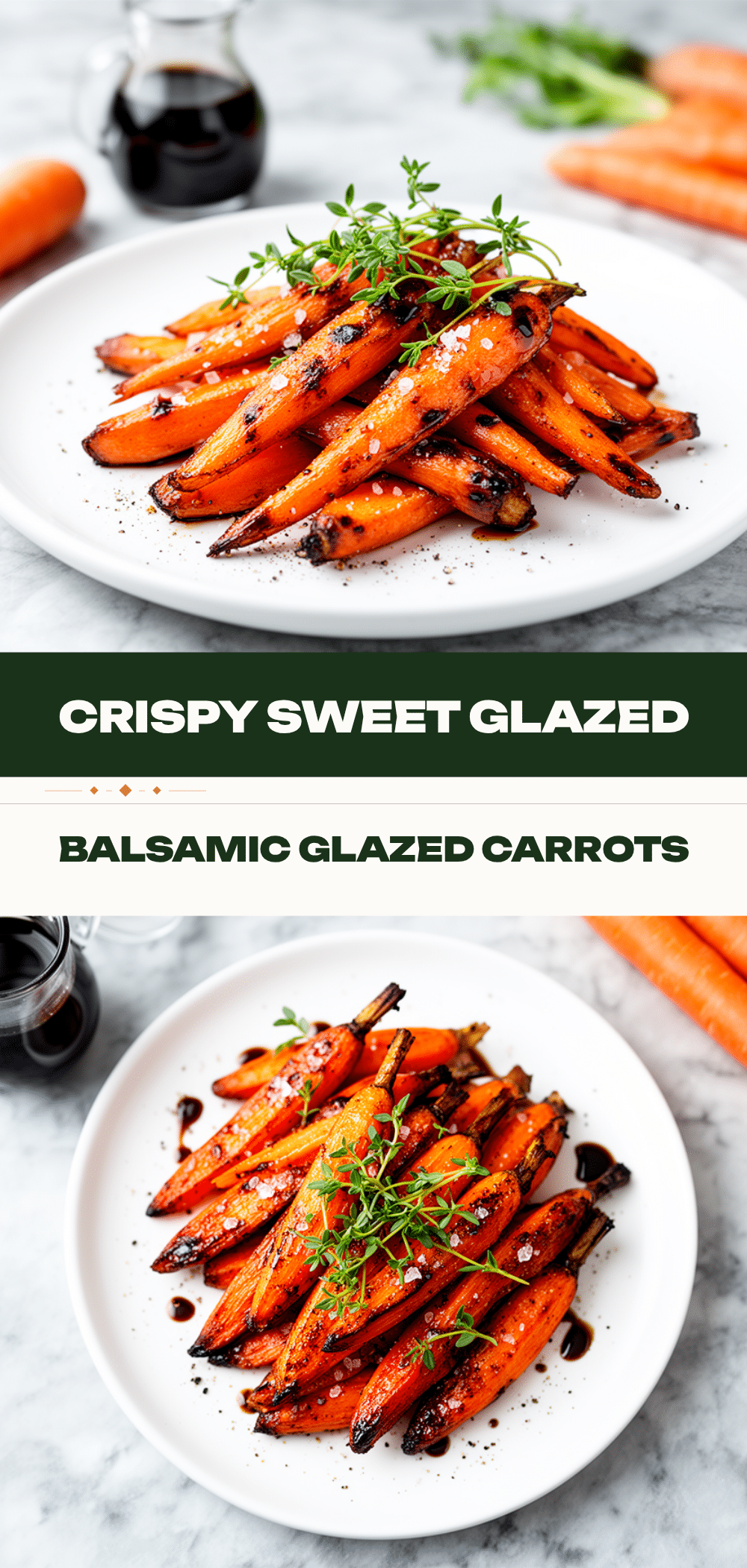
Roasted Balsamic Glazed Carrots: Easy Weeknight Side
- Total Time: 35-40 minutes
- Yield: 4-6 servings 1x
Description
A simple, elegant side dish featuring carrots roasted with a sweet and tangy balsamic-honey glaze. This one-pan recipe is quick, pantry-friendly, and transforms humble vegetables into a caramelized, crowd-pleasing star.
Ingredients
- 2 pounds carrots, peeled and cut into 2-inch batons or thick coins
- 3 tablespoons balsamic vinegar
- 2 tablespoons honey
- 2 tablespoons extra virgin olive oil
- 3 cloves garlic, minced
- 1 teaspoon fresh thyme leaves
- Salt and black pepper to taste
- Optional: 2 tablespoons crumbled feta or goat cheese
- Optional: 1 tablespoon chopped fresh parsley or chives
Instructions
- Preheat oven to 400°F (200°C). Line a large sheet pan with parchment paper or lightly grease with olive oil.
- Wash and peel carrots, then cut into uniform pieces (batons or coins) to ensure even cooking.
- In a large mixing bowl, whisk together balsamic vinegar, honey, olive oil, minced garlic, thyme, salt, and pepper until emulsified.
- Add the prepared carrots to the bowl and toss thoroughly to coat every piece in the glaze.
- Spread carrots in a single layer on the sheet pan, ensuring they are not crowded to allow for caramelization.
- Roast for 15 minutes, then remove from oven, toss or shake the carrots, and optionally brush with extra glaze.
- Return to oven and roast for another 10-15 minutes until tender and edges are caramelized and slightly charred.
- Transfer to a serving dish and top with optional cheese and herbs. Serve immediately.
Notes
Do not crowd the pan, or the carrots will steam instead of roast. Use mid-range balsamic vinegar for better flavor. Honey burns easily, so watch closely in the last few minutes. For extra char, broil for the last 1-2 minutes. Leftovers can be stored in the fridge for up to 4 days and reheated in a skillet with a splash of water.
- Prep Time: 10 minutes
- Cook Time: 25-30 minutes
- Category: Side Dish
- Cuisine: American
Nutrition
- Serving Size: Approximately 1 cup
- Calories: 120
- Sugar: 12
- Sodium: 80
- Fat: 5
- Saturated Fat: 1
- Carbohydrates: 18
- Fiber: 3
- Protein: 2
Keywords: roasted carrots, balsamic glazed carrots, side dish, weeknight dinner, vegetarian, gluten-free, easy recipe, healthy vegetables