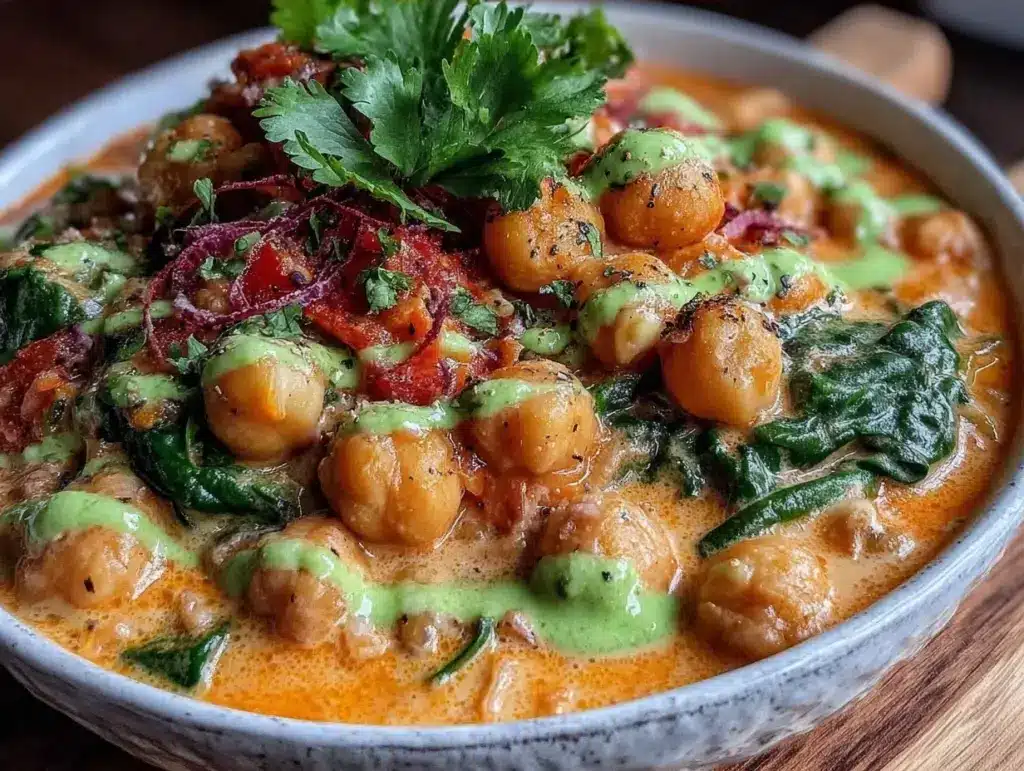
Last Tuesday, I was staring into my fridge with that specific kind of desperation that only hits around 6:30 PM on a worknight. I had a can of chickpeas that had been sitting in the back since the last time I made hummus (which was, honestly, three weeks ago), a bag of spinach that was starting to look a little sad, and a can of coconut milk that I’d bought on a whim for a Thai curry I never got around to making. I didn’t have time to go to the store, and I definitely didn’t have the energy to figure out something complicated. So, I threw it all in a pot.
I expected a mediocre weeknight stew. Maybe a little bland. Maybe something I’d eat quickly just to get it over with. But when I took that first bite, I stopped mid-chew. The coconut milk had melted into the chickpeas, creating a sauce that was somehow rich and creamy without a single drop of dairy. The spinach wilted down into vibrant green pockets of flavor, and the spices—turmeric, cumin, and a hint of garam masala—warmed up the whole kitchen. It smelled like a trip to a bustling Indian street market, but it took me 20 minutes to make.
That accidental dinner turned into a ritual. I’ve made this vegan creamy coconut chickpea curry at least a dozen times since that night. It’s become the answer to my “what’s for dinner?” panic, and honestly, it’s the one dish that makes my non-vegan friends stop and ask, “Wait, this has no meat in it?” every single time. It’s hearty, it’s comforting, and it’s ridiculously easy. If you’re tired of the same old pasta rotation or feeling guilty about ordering takeout, this is your sign to branch out. Your taste buds will thank you for branching out into this world of bold, creamy, plant-based flavor.
Why You’ll Love This Recipe
There are a million reasons to keep this vegan creamy coconut chickpea curry in your weekly rotation, but let’s be real—you’re here because you want dinner that works. Here’s why this one actually sticks:
- Five Ingredients, Zero Stress — Seriously, look at the list. You probably have most of this already. If you can boil water and open a can, you can make this. I’ve made it while on the phone with my mom and still managed not to burn the house down.
- Creamy Without the Cream — The secret is full-fat coconut milk. It gives you that luxurious, restaurant-quality texture that you usually get from heavy cream, but it’s dairy-free and lighter on the stomach. No grainy sauce, no weird aftertaste.
- Ready in 20 Minutes — This is the ultimate weeknight savior. From opening the can to scraping the bowl clean, it’s less time than it takes to drive to a fast-food drive-thru. I make this on nights when I’m exhausted and just want to sit on the couch.
- Meal Prep Magic — This tastes even better the next day. The flavors meld together overnight, and it reheats beautifully. I make a big batch on Sunday and eat it for lunch all week. It’s cheaper than buying salads and way more satisfying.
- Family-Approved — I was skeptical about convincing my picky-eater niece to try “bean water,” but she devoured this. The sweetness from the coconut balances the savory spices perfectly. It’s approachable, not intimidating.
This is my go-to when I need dinner to just work. No fancy techniques, no hard-to-find ingredients, just reliable, delicious food that makes everyone happy. It’s proof that eating well doesn’t have to be complicated.
Ingredients You’ll Need
Here’s the best part: this vegan creamy coconut chickpea curry relies on pantry staples. You don’t need to run to the specialty store for this one. I’m particular about a few things, but mostly, it’s about quality over quantity.
For the Curry Base
Coconut milk (1 can, 13.5 oz / 400ml) — This is the heart of the creaminess. Make sure you get the full-fat version in the can, not the carton beverage. The carton stuff is too watery and won’t give you that rich sauce. Shake the can before opening—it’s all cream up top.
Chickpeas (2 cans, 15 oz each / 425g each) — Rinse and drain them well. I use two cans because this recipe feeds 4-6 people generously. Garbanzo beans hold their shape well and soak up the sauce like a sponge. Canned is fine; I’ve never bothered with soaking dry ones for this quick version.
Fresh spinach (4 cups / about 120g) — I use a big bag of fresh baby spinach. It wilts down to nothing in seconds and adds a pop of color and iron. Frozen spinach works too, but you have to thaw and squeeze it first, which is more work. Fresh is just easier.
Onion (1 medium yellow onion, diced / about 150g) — Yellow onions are sweet and savory—the perfect base. If you don’t have yellow, white onions work, but avoid red onions; they get too sharp and weirdly colored when cooked in curry.
Garlic (4 cloves, minced / about 2 tablespoons) — Fresh garlic is non-negotiable here. Jarred garlic has a metallic taste that clashes with the coconut. Mincing four cloves takes two minutes. Don’t skip it.
For the Flavor
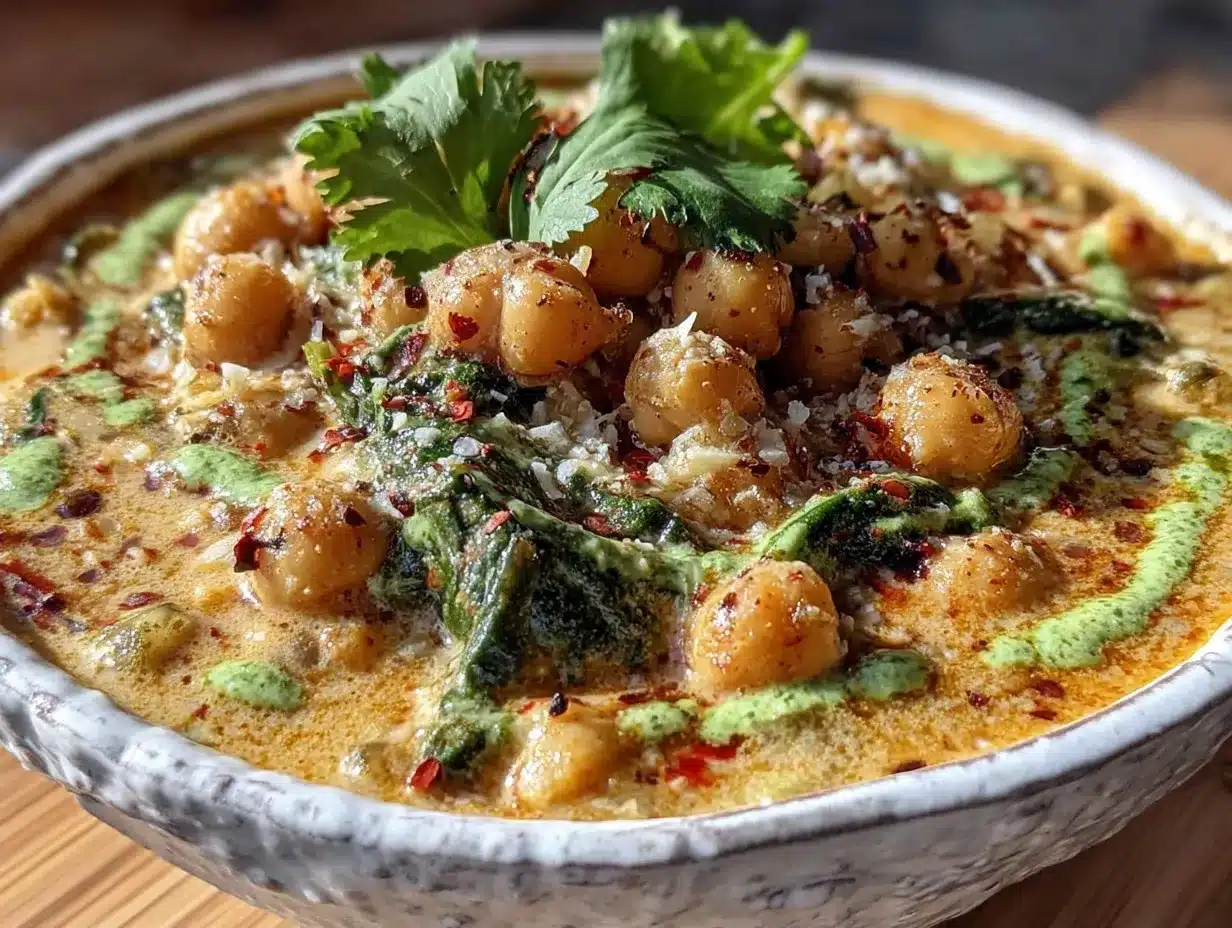
Garam masala (2 teaspoons) — This is the spice blend that makes it taste like curry. It usually has cinnamon, cardamom, cloves, and cumin. If you don’t have garam masala, you can use a mix of cumin, coriander, and a pinch of cinnamon, but garam masala is the game-changer.
Turmeric (1 teaspoon) — Gives it that beautiful golden color and earthy flavor. It’s anti-inflammatory too, so you can feel slightly virtuous about eating it.
Cumin (1 teaspoon, ground) — Adds warmth and depth. It’s a staple in so many curries for a reason.
Salt (1 teaspoon, or to taste) — Coconut milk is naturally slightly sweet, so you need enough salt to balance it out. Taste as you go.
Olive oil or coconut oil (1 tablespoon) — I use olive oil because I always have it, but coconut oil adds a nice tropical note. Either works fine.
Lime juice (1 tablespoon, fresh squeezed) — This is the secret weapon. The acidity cuts through the richness of the coconut milk and wakes up all the spices. Don’t skip the lime.
Optional Add-ins
Red curry paste (1 teaspoon) — If you like heat, stir this in with the spices. It adds a nice kick without being overwhelming.
Coconut cream (2 tablespoons) — If you want it extra rich, stir this in at the end. I do this when I’m treating myself.
Fresh cilantro (¼ cup, chopped) — Great for garnish, but I actually eat it in the curry. It adds a fresh, herbal contrast.
Equipment Needed
You don’t need fancy equipment for this. Here’s what I actually use:
Large skillet or Dutch oven — I use a 12-inch skillet. It needs to be big enough to hold all the chickpeas and spinach without overcrowding. A Dutch oven works too if you want to serve it straight from the pot.
Wooden spoon — For stirring. Silicone works too. Just avoid metal if you’re using non-stick.
Can opener — Honestly, the most important tool. Make sure it’s sharp.
Knife and cutting board — For the onion and garlic. A sharp knife makes dicing the onion way less tear-inducing.
Measuring spoons — For the spices. You don’t need to be exact, but having them handy keeps things moving.
Colander — For rinsing the chickpeas. Or just drain them in the sink with the lid on the can—I do this when I’m being lazy.
How to Make It: Step-by-Step
Alright, let’s make this! I’m walking you through exactly how I do it, including the little tricks I’ve picked up.
Step 1: Prep Your Ingredients (5 minutes)
Dice the onion and mince the garlic. Measure out your spices so they’re right there when you need them. Rinse the chickpeas in a colander and give them a good shake to dry off. I know it seems like a lot of prep, but it makes the actual cooking way less stressful. Things move fast once you start heating the oil.
Step 2: Sauté the Aromatics (3-4 minutes)
Heat the olive oil in your large skillet over medium heat. Add the diced onion and cook for 3-4 minutes until it’s soft and translucent. Don’t rush this—if the onion is still crunchy, the curry will taste raw. Add the minced garlic and cook for 1 more minute, stirring constantly. The kitchen should start smelling amazing. If the garlic starts to brown, lower the heat immediately—browned garlic tastes bitter.
Step 3: Bloom the Spices (1 minute)
Add the garam masala, turmeric, and cumin to the onions and garlic. Stir well and cook for just 1 minute. This step is crucial—it “blooms” the spices, releasing their essential oils and making the flavor way more intense. You’ll notice the smell getting stronger and richer. If you skip this, the spices will taste dusty and flat.
Step 4: Add the Chickpeas and Coconut Milk (5 minutes)
Pour in the rinsed chickpeas and the can of coconut milk. Stir everything together until the chickpeas are coated in the spiced coconut mixture. Bring it to a gentle simmer. Let it cook for 5 minutes, stirring occasionally. The sauce will start to thicken slightly, and the chickpeas will absorb some of the flavor. This is where you taste and adjust—add more salt if it needs it, or a pinch more turmeric if you want it yellower.
Step 5: Wilt the Spinach (2 minutes)
Reduce the heat to low. Add the fresh spinach in handfuls. It will look like a lot, but it wilts down incredibly fast. Stir it in until it’s completely gone and the sauce is bright green. This takes about 2 minutes. Don’t overcook it, or it’ll get slimy. You want it tender but vibrant.
Step 6: Finish with Lime (1 minute)
Remove the skillet from the heat. Stir in the fresh lime juice. This is the moment where the dish transforms—the acidity brightens everything up and balances the richness. Taste one more time. Add salt if needed. The curry should taste creamy, savory, slightly sweet, and tangy all at once.
Step 7: Serve
Serve immediately over fluffy basmati rice or with warm naan bread. I like to garnish with a sprinkle of fresh cilantro and a wedge of lime on the side. The total time is about 20 minutes, and it’s ready to eat.
Expert Tips & Tricks
Here’s everything I’ve learned from making this dozens of times. These tips will save you from my mistakes.
Don’t Skimp on Salt
Coconut milk and chickpeas are pretty bland on their own. You need enough salt to make the flavors pop. I usually start with a teaspoon, but taste as you go. It’s better to add more than take it away.
Bloom Your Spices
I can’t stress this enough—cooking the spices in the oil for a minute before adding the liquid makes a huge difference. It unlocks the deep, complex flavors that make curry taste like curry. Raw spices just taste… raw.
Use Full-Fat Coconut Milk
Light coconut milk or carton coconut beverage will give you a watery, thin sauce. You want the thick, rich cream from the can. If you accidentally buy light, you can add a tablespoon of coconut cream or even a splash of oat milk to thicken it up, but full-fat is best.
Rinse Those Chickpeas
Rinsing removes the starchy liquid from the can, which can make the sauce slimy. It also reduces the sodium. Give them a good shake in the colander to dry them off before adding them to the pan—it helps them absorb the sauce better.
Adjust the Heat
This recipe is mild by default. If you like spice, add a pinch of red pepper flakes or a teaspoon of red curry paste in Step 3. Start small—you can always add more, but you can’t take it away.
Variations & Substitutions
Once you’ve nailed the basic version, here’s how you can mix it up. I’ve tried all of these.
Protein Swap
Chickpeas are classic, but you can use black beans or lentils. Black beans give it a darker, earthier flavor. Lentils cook faster, so reduce the simmer time to 3 minutes. I’ve also used cubed tofu—press it first and pan-fry it before adding the coconut milk for extra texture.
Veggie-Loaded
Add diced sweet potato or butternut squash with the chickpeas. You’ll need to simmer it for an extra 10-15 minutes until the squash is tender. I love this version in the fall. You can also add frozen peas in the last 2 minutes for a pop of sweetness.
Spicy Version
Add 1-2 teaspoons of red curry paste or a diced fresh jalapeño in Step 2. It adds a nice kick that balances the coconut sweetness. My friend who loves heat always asks for this version.
Gluten-Free
This recipe is naturally gluten-free! Just make sure your garam masala doesn’t have any wheat-based fillers (rare, but check the label). Serve it with rice or gluten-free naan.
Lower-Fat Version
Use light coconut milk and reduce the oil to 1 teaspoon. It’s not as rich, but it’s still tasty. I make this when I’m trying to be “healthy,” though I’ll admit the full-fat version is just better.
Serving & Storage
How to Serve:
I usually serve this straight from the skillet at the dinner table—it looks rustic and stays warm. But here are other ways I’ve enjoyed it:
- Basmati Rice — The classic choice. Fluffy, fragrant rice soaks up the sauce perfectly.
- Naan or Pita Bread — Great for scooping. Warm it up in the oven for 2 minutes first.
- Quinoa — For a higher-protein grain option. It has a nutty flavor that pairs well with the curry.
- Sweet Potato Mash — For a heartier, comforting base. The sweetness complements the spices.
Toppings Bar:
When I have guests, I put out: fresh cilantro, lime wedges, red pepper flakes, and crispy fried onions. Everyone customizes their bowl.
Storage Instructions:
Store leftovers in an airtight container in the fridge for up to 4 days. The sauce will thicken as it cools—totally normal. To reheat, add a splash of water or coconut milk to loosen it up, then heat gently on the stove over low heat. Stir frequently until warmed through. It also freezes well for up to 3 months, though the texture might change slightly. I usually freeze it in portions for quick lunches.
Nutrition Information
I’m not a nutritionist, but here’s the breakdown if you’re tracking.
Per Serving (based on 6 servings):
- Calories: 320
- Protein: 12g
- Carbs: 45g
- Fiber: 10g
- Sugar: 6g
- Fat: 12g
- Sodium: 380mg
What’s Good:
High in fiber from the chickpeas and spinach. Good source of plant-based protein. Rich in iron and vitamins from the spinach. The healthy fats from coconut milk keep you satiated.
What to Know:
Higher in calories from the coconut milk, but it’s healthy fat. Contains no dairy or gluten. Moderate sodium (use low-sodium chickpeas to reduce). This is comfort food, but it’s also nutritious.
Final Thoughts
So that’s my go-to vegan creamy coconut chickpea curry! I’ve probably talked your ear off at this point, but when you make a recipe this often, you have a lot to say about it. This has saved weeknight dinners more times than I can count. It’s my answer to “what’s for dinner?” when I’m tired, don’t want takeout, and still want something that tastes really good. My family is happy, and I’m happy because I’m not stressed about cooking.
Make it yours! Try different add-ins, swap in your favorite vegetables, adjust the spice level. The best recipes are the ones you adapt to your family’s tastes. If you make this, drop a comment and let me know what you think! I love hearing how recipes turn out in your kitchen. And if something doesn’t work, tell me that too—I’m here to help troubleshoot.
Happy cooking! And I hope your kitchen smells half as good as mine does right now.
Frequently Asked Questions
Can I use light coconut milk?
You can, but the sauce will be much thinner and less rich. If you want to try it, use light coconut milk and add a tablespoon of cornstarch mixed with water to thicken it. Whisk it in at the end. I’ve done this when I ran out of full-fat—it works okay, just not as good as the real thing. Full-fat is the way to go for that creamy texture.
Why did my sauce turn out watery?
Usually means you didn’t let it simmer long enough, or you used light coconut milk. Let the mixture simmer for a full 5 minutes after adding the chickpeas. If it’s already watery, turn up the heat and let it reduce for another few minutes. The starch from the chickpeas will help thicken it, but it takes time.
Can I make this ahead for a dinner party?
Absolutely. Make the curry up to 2 days ahead and store in the fridge. Reheat gently on the stove, adding a splash of water or coconut milk to loosen it up. It actually tastes better the next day because the flavors have had time to meld. I do this all the time for guests.
Can I use frozen spinach?
Yes, but you have to thaw it first and squeeze out all the excess water. If you don’t squeeze it, your curry will be very watery. I prefer fresh spinach because it’s easier and adds a brighter flavor, but frozen works in a pinch.
How do I reheat leftovers without it getting dry?
Add a splash of water, milk, or coconut milk to a skillet, add your leftover curry, and heat gently over low heat, stirring frequently. The extra liquid brings back the creamy texture. Microwave sort of works but tends to dry it out. If you do microwave, definitely add a splash of liquid first and heat in short bursts, stirring between.
Can I double this recipe?
Yes! Double everything and use your biggest pot. The cooking times stay the same. I do this when I’m meal-prepping or feeding a crowd. Just make sure your skillet is big enough for the sauce—you might need to use a Dutch oven or two pans.
For more easy weeknight dinners that are full of flavor, check out this mediterranean chickpea bowl for a different take on plant-based meals. If you’re looking for something with a bit more heat, try this mediterranean shrimp pasta (though it’s not vegan, the technique is similar). And if you want to explore more seasonal flavors, this fall harvest roasted butternut squash soup is a great companion for cooler nights.
Pin This Recipe!
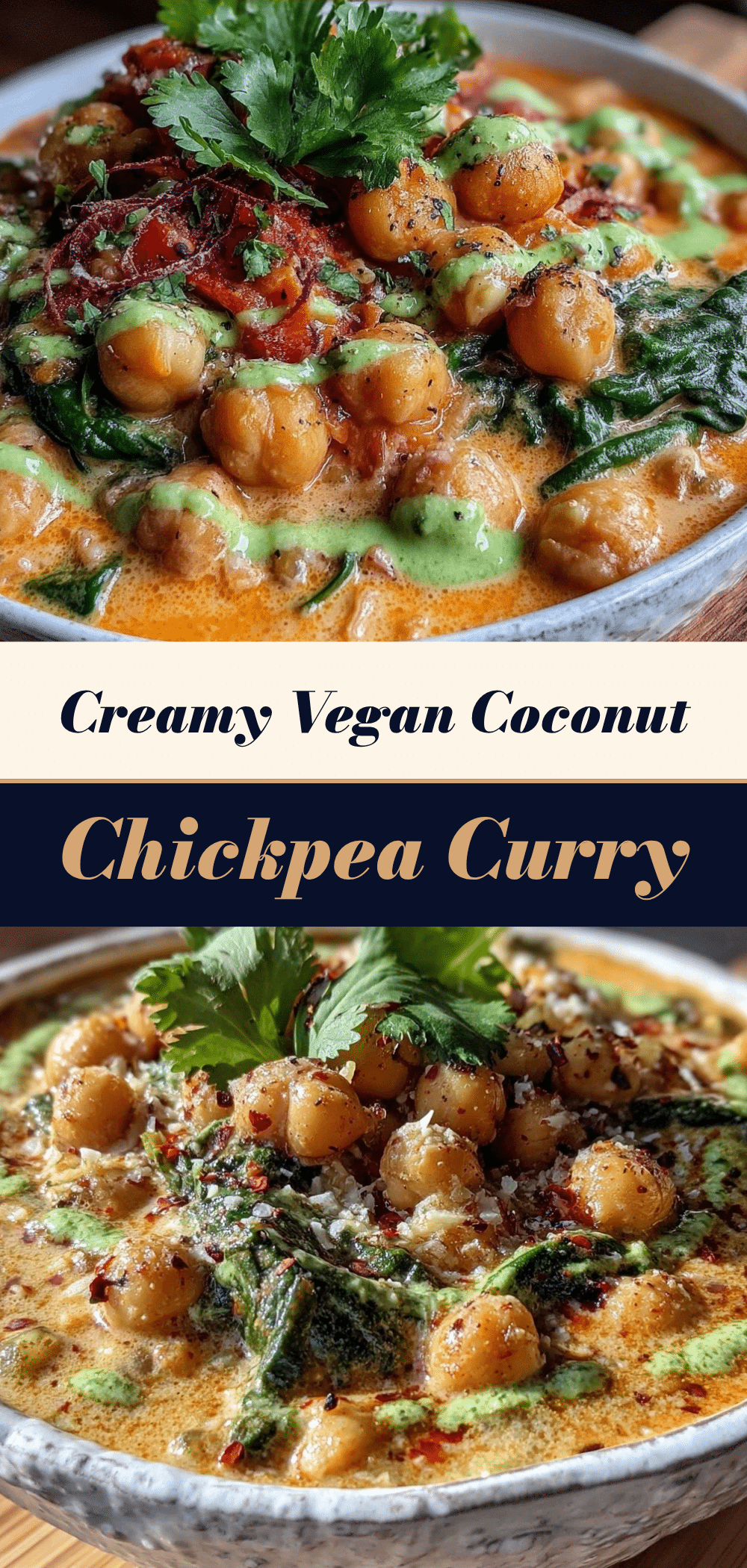

Vegan Creamy Coconut Chickpea Curry
- Total Time: 20 minutes
- Yield: 6 servings 1x
Description
A rich, creamy, and dairy-free weeknight curry made with just a few pantry staples. This plant-based dish combines chickpeas, spinach, and aromatic spices in a coconut milk sauce, ready in 20 minutes.
Ingredients
- 1 tablespoon olive oil or coconut oil
- 1 medium yellow onion, diced
- 4 cloves garlic, minced
- 2 teaspoons garam masala
- 1 teaspoon turmeric
- 1 teaspoon ground cumin
- 2 cans (15 oz each) chickpeas, rinsed and drained
- 1 can (13.5 oz / 400ml) full-fat coconut milk
- 4 cups fresh baby spinach
- 1 tablespoon fresh lime juice
- 1 teaspoon salt, or to taste
- Optional: 1 teaspoon red curry paste, 2 tablespoons coconut cream, ¼ cup fresh cilantro
Instructions
- Dice the onion and mince the garlic. Measure out spices and rinse chickpeas.
- Heat oil in a large skillet over medium heat. Add onion and cook for 3-4 minutes until soft and translucent.
- Add garlic and cook for 1 minute, stirring constantly.
- Add garam masala, turmeric, and cumin. Stir and cook for 1 minute to bloom the spices.
- Pour in chickpeas and coconut milk. Stir to coat and bring to a gentle simmer.
- Simmer for 5 minutes, stirring occasionally, until sauce thickens slightly.
- Reduce heat to low. Add spinach in handfuls and stir until wilted (about 2 minutes).
- Remove from heat. Stir in lime juice and adjust salt to taste.
- Serve immediately over basmati rice or with naan bread.
Notes
Use full-fat coconut milk for the best creamy texture. Rinse chickpeas well to remove starchy liquid. Bloom spices in oil before adding liquid for deeper flavor. The dish tastes even better the next day as flavors meld. Store leftovers in an airtight container in the fridge for up to 4 days or freeze for up to 3 months.
- Prep Time: 5 minutes
- Cook Time: 15 minutes
- Category: Main Course
- Cuisine: Indian
Nutrition
- Serving Size: 1 bowl with rice or
- Calories: 320
- Sugar: 6
- Sodium: 380
- Fat: 12
- Carbohydrates: 45
- Fiber: 10
- Protein: 12
Keywords: vegan curry, chickpea curry, coconut curry, quick dinner, plant-based, gluten-free, weeknight meal, creamy curry